 Free shipping on orders over £29,85
  Shipping Tracking!


 Google
 Facebook
← Back to Why do river tables sometimes warp?
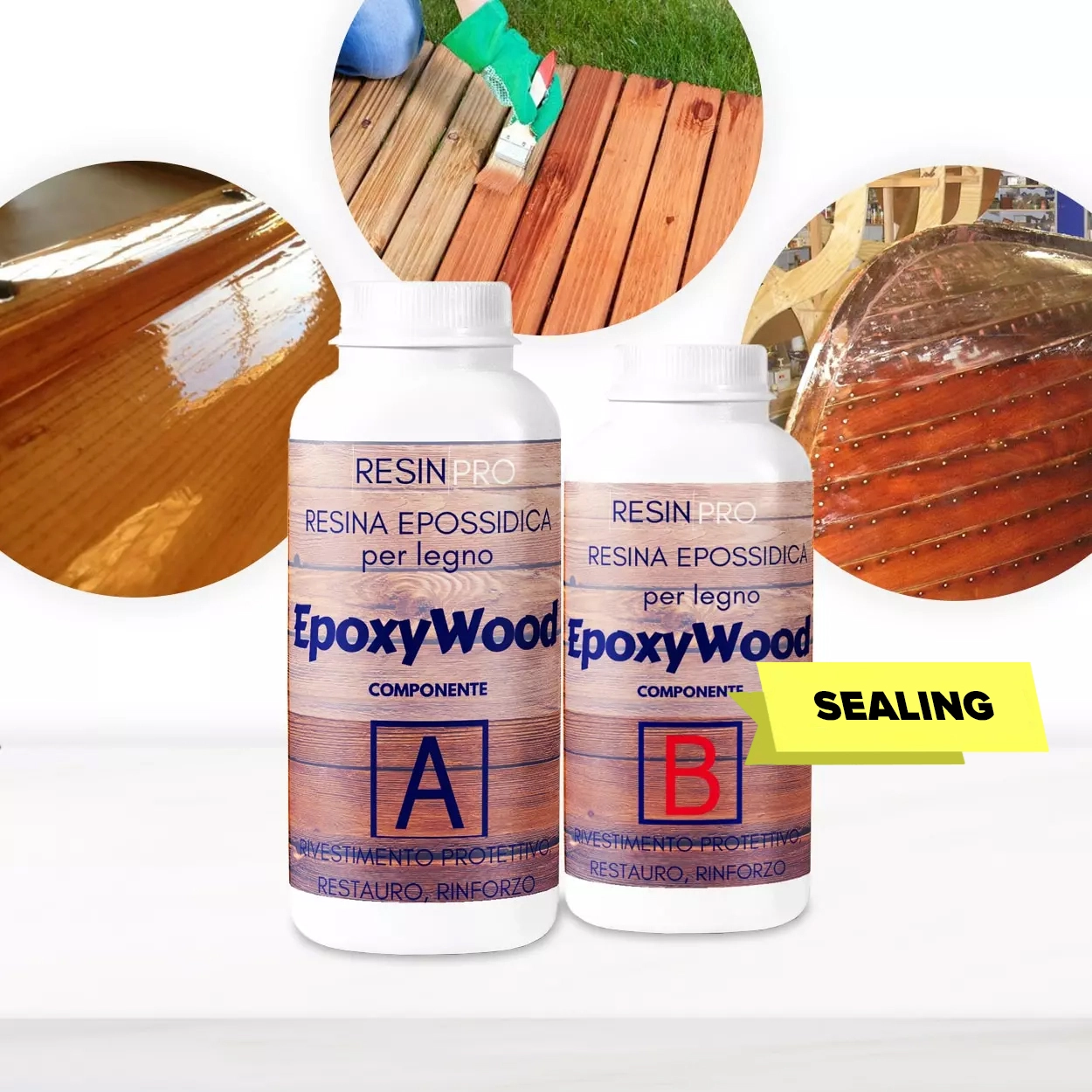
If you’re looking to restore wood deeply affected by age, weather or damage, selecting the right epoxy resin is essential to ensure long-lasting protection and structural reinforcement. There are specialist products tailored for this purpose that can breathe fresh life into wooden furniture and river tables alike.
Why Deep Penetration Matters in Wood Restoration
When restoring wood, it’s crucial to use an epoxy with low viscosity that permeates deep into pores and fibres rather than simply coating the surface. This technique stabilises even significantly deteriorated timber, reinforcing it from within and creating a resilient, moisture-resistant barrier that protects against future damage.
EpoxyWood is a prime example, formulated specifically to sink into wood and consolidate weak areas while providing a subtle, warm finish that accentuates the natural grain.
Practical Application Tips for Deep Wood Restoration
- Preparation: Ensure the wood surface is completely dry and thoroughly sanded for best results.
- Application: Apply the epoxy generously to allow maximum penetration, paying special attention to cracks and end grain.
- Finishing: Once cured, sand smooth and apply a second coat as needed for superior waterproofing and durability.
Deep penetration not only helps bind and restore, but when paired with careful surface prep, it can dramatically extend the lifespan of wooden pieces.
When Deep Restoration Epoxy Is Most Useful
Opt for a deep restoration epoxy when tackling wood exposed to changing humidity, furniture with rot, or river tables that may face environmental stress. These situations benefit from an internal strengthening and protection only a deep-penetrating resin can deliver.
Related products
Related guides
Restoring timber with the right epoxy ensures your wooden surfaces remain beautiful and resilient. For broader issues like warping in river tables and methods to prevent them, see our main guide on why river tables sometimes warp.