 Free shipping on orders over £29,85
  Shipping Tracking!


 Google
 Facebook
← Back to What medications are taken for those allergic to epoxy resin?
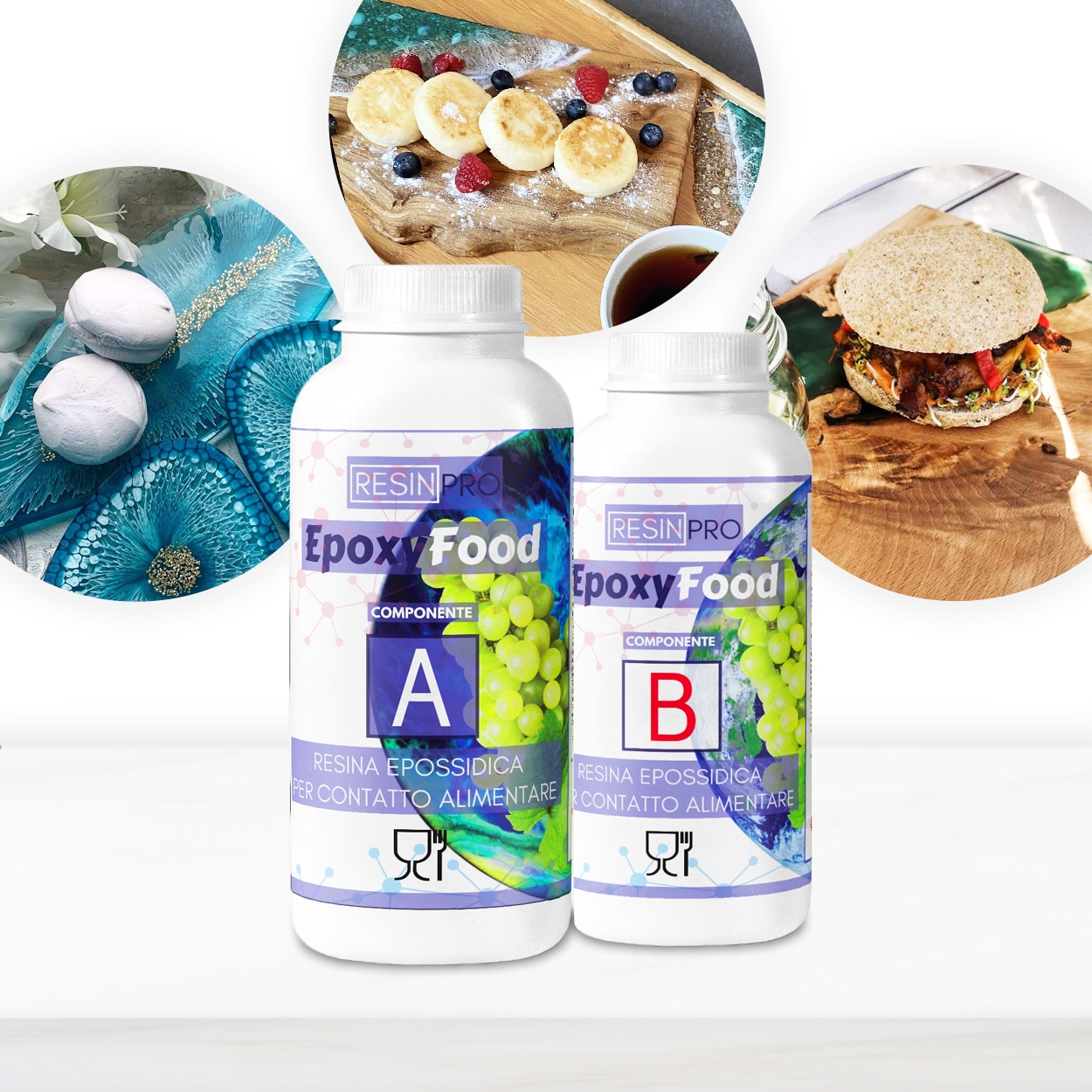
When working on projects that require safety for either food contact or medical environments, it’s important to understand the difference between food-safe epoxy and medical-grade resin. Here, we clarify the main distinctions and offer practical guidance for choosing the right product for your needs.
What Does ‘Food Safe’ Mean for Epoxy?
Food-safe epoxy is specifically formulated and tested according to European standards (such as EU Regulation No. 10/2011) for materials intended to contact food. These resins are verified for use on surfaces like plates, chopping boards, and cups, ensuring that, when mixed and cured properly, they don’t transfer harmful substances to food. Products such as EpoxyFood are independently certified for food contact, making them suitable for items like cold snack trays or serving dishes.
Understanding Medical Grade Epoxy
Medical-grade epoxies are formulated to meet the strict standards required for medical equipment and healthcare environments. These resins are tailored for highly specialised uses, including biocompatibility and sterilisation needs in professional healthcare settings. Typically, medical-grade products are not readily available for crafters, hobbyists, or everyday DIY projects. Their supply and use are generally limited to regulated medical manufacturing or installation.
Practical Buying Advice
If your project involves surfaces that will handle food, select a food-safe certified epoxy and always follow the mixing and curing instructions. For artistic or household pieces where food contact is not required, a general-purpose or odourless resin like Icrystal may be preferable for its versatility and indoor suitability. Medical-grade epoxies are unnecessary—and unattainable—for most craft and domestic projects.
When This Matters
- Choose food-safe epoxy for items coming into contact with food or drink.
- Do not substitute medical-grade for crafting; it is not required or accessible for non-medical purposes.
Related products
Related guides
Knowing when to use food-safe versus standard or specialised epoxies helps ensure both safety and the right performance for your project. For more on working safely with resin, explore our main FAQ at epoxy allergies and safety.