 Free shipping on orders over £29,85
  Shipping Tracking!


 Google
 Facebook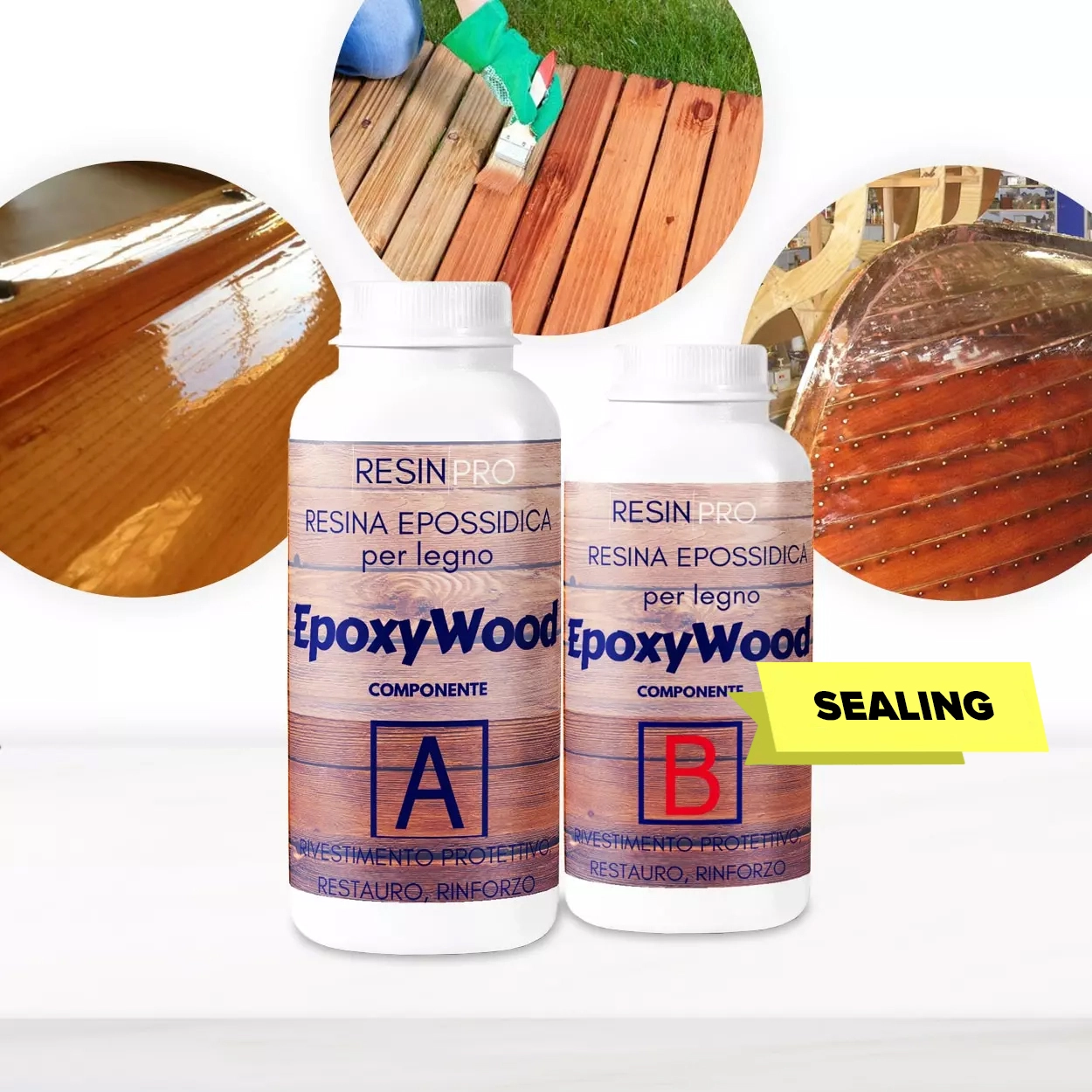
Restoring timber with epoxy resin has become a preferred solution for reviving old, damaged, or weathered wood. Whether repairing furniture, boat hulls, or external features, using the right resin ensures strengthened and waterproof results with a long-lasting finish.
How Epoxy Resin Restores Wood
Epoxy resin stands out for its ability to penetrate deep into timber, filling pores and gaps that result from age, weathering, or insect damage. Applying a specialised product like EpoxyWood on a perfectly dry and sanded surface allows the resin to reinforce wood fibres from within, making the structure more robust and resistant to future wear. The treated surface becomes fully waterproof, providing a protective barrier against moisture, rot, and UV exposure.
Practical Guidance: Application Tips
- Prepare the surface by sanding and ensuring it is thoroughly dry; moisture can affect adhesion and final strength.
- Use a brush or roller to apply the ultra-low viscosity epoxy, promoting deep penetration.
- Allow ample curing time according to manufacturer instructions to achieve optimal reinforcement and waterproofing.
- Epoxy resins like EpoxyWood also work well for enhancing natural grain, offering a warm straw-yellow finish.
When Does Epoxy Wood Restoration Matter Most?
Wood restoration with epoxy resin is especially valuable when dealing with external structures, marine woodwork, or timber exposed to regular moisture. It’s a practical method not only for repair but also for long-term protection and enhancement of both indoor and outdoor wooden items.
Related products
Related guides
Using epoxy resins for wood restoration demonstrates just one of the many versatile uses of this remarkable material. For more insights into resin types and their practical applications, return to our in-depth overview on what resins are and how they’re used.