 Free shipping on orders over £29,85
  Shipping Tracking!


 Google
 Facebook
← Back to Must wooden boards be treated before embedding them in resin?
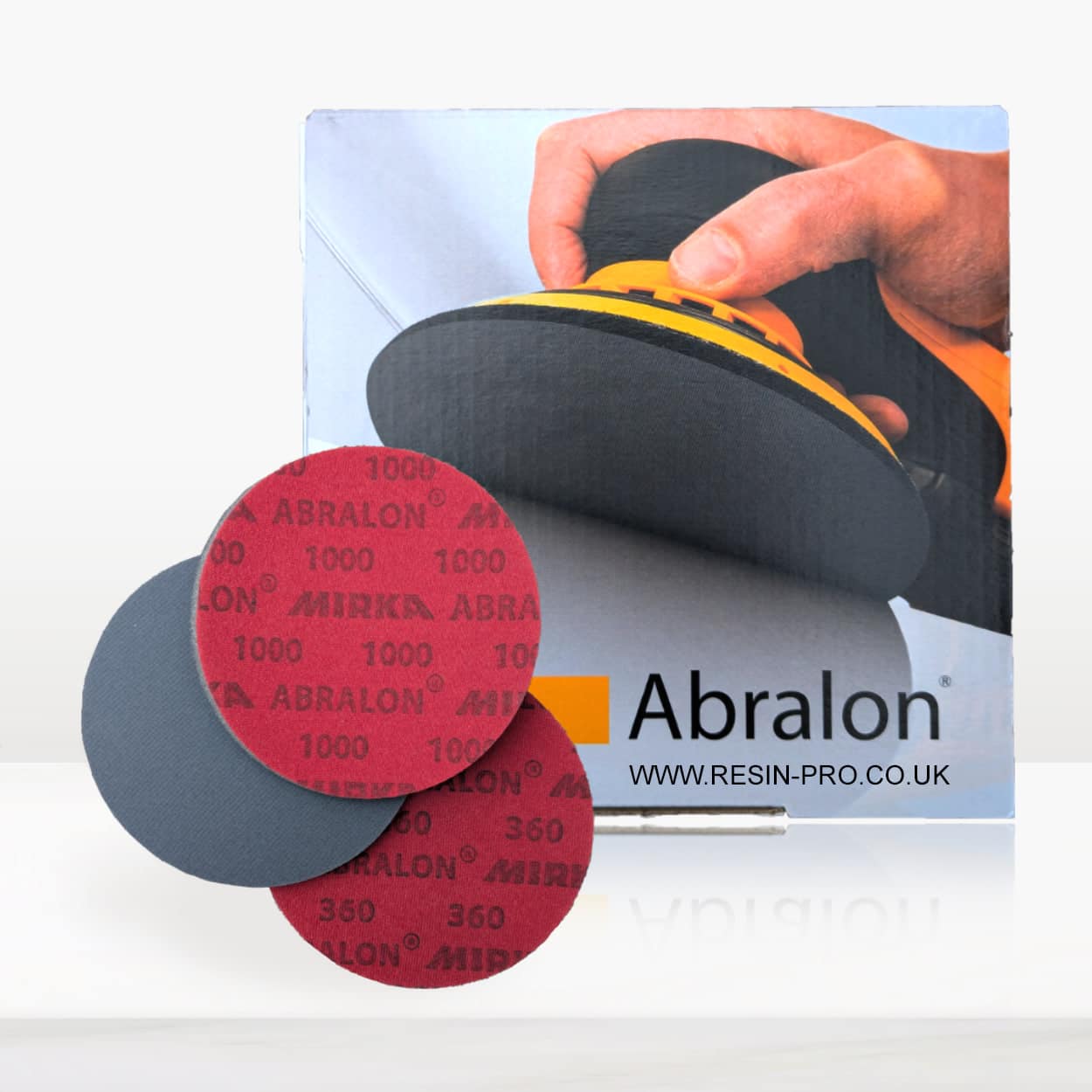
Sanding is a crucial step when preparing wooden surfaces for resin pouring. The right tools help create a smooth, even base, making your resin project both attractive and durable.
Choosing the Right Sanding Tools
While you can sand wood by hand using quality pads like Ebonite Abralon, for best results it’s recommended to use a rotary polisher or a hand pad holder. These tools provide better control, consistent pressure, and save time—especially on larger or more intricate surfaces.
- Rotary polishers – Ideal for uniform, professional finishes on flat boards.
- Hand pad holders – Useful for detailed work or curved surfaces where precision is required.
How to Sand Effectively Before Resin
Begin with a coarse grit to flatten and remove imperfections, progressively moving to finer grits for a silky-smooth feel. The Ebonite Abralon system ranges from 360 to 4000 grit, so you can match the pad to your project’s needs. Always sand in the direction of the wood grain and keep the surface free of dust between grits to ensure top adhesion once the resin is applied.
When This Matters
Using the proper sanding tools is especially important for projects that require a flawless resin finish, such as tabletops, art boards, or decorative trays. Poor sanding can lead to bubbles, uneven bonding, or surface imperfections that show through your resin work.
Related products
Related guides
Proper sanding sets the foundation for successful resin applications, ensuring your wood absorbs products like EpoxyWood efficiently and delivers a smooth, professional result. For more guidance, see our main advice on preparing wooden boards before embedding them in resin.