 Free shipping on orders over £29,85
  Shipping Tracking!


 Google
 Facebook
← Back to Is the resin toxic once hardened and can it affect food?
When working with resin for creative or practical projects, the terms ‘non-toxic’ and ‘food-safe’ often come up—especially if items will be used for eating or serving food. Understanding their distinction is essential for both safety and peace of mind.
What Does ‘Non-Toxic’ Actually Mean?
‘Non-toxic’ resins are formulated so they do not release harmful substances once they’ve fully cured. This means, after hardening, the resin does not emit hazardous fumes or leach chemicals in typical conditions. However, this property on its own does not guarantee suitability for direct food contact. Many decorative and crafting epoxies, such as Trasparente, are non-toxic once set but are not independently certified for use with food.
How Does ‘Food-Safe’ Differ?
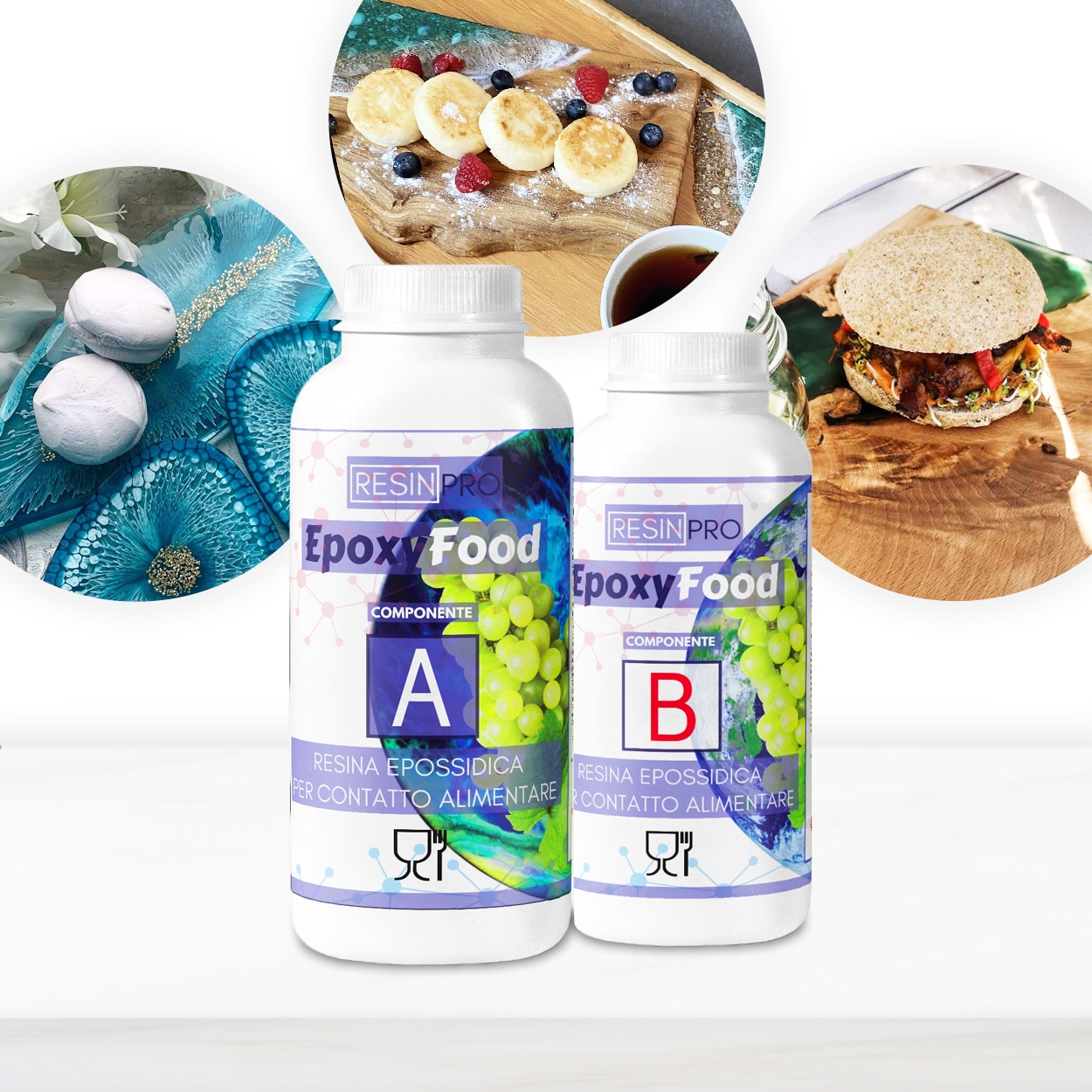
‘Food-safe’-status goes a step further and requires that the resin has passed strict, independent testing and certification to confirm it can be safely used where it will directly touch edible items. For example, EpoxyFood is officially certified as suitable for contact with cold snacks and non-alcoholic beverages when properly mixed and cured. If your project needs to be used with food, always look for explicit ‘food-safe’ certification, rather than just ‘non-toxic’ labelling.
Practical Guidance: Choosing the Right Resin
- For decorative objects (like coasters or jewellery): Non-toxic resins are suitable as long as there’s no intention for them to contact food.
- For food-contact surfaces (such as plates, serving boards, or cups): Use a product with true food-safety certification, such as EpoxyFood. For wooden kitchenware, pairing with a food-safe mineral oil like Cutting Board Oil helps to maintain both protection and compliance.
When This Matters
The distinction is most important when your finished item will regularly touch food or drink—such as with dishes, chopping boards, or tumblers. For these uses, ensuring the correct product is not just non-toxic, but also certified food-safe, is crucial for long-term safety and compliance.
Related products
Related guides
Choosing between non-toxic and food-safe resins makes a clear difference to both project safety and peace of mind. For further expertise on resin safety and its effects on food contact, visit our main FAQ on whether resin is toxic once hardened.