 Free shipping on orders over £29,85
  Shipping Tracking!


 Google
 Facebook
← Back to Epoxy resin’s resistance to temperature and abrasion?
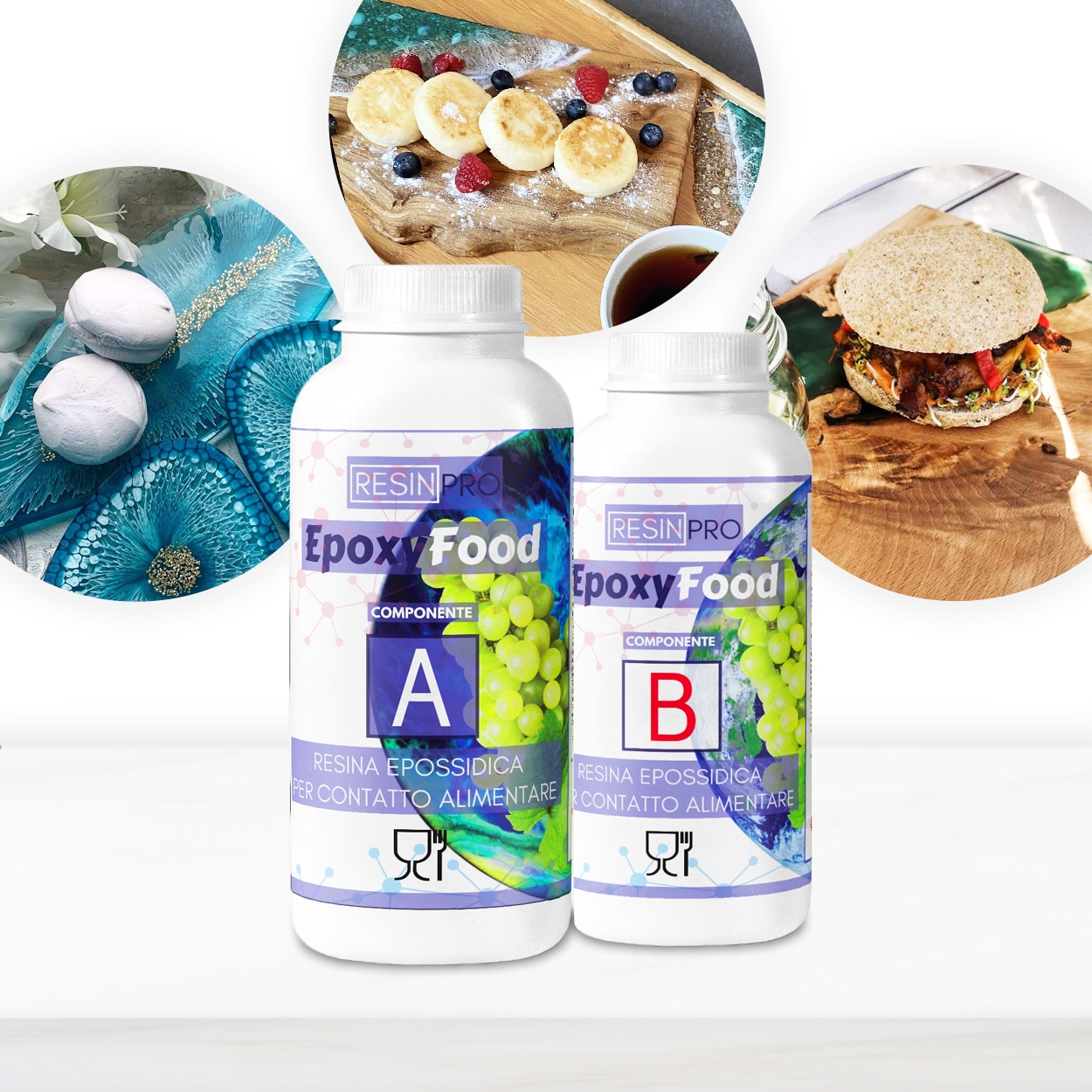
Food-safe epoxy resin is a popular way to add a glossy, durable coating to trays, coasters, and serving boards – especially where occasional contact with liquids is likely. But does it stand up to everyday use in damp or wet conditions? Let’s explore its suitability and care for practical kitchen projects.
Understanding Food-Safe Resin for Wet Applications
Certified food-safe epoxy resins, such as EpoxyFood, are independently tested for safe contact with food and drinks (excluding hot items or alcohol). This makes them ideal for surfaces like trays, cheese boards, or coasters that will sometimes get wet from water, snacks, or cold drinks. When properly mixed and applied, the resin forms a continuous barrier that protects the surface beneath and tolerates exposure to moisture.
Limitations & Best Practices
While food-safe resins are resistant to water and most household chemicals, there are important limits. They are not intended for prolonged contact with boiling liquids, regular dishwasher use, or direct exposure to hot pans or alcoholic drinks. It’s also best not to cut or chop directly on resin-coated surfaces, as sharp utensils can mar the finish. For cleaning, simply wash with mild soap and water, and avoid soaking for extended periods.
- Use only on properly cured, undamaged resin coatings.
- Avoid heat above 70°C for lasting clarity and safety.
- Do not add pigments or dyes unless certified safe for food contact.
When This Matters: Everyday Kitchen Use
If your projects include fruit bowls, cheese boards, or serving trays that are occasionally rinsed or wiped, food-safe epoxy resin coatings like EpoxyFood are suitably robust. However, it’s important to stick within recommended usage – this resin isn’t for ovenware, hot drinks, or constant immersion (such as dishwashers or sinks).
Related products
Related guides
In summary, food-safe resin is perfectly suited for decorative trays, coasters, and boards that encounter cold foods and occasional wet use. For detailed guidance on temperature and abrasion resistance in broader epoxy resin projects, return to our main FAQ.