 Free shipping on orders over £29,85
  Shipping Tracking!


 Google
 Facebook
← Back to Epoxy resin’s resistance to temperature and abrasion?
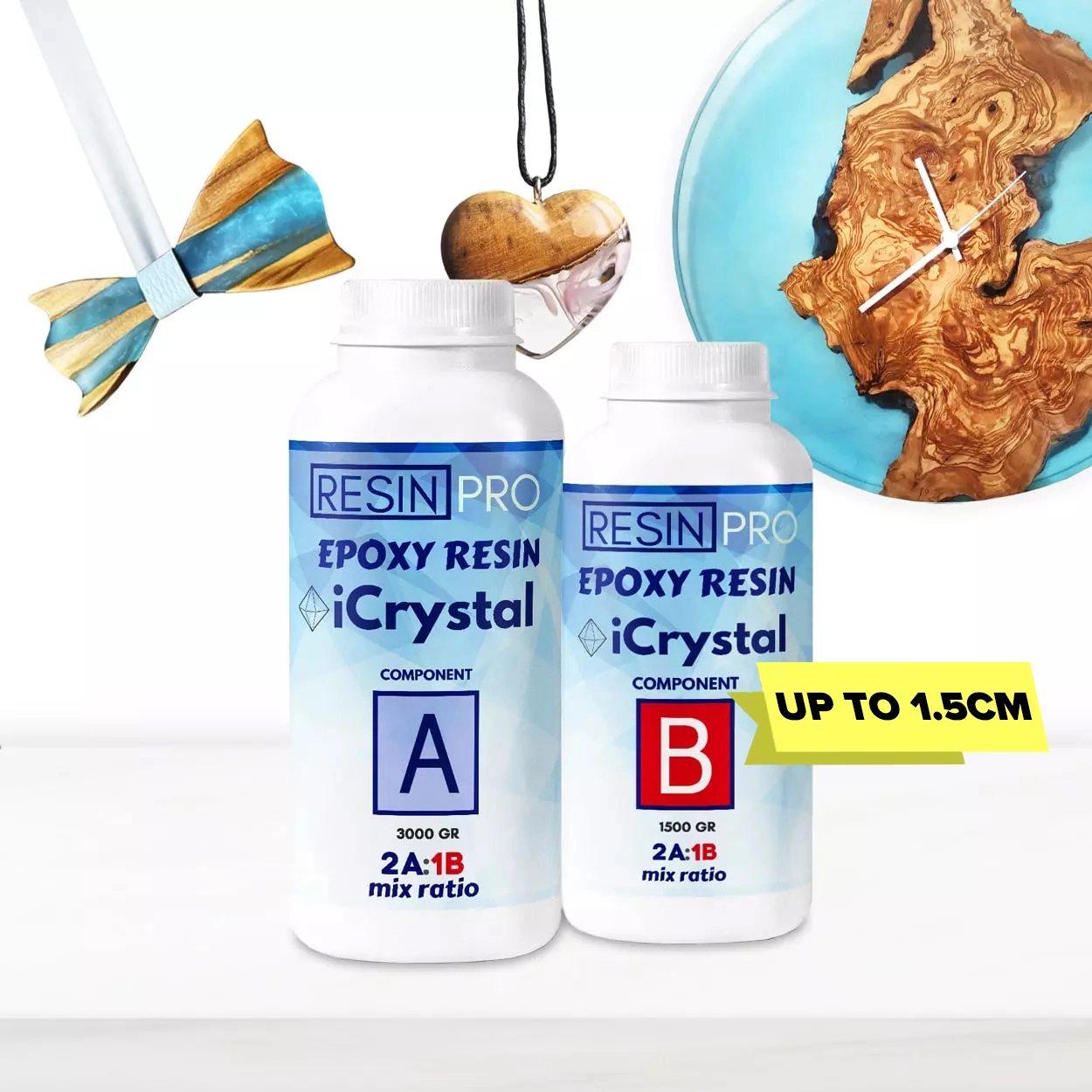
Getting the mixing ratio right is crucial for achieving a durable, clear, and long-lasting epoxy resin finish. The appropriate ratio varies with each resin type, so understanding and measuring carefully is the first step toward project success.
Why Does the Mixing Ratio Matter?
The mixing ratio determines how well the resin and hardener react to form a solid and resilient surface. Too much or too little hardener may result in a soft, tacky finish or incomplete curing, while the right ratio produces a clear, strong, and stable result. Always refer to the specific instructions provided with your epoxy, as even small variations can impact the finished product.
Typical Ratios for Popular Epoxy Resins
- EpoxyTable 5-Five and EpoxyFood both require a precise 100:55 ratio by weight – that is, 100 parts resin to 55 parts hardener.
- Art Pro mixes at a 3:2 ratio by weight.
- Icrystal is best measured at a 2:1 ratio by weight.
Use digital scales to weigh out each component accurately. Stir thoroughly, ensuring the two parts are well-blended for consistent results. For guidance on food-safe coating options, EpoxyFood is a trusted choice when used as directed.
When Ratio Precision Matters Most
Exact mixing is especially important for projects exposed to moderate heat, frequent use, or needing a flawless finish—such as tabletops, serving boards, or artwork. Slight errors can reduce both strength and the resistance to temperature or abrasion, so double-check your weights before combining.
Related products
Related guides
Following each resin’s mixing guide is essential to unlock its full performance, particularly when working on projects where resistance to temperature and abrasion is needed. For more advice on resin application and durability, visit our main guide on epoxy resin’s resistance to temperature and abrasion.