 Free shipping on orders over £29,85
  Shipping Tracking!


 Google
 Facebook
← Back to What is epoxy paint used for?
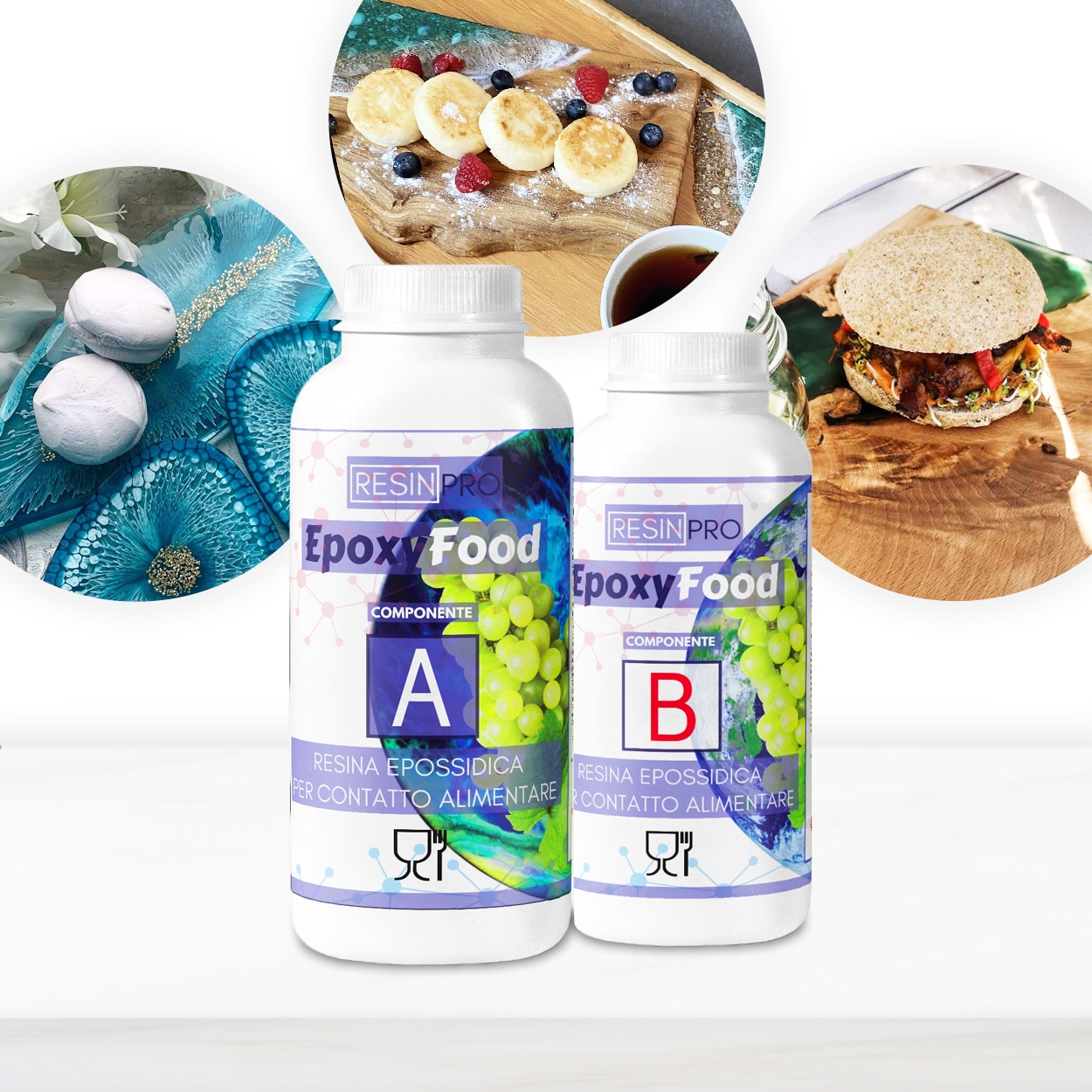
Many epoxy resins are popular for kitchenware projects, plates, chopping boards, and serving items, but not all are developed with food safety in mind. Here’s what to consider if you want to create or restore objects that will come into contact with food.
Understanding Food-Safe Epoxy Resin
Epoxy resins for food-contact items must meet specific safety standards, generally set by European regulations. Only some products are certified for direct food contact, which means they’ve been independently tested and proven safe for use with non-alcoholic, cold foods and beverages. Always look for clear proof of certification when selecting a resin for food-related use.
Choosing and Using Food-Contact Epoxy
If you are making or repairing bowls, trays, or chopping boards that will hold food, opt for a certified product like EpoxyFood. Products such as this are suitable for cold food applications, have low odour, and offer a clear finish. Always mix and apply strictly according to instructions and avoid adding non-certified pigments or additives, as these may compromise the resin’s food-safe status. Allow for full curing to ensure safety, and avoid using these surfaces for hot or alcoholic foods as most kitchen epoxies are only suitable for temperatures up to around 70°C.
When Food Safety Matters Most
- Restoring or sealing fruit bowls, plates, or counter tops.
- Creating bespoke chopping boards or serving dishes.
- Making kitchenware for professional catering or home entertaining, where direct food contact is expected.
Related products
Related guides
For any project where food safety is a concern, opt for certified resins and always follow usage guidelines. Learn more about the versatility of epoxy paints and their uses by visiting our main epoxy paint guide.