 Free shipping on orders over £29,85
  Shipping Tracking!


 Google
 Facebook
← Back to What moisture content should the wood have before encapsulating it in resin?
Reclaimed and outdoor wood can be beautifully preserved in resin, but care must be taken to ensure strong, reliable results. Below you’ll find guidance to achieve safe and lasting encapsulation.
Preparation: Drying and Stabilising Reclaimed Wood
The most important step before encapsulating external or salvaged wood in resin is making sure it is fully dry and stabilised. Residual moisture can cause cloudiness, bubbles, or even separation over time. Use a moisture meter to verify the wood is dry throughout—ideally, it should be seasoned to well below 12% moisture content. Sand the surface and remove dirt or old finishes before proceeding.
Choosing a Suitable Resin for Encapsulation
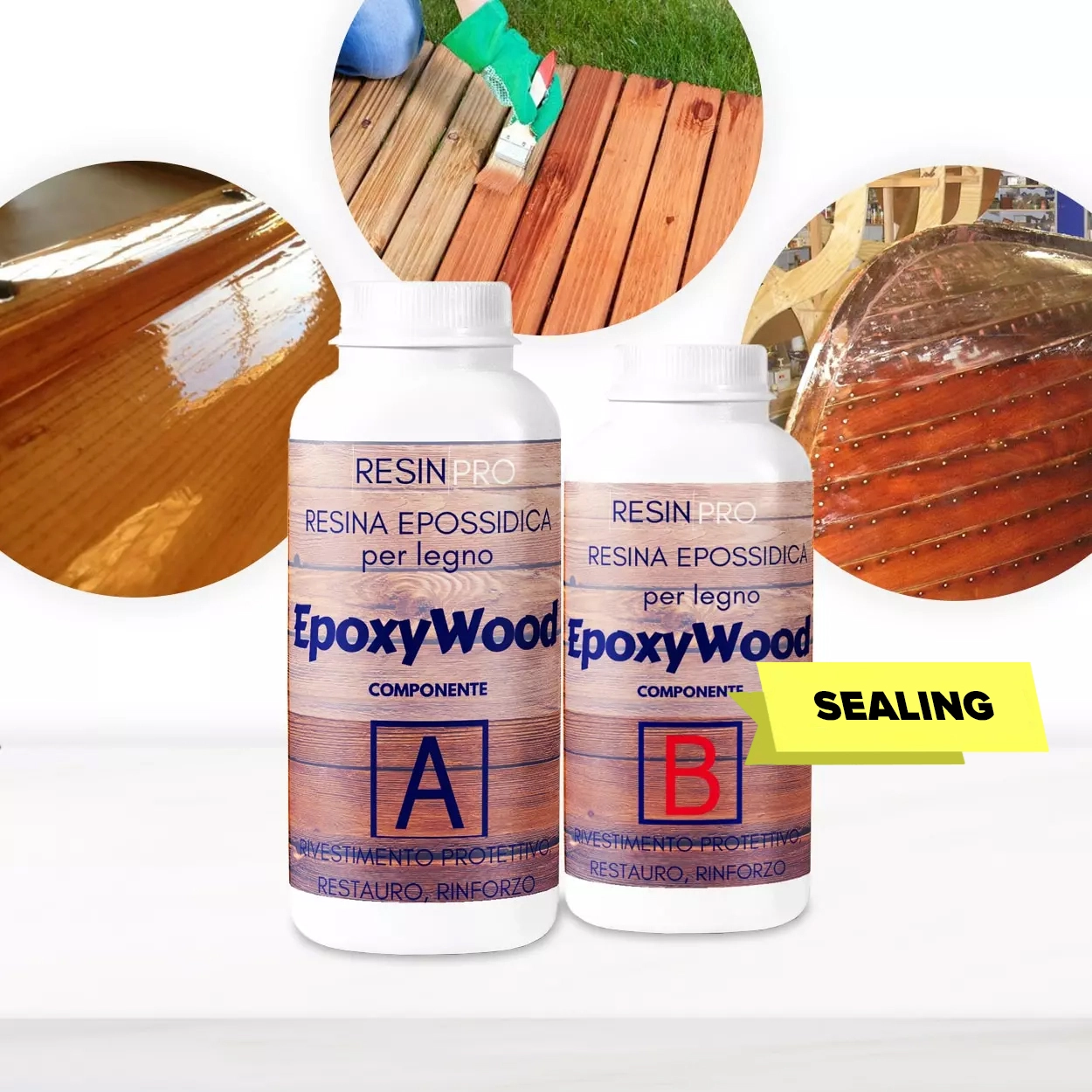
Once dry, treat the wood with a dedicated stabilising resin for best results. EpoxyWood epoxy is formulated to deeply penetrate and reinforce timber, making it an excellent choice for prepping reclaimed or outdoor wood prior to casting. After pre-treatment, clear casting resins like “Trasparente” or deep-pour epoxies such as “EpoxyTable 5-Five” can be used to finish your encapsulation, depending on your project’s size and thickness requirements.
When This Matters Most
- Wood salvaged from outdoors or humid environments often hides trapped moisture; treating and sealing it well prevents failures down the line.
- This preparation is particularly important for furniture, tables, or decorative projects expected to last.
Related products
Related guides
Ensuring your reclaimed or outdoor wood is properly dried and stabilised sets the foundation for durable resin encapsulation. For a complete guide to preparing wood for resin projects, visit our main FAQ on moisture content requirements and get more expert tips.