 Free shipping on orders over £29,85
  Shipping Tracking!


 Google
 Facebook
← Back to Which pigments can I use for resin?
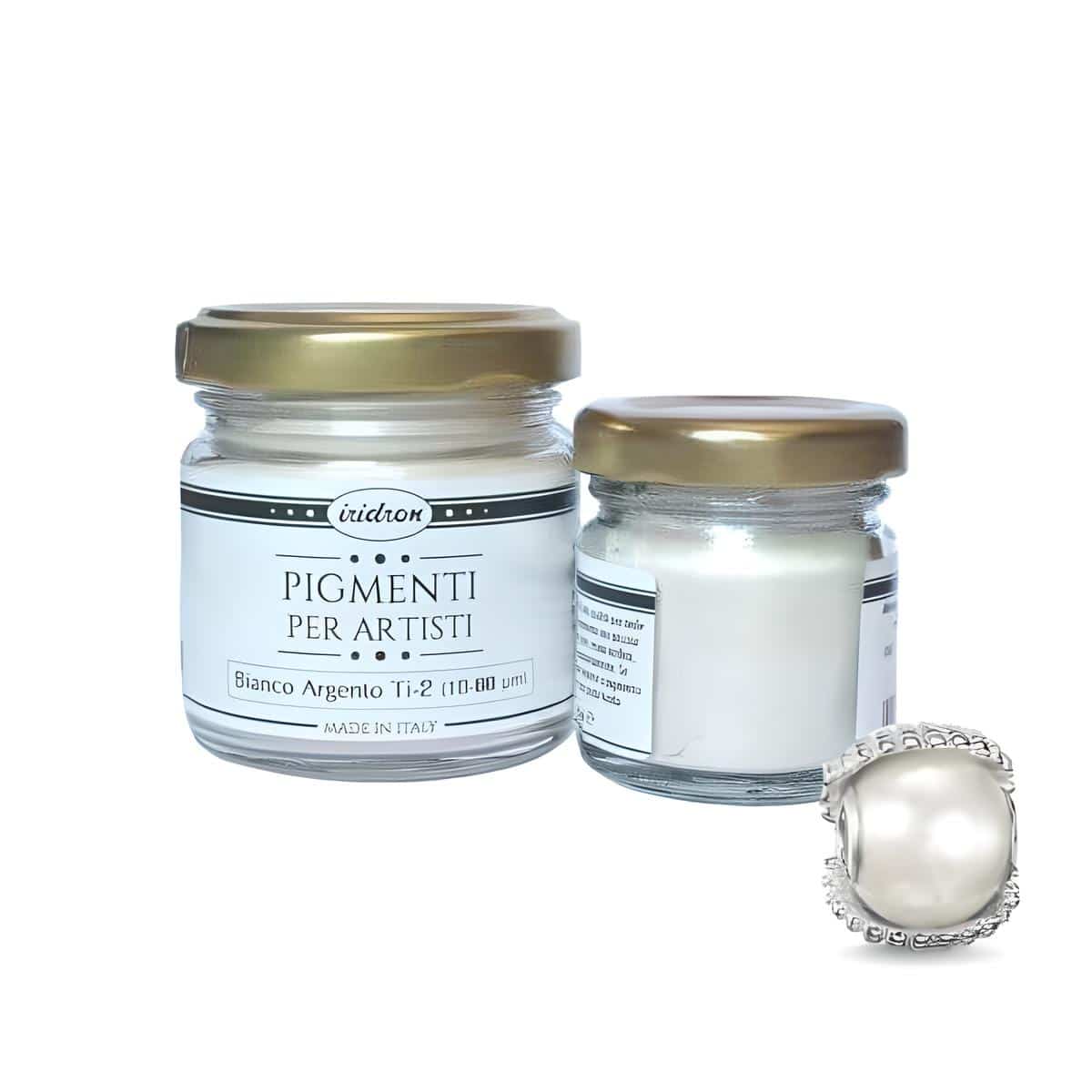
When creating resin pieces exposed to higher temperatures, it’s important to choose pigments with reliable high-temperature stability. Stable pigments help maintain colour vibrancy even in challenging environments.
Why High-Temperature Stability Matters
High-temperature stability means that pigments won’t fade, discolour, or break down when exposed to heat. This becomes essential for resin projects like coasters, trays, or surface décor regularly encountering warmth or sunlight. If your chosen pigment lacks stability, you may notice dullness, colour shifts, or even patchy results over time.
Pigments with Proven Heat Resistance
Certain specialised pigments are designed with heat stability in mind. For example, the mica-based “Iridron” Pearline Pigments explicitly list high-temperature stability as a key feature, making them a suitable choice for functional or display resin pieces. Metallic effects from the Iridron High-gloss Floating Metallic Pigments and Alto Brillo range also provide coverage and lasting effects, with mica-based properties supporting colour resilience.
Tips for Use and Application
- Choose mica-based pigments when your resin work will be placed near heat sources.
- Follow manufacturer guidelines and avoid pigment overload, as too much can affect heat performance.
- Allow resin to cure fully in a stable environment before exposing it to warmth.
When This Matters
If making coasters, trays, or decorative pieces for sunny spots, prioritise pigments known for heat stability to enjoy lasting, vivid results.
Related products
Related guides
Selecting the right heat-stable pigment is a simple step that can safeguard your resin art’s appearance over time. For more on choosing suitable pigments for any resin project, discover guidance on our main Which pigments can I use for resin? page.