 Free shipping on orders over £29,85
  Shipping Tracking!


 Google
 Facebook
← Back to Which resin model is best for creating seascapes?
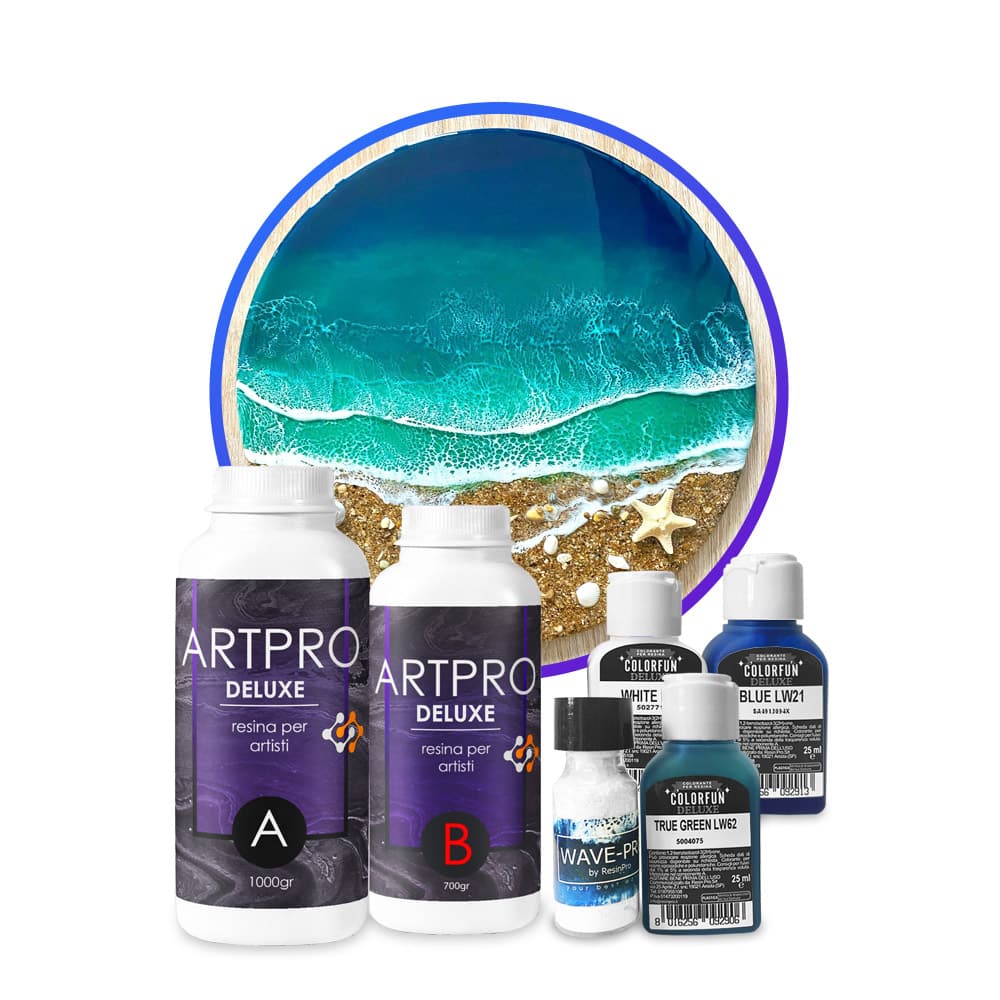
Capturing the energy of the ocean in resin art relies on being able to craft realistic waves, cells, and concentric circles. With the right combination of materials and additives, you can elevate your seascape pieces and truly mimic the look and movement of water.
Choosing the Right Resin and Additives
For defined waves and crisp cell patterns, opt for an epoxy resin with a thicker viscosity—it helps maintain sharp lines and minimises unwanted colour blending. A great example is the “Sea” Resin Kit for Creating Ocean Art, which includes thick resin, ocean-toned pigments, and a special wave additive. The addition of products like Wave-Pro powder makes it possible to create foamy crests and natural-looking cell structures in the resin without the need for heat guns.
Basic Techniques for Realistic Effects
To achieve intricate concentric circles or perfect foamy waves, begin by mixing your resin and pigments as recommended. Pour your base ocean tones with gradual layering, then introduce white or lighter pigments over the top. Gently sliding a stick or spatula in circular motions can help form natural rings, while using the wave additive where the “foam” is desired brings lifelike energy to the design. Swirling and tilting the canvas assists in guiding resin to mimic tidal movement for a convincing result.
Practical Guidance for Artists
- Always mix additives into the resin thoroughly for an even effect.
- Begin with a small amount of pigment—more can be added to increase intensity, but a little goes a long way.
- Allow each layer to partially cure before adding further detail for maximum control over waves and cells.
When This Matters Most
These techniques are especially useful when your seascape artwork demands a sense of movement, such as breaking surf, foamy tide, or dynamic concentric water rings. Care and the right products help you achieve drama and realism without overcomplicating the process.
Related products
Related guides
Mastering realistic waves and cell effects in resin art requires a combination of suitable tools and thoughtful technique. For fully integrated options and more advanced guidance, our parent guide on choosing the best resin model for seascapes is an excellent next step.