 Free shipping on orders over £29,85
  Shipping Tracking!


 Google
 Facebook
← Back to At what temperature does resin melt?
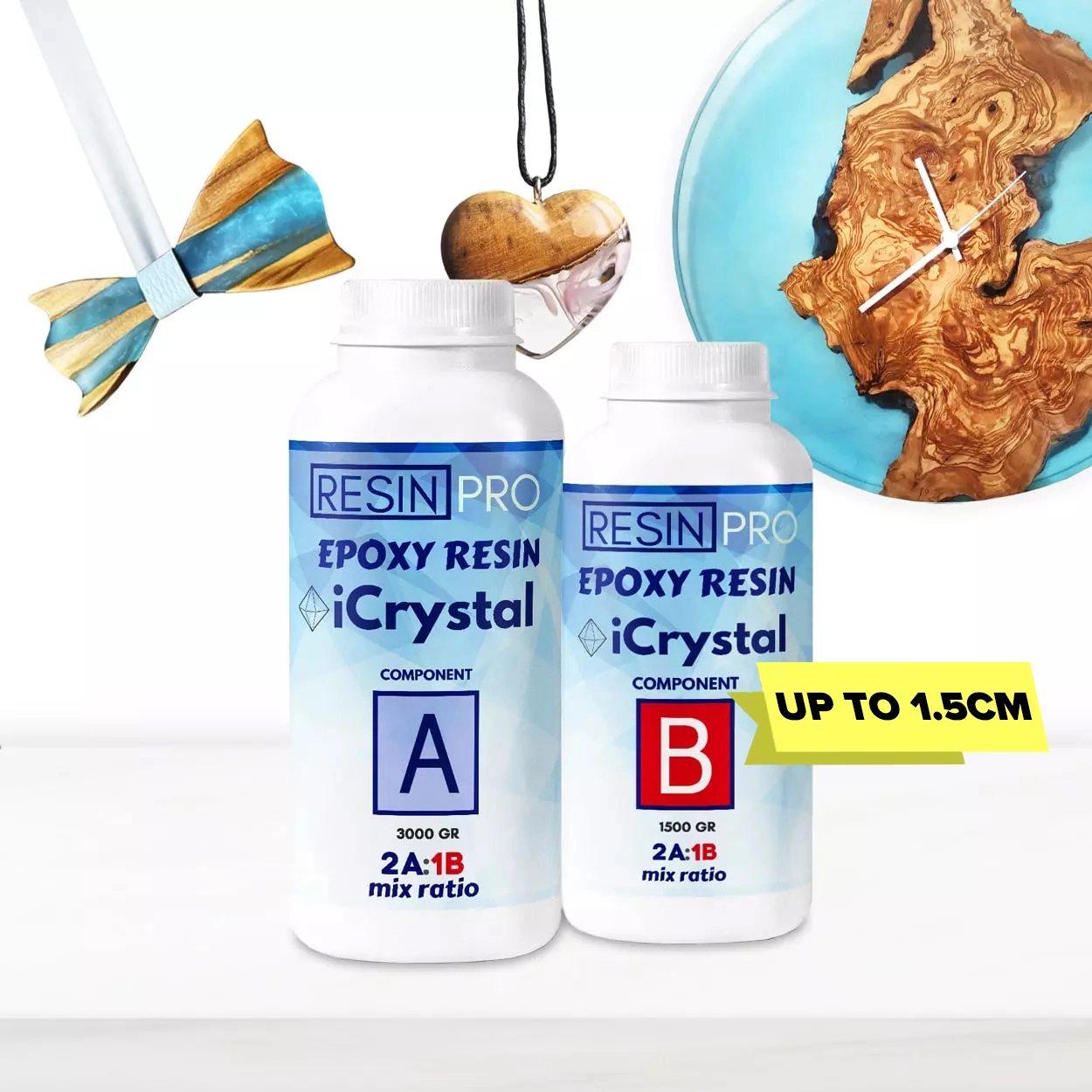
Displaying resin projects outside or in hot climates introduces challenges such as UV exposure and elevated temperatures. The right resin and care approach help maintain long-lasting beauty and performance.
UV Resistance and Sunlight Exposure
Resin exposed to direct sunlight may yellow or lose clarity over time due to ultraviolet rays. However, specialised resins like Icrystal and Trasparente are formulated with advanced UV filters, significantly reducing the risk of discolouration and keeping your projects clear for years. When selecting resin for outdoor use or bright spaces, opt for products that specify UV protection in their features.
Managing Heat and Surface Temperatures
Most high-quality epoxy resins recommended for tables and art—such as Epoxytable 10-Ten and Icrystal—are designed to tolerate temperatures up to 70°C. Exceeding this temperature may cause the resin to soften or lose its structure. For outdoor tables or decorative surfaces, avoid placing very hot objects directly onto resin, and use coasters or heat pads for added defence. If you live in a region where surfaces might get extremely hot (such as through direct, prolonged sunlight on dark colours), position resin pieces in shaded areas when possible.
When This Matters
- If you plan to use resin art on patios, balconies, or by windows, be aware of the combined effects of heat and UV rays.
- Tables or surfaces exposed to summer sun can become surprisingly hot—take precautions to preserve surface clarity and avoid softening.
Related products
Related guides
Choosing the right resin and taking a few precautions ensures your projects stay vibrant and intact even in sunny or warm environments. For more on heat and care, explore the details on resin performance at different temperatures on our main FAQ page.