 Free shipping on orders over £29,85
  Shipping Tracking!


 Google
 Facebook
← Back to What variables affect catalyst curing time?
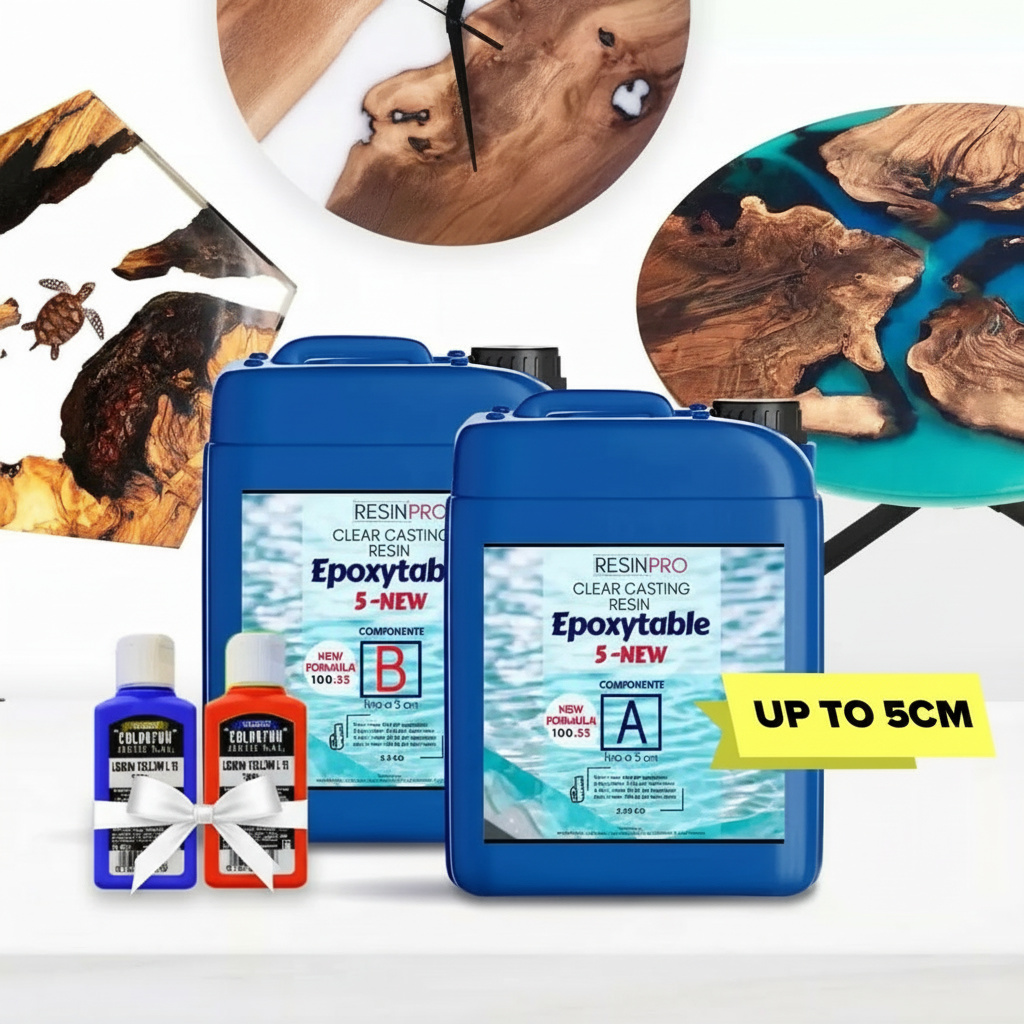
When working with epoxy resin, the thickness of each layer poured plays a crucial role in how the catalyst sets and the overall curing time. Understanding this interplay helps you achieve the best results for your project, whether you’re crafting jewellery or casting a river table.
How Thickness Influences Resin Curing
The speed and quality of resin curing varies considerably with pour depth. A thicker pour generates more heat (an exothermic reaction), which accelerates catalyst activity and shortens curing time. However, excessive thickness in a single layer can overheat, potentially causing yellowing, bubbles, or deformation of your piece. For large-volume pours over 5cm, such as deep tabletops, it’s advisable to work in multiple layers, allowing sufficient time between each pour for safe and even curing.
Choosing the Right Resin for Your Pour
Selecting a resin formulated for your intended thickness is essential for safe and predictable curing. For projects up to 5cm thick, EpoxyTable 5-Five is engineered for deeper layers, providing a low exothermic reaction that helps prevent overheating. If your project requires even greater depth—up to 10cm per layer—“Epoxytable 10-Ten” is purpose-built for very deep pours and large castings. For thinner applications such as clear coatings or jewellery, a product like “Icrystal” is designed for up to 1.5cm per pour, ensuring even and consistent cures.
Practical Tips for Layering and Timing
- Always follow the manufacturer’s recommended maximum pour thickness for each resin.
- For thick pours, allow each layer to partly cure (usually several hours) before starting the next, to prevent overheating and ensure a strong, uniform bond.
- Be mindful of your workspace temperature and humidity as these can further influence curing times, especially in thicker castings.
When This Matters Most
If you’re tackling large furniture projects, river tables, or intricate castings, managing pour thickness is vital. The right combination of resin type and pour depth means fewer defects, stronger finished pieces, and safer working conditions.
Related products
Related guides
Understanding how poured thickness affects catalyst curing is key to a successful resin project. Explore the full range of tips and products related to curing time variables on our main guide: What variables affect catalyst curing time?