 Free shipping on orders over £29,85
  Shipping Tracking!


 Google
 Facebook
← Back to At what temperature does resin catalyse?
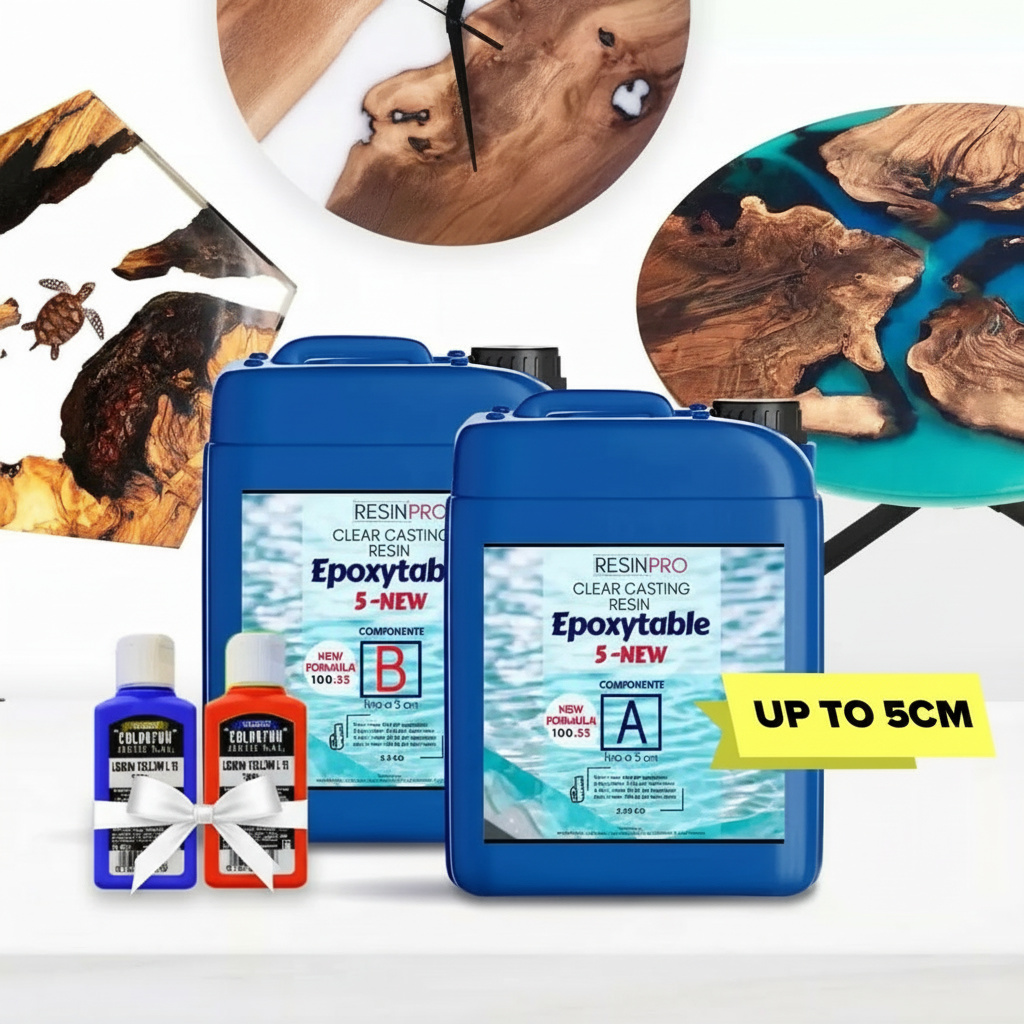
Understanding how EpoxyTable 5-Five epoxy resin cures at different temperatures is crucial for achieving the best results when creating deep-pour tables and artistic castings.
How Temperature Influences Curing
EpoxyTable 5-Five is designed with a low exothermic reaction, allowing for controlled curing and minimising the risk of overheating during pours up to 5cm thick. At typical room temperature (about 20–23°C), the resin cures steadily and safely. If the ambient temperature rises significantly above this range, especially when using large volumes, curing may accelerate too quickly and generate excessive heat. This can impact clarity and structural integrity. For best outcomes, avoid working in hot environments and ensure your workspace is well ventilated.
Practical Guidance for Pouring and Curing
For consistent results, pour EpoxyTable 5-Five in single layers no thicker than 5cm. If your project exceeds this depth or the surface area is particularly large, consider using Epoxytable 10-Ten for thicker pours, or cast in multiple layers. Allow each layer to set for at least 6–8 hours before adding the next. Always monitor ambient conditions; working at stable, moderate temperatures is key to achieving a clear and durable finish.
When Temperature Control Matters Most
- Deep pours or casting over large surfaces benefit most from consistent, moderate curing temperatures.
- During warmer months, consider working early in the day or in temperature-controlled rooms.
- For smaller pours or thinner applications, temperature variation has less dramatic effects but should still be considered to avoid premature curing.
Related products
Related guides
Working with EpoxyTable 5-Five under the appropriate temperature conditions ensures strong, crystal-clear results for your table or art piece. To learn more about resin catalysation and explore suitable options for your next project, visit our main page: At what temperature does resin catalyse?.