 Free shipping on orders over £29,85
  Shipping Tracking!


 Google
 Facebook
← Back to What colours should be used with resin?
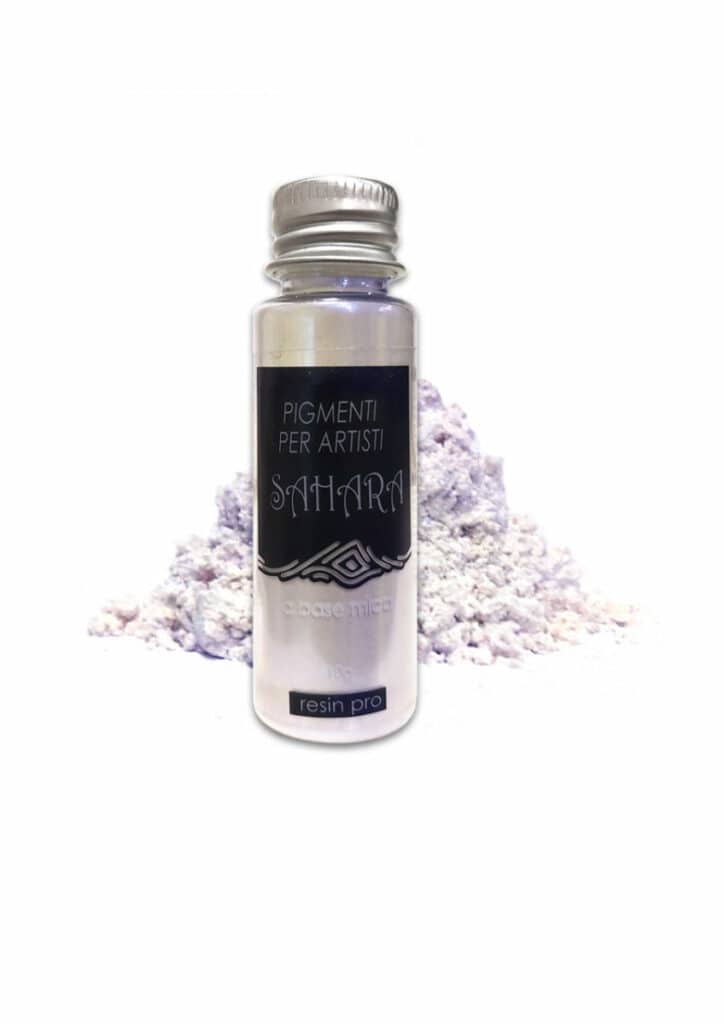
Metallic pigments add a unique shimmer and luminous shine to resin jewellery and artistic pieces. Choosing the right pigment is key to achieving that eye-catching, vibrant effect that brings your resin projects to life.
Types of Metallic Pigments
Interference metallic pigments are popular for their luminous, shifting sheen that changes with the light and viewing angle. Powders like those in the Sahara Space range offer a choice of hues and are made specifically for resin use. These can be mixed into epoxy resin to create a striking metallic or pearlescent finish ideal for both jewellery and decorative artwork.
Aside from interference pigments, mica powders and some liquid dyes can also provide metallic or pearly effects, though they typically offer a less pronounced reflective quality compared to true interference powders.
How to Use Metallic Pigments in Resin
For best results, start by measuring your pigment carefully—generally, up to 5% of your total resin weight is sufficient for robust colour and shimmer. Add the pigment to mixed resin gradually until the desired strength is reached, blending thoroughly to avoid streaks. A little usually goes a long way.
You can also experiment by combining metallic pigments with solid colourants such as the Colourfun Set to create layered or contrasting effects in jewellery and art pieces.
When Metallic Effects Matter
Metallic pigments are especially valued in resin jewellery like pendants or earrings, or in feature pieces of resin art, where a reflective finish is the desired highlight. Whenever you aim to mimic metals or add dramatic accents, interference metallic pigments can transform your designs from ordinary to standout.
Related products
Related guides
Metallic pigments like those in the Sahara Space range are perfect for achieving reflective, eye-catching results in resin jewellery and art. Explore more ways to enhance your resin projects by learning about the full range of colour options discussed in our resin colour guide.