 Free shipping on orders over £29,85
  Shipping Tracking!


 Google
 Facebook
← Back to How do I repair or prepare the surface for a new pour?
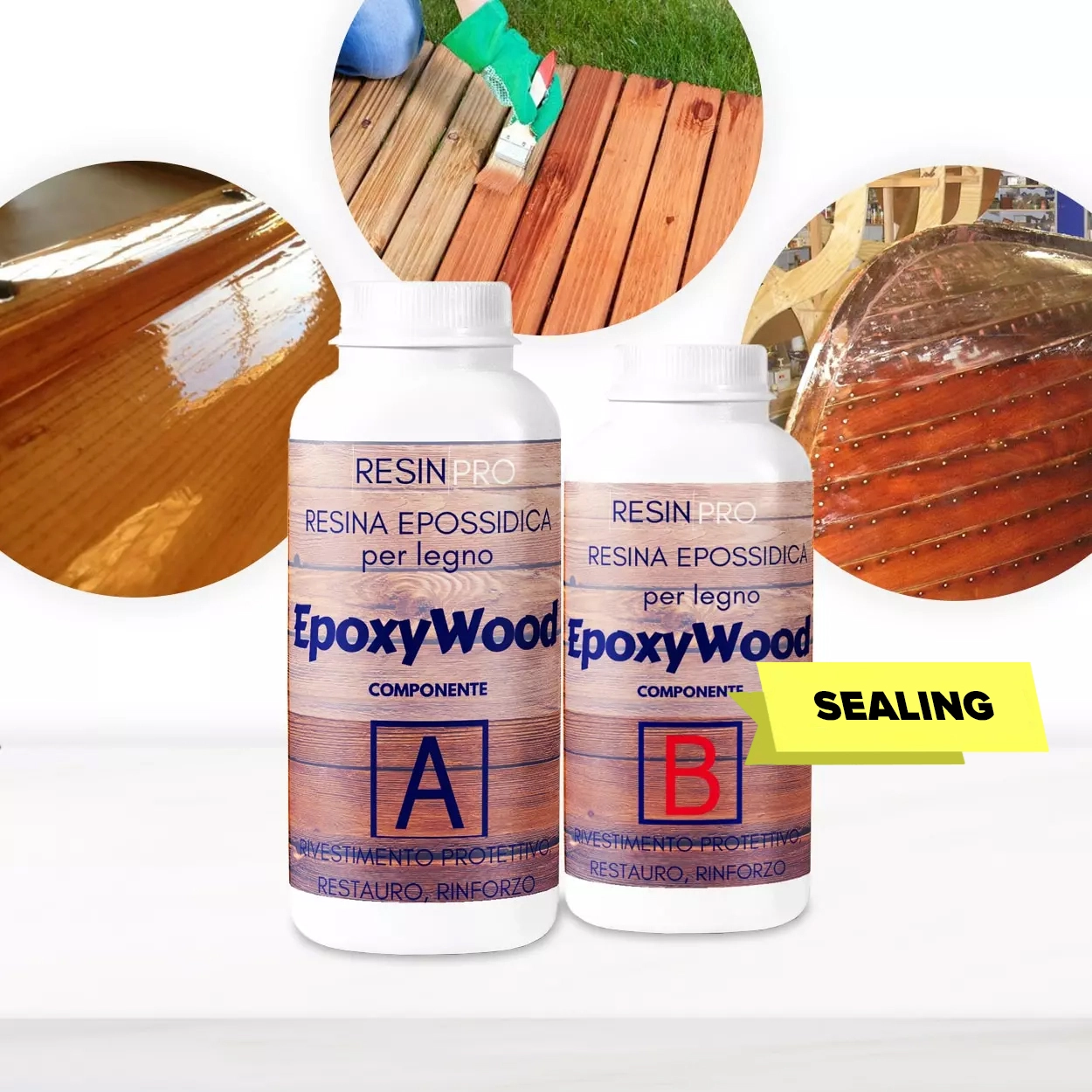
When it comes to restoring damaged wood outdoors—be it garden benches or boat hulls—finding a resin that’s up to the challenge is key. Many wonder if EpoxyWood is reserved for indoor use only, especially given the demands of exterior repairs. Here’s what you need to know about using EpoxyWood for outdoor applications.
Can EpoxyWood Handle Outdoor Conditions?
EpoxyWood isn’t just suited to interior projects. It’s engineered to repair, seal, and reinforce wood inside and out. Its ultra-low viscosity allows deep penetration into wood fibres, making it effective for restoring external timber such as garden furniture or marine fixtures. The result is a durable, waterproof finish that stands up to the elements.
Preparing the Surface for the Best Results
Proper preparation is essential for a lasting repair. Start by ensuring the wood is completely dry, as moisture can hinder resin adhesion. Carefully clean the surface, removing dirt, old coatings, and any loose fibres. Sand the area thoroughly—a Foam Sanding Block offers gentle yet effective smoothing, helping the epoxy bond securely. Only once the surface is spotless and smooth should you begin the application.
When This Matters Most
Choosing EpoxyWood matters for outdoor projects where exposure to rain, sun, or shifting temperatures could cause ordinary fillers to deteriorate. Whether repairing a vintage garden table or preserving wooden boat sections, using an epoxy designed for both external and internal repairs ensures the restored wood will stay protected against the elements.
Related products
Related guides
EpoxyWood is a versatile solution for both indoor and outdoor wood repair, provided the surface is prepped with care. If you’re planning a new pour or embarking on wood restoration, make sure you’re following the right preparation steps for results that last. For broader guidance on repair and preparation, return to our main surface prep hub.