 Free shipping on orders over £29,85
  Shipping Tracking!


 Google
 Facebook
← Back to How do I repair or prepare the surface for a new pour?
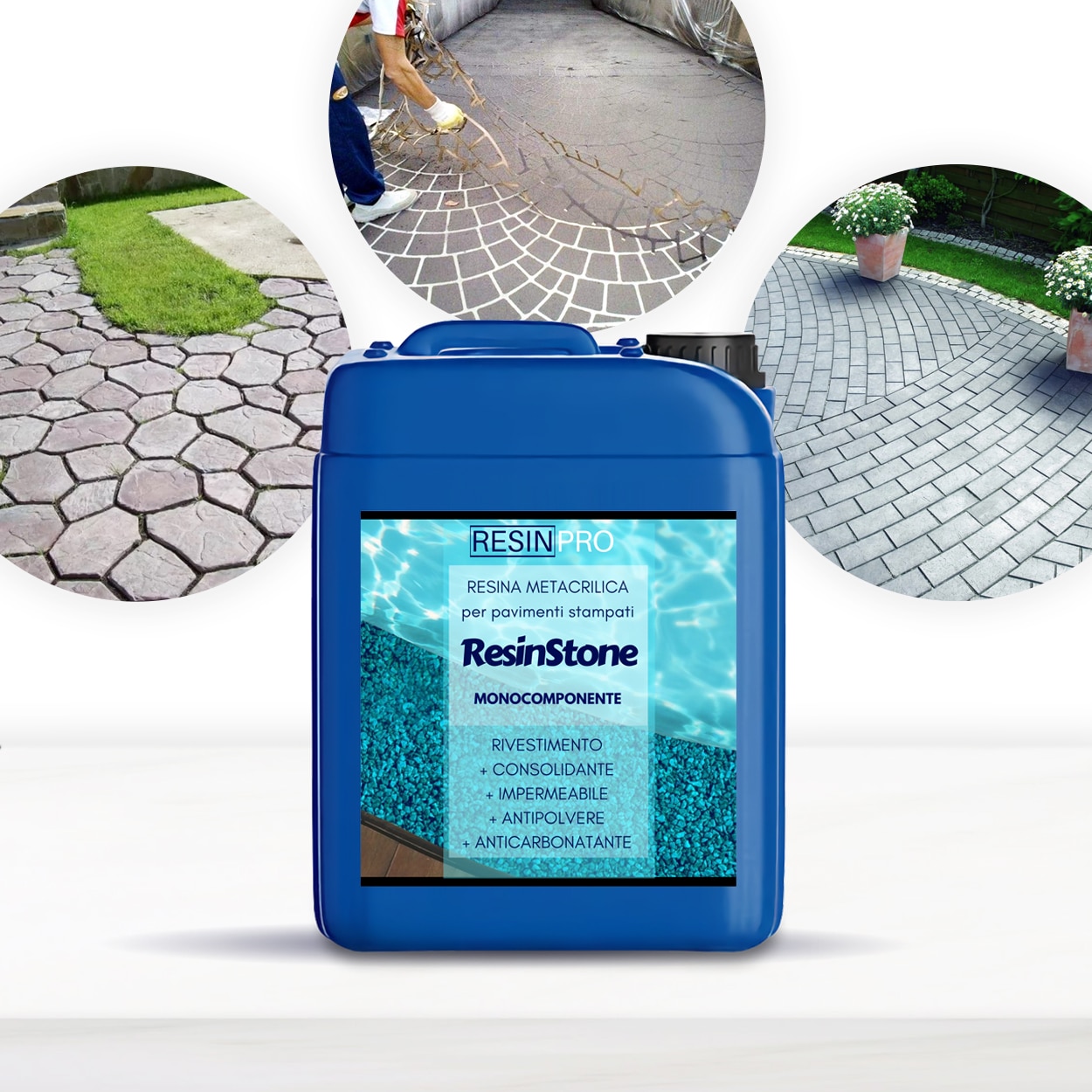
Loose gravel driveways are appealing but often become difficult to manage due to shifting stones. If you’re considering using Resinstone to stabilise and seal gravel, it’s important to know whether it’s the right solution.
Is Resinstone Suitable for Loose Gravel?
Resinstone is formulated as a one-component methacrylic resin, specifically designed for absorbent surfaces such as concrete. Its primary role is sealing and protecting concrete floors, driveways, and outdoor paths—giving a robust, weather-resistant finish. However, Resinstone does not act as a stone binder for loose gravel. It cannot penetrate non-absorbent, unstable, or shifting surfaces, so gravel will remain loose without a specialist binder.
What to Use for Gravel Stabilisation
If your goal is to keep gravel from scattering or shifting, look for dedicated gravel or stone binding systems. These binders are engineered to encapsulate loose aggregate, creating a stable, fixed surface. They typically work by forming a network that locks the stones together while remaining permeable. Applying a product like Resinstone may leave the gravel unbound, making it less suitable for the job.
When This Matters Most
Choosing the right product is crucial if you wish to reduce ongoing maintenance, prevent rutting, and retain the visual appeal of your driveway. Using a product that isn’t designed for gravel could lead to disappointment and extra work.
Related products
Related guides
In summary, while Resinstone offers excellent sealing and protection for concrete driveways, a dedicated gravel binder is essential for loose aggregate. For more details on preparing and repairing your driveway surface, return to our main guide on surface preparation.