 Free shipping on orders over £29,85
  Shipping Tracking!


 Google
 Facebook
← Back to What is transparent epoxy resin used for?
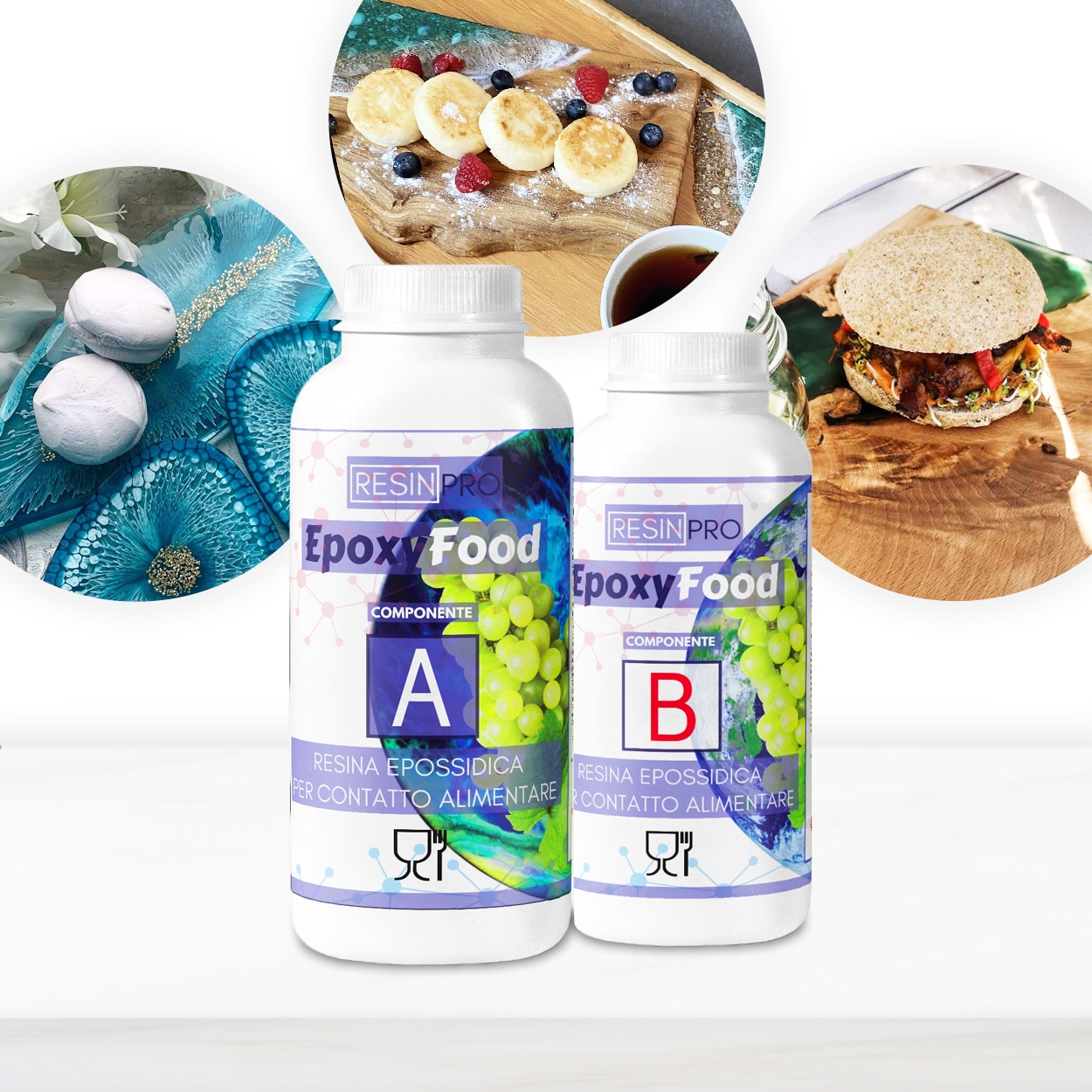
When working on kitchen projects or crafts, it’s important to know that the clear epoxy resin you use is safe for contact with food. Let’s explore food-safe resin options and how best to use them in your projects.
What Makes a Clear Resin Food Safe?
Not all epoxy resins are suitable for direct food contact. A resin is considered food safe if it is certified according to recognised European food contact standards and remains so when mixed as instructed without dyes or additives. One example is EpoxyFood, developed specifically for safe kitchen and craft applications, such as coating plates, serving boards, and similar items that may touch food.
Best Practices for Food-Safe Applications
For kitchen surfaces, plates or utensils, always select a resin confirmed as food contact safe. Follow all mixing instructions carefully and avoid adding colours or additives unless the manufacturer has tested these for food safety. Allow full curing—this is usually at least 24–48 hours, but always check the product instructions. After the resin has set, wash thoroughly before first food use.
- Use only on surfaces intended for cold snacks or ambient-temperature foods
- Do not use with hot food or alcoholic beverages unless specifically approved
- Never substitute resins lacking proper food contact certification
When Food-Safe Resin Matters Most
Opting for a certified clear resin is essential when making or restoring items like serving boards, cake stands, fruit bowls, or any projects where food presentation is involved. This also applies to resin art on coasters, plates, or children’s utensils intended for real use rather than decor.
Related products
Related guides
Ensuring your resin projects use the correct food-safe product keeps your kitchen creations both beautiful and safe. For deeper guidance on resin uses and suitable transparent products, see our main page: What is transparent epoxy resin used for?