 Free shipping on orders over £29,85
  Shipping Tracking!


 Google
 Facebook
← Back to What is resin used for in welding?
Reinforcing wood when working alongside metal is a common challenge in welded assemblies. Choosing the right resin makes a significant difference to the wood’s strength, longevity, and resistance to moisture or environmental factors.
Why Use Epoxy Resin for Wood Reinforcement?
Epoxy resins are favoured for wood reinforcement because they deeply penetrate the timber, hardening it from within and providing effective waterproofing. This is especially useful in situations where wood is combined with metal and exposed to heat or vibration from welding, as a well-chosen resin both stabilises and protects the wood structure.
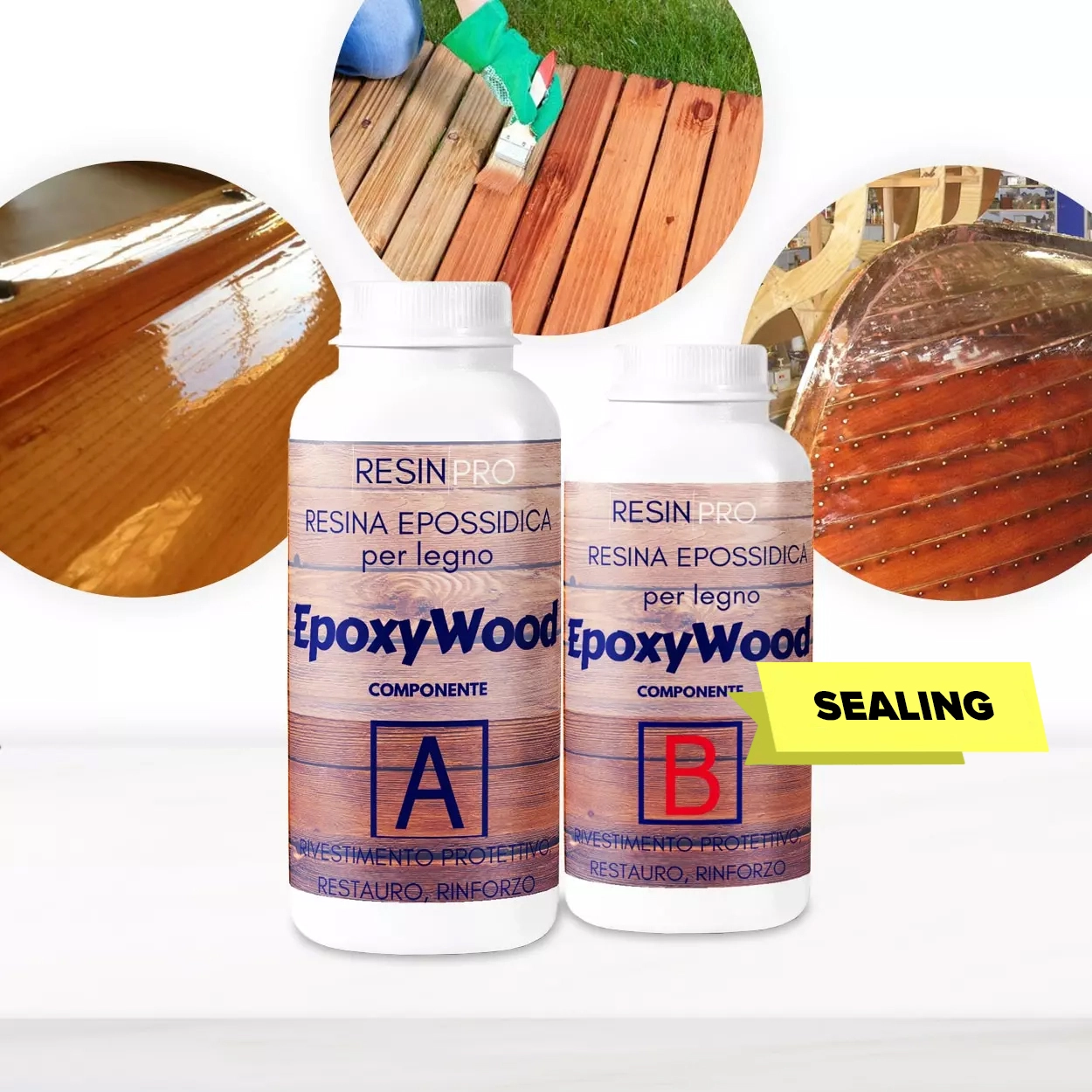
Recommended Product: "EpoxyWood"
EpoxyWood is purpose-designed for wood restoration and reinforcement. Its ultra-low viscosity allows deep absorption into even dry or porous wood, transforming the surface into a durable, waterproof barrier. This not only strengthens the wood but helps maintain its natural appearance, as EpoxyWood features a subtle straw-yellow tint that complements wood grain. For best results, ensure wood is dry and sanded before applying the resin for optimal adhesion.
When Wood Reinforcement Matters in Welding Projects
Using the correct resin is vital when wooden elements are exposed to mechanical stress, weathering, or potential water ingress—common in furniture frames, tool handles, or external structures integrated with metal components. Proper reinforcement greatly extends service life and reduces the risks of wood degradation near welds.
Related products
Related guides
Choosing the right resin, such as EpoxyWood, ensures your welded assemblies incorporating wood stay robust and reliable. For more insights on how resins support metalwork and welding, explore our main guide on what resin is used for in welding.