 Free shipping on orders over £29,85
  Shipping Tracking!


 Google
 Facebook
← Back to What are the post-catalysis finishes?
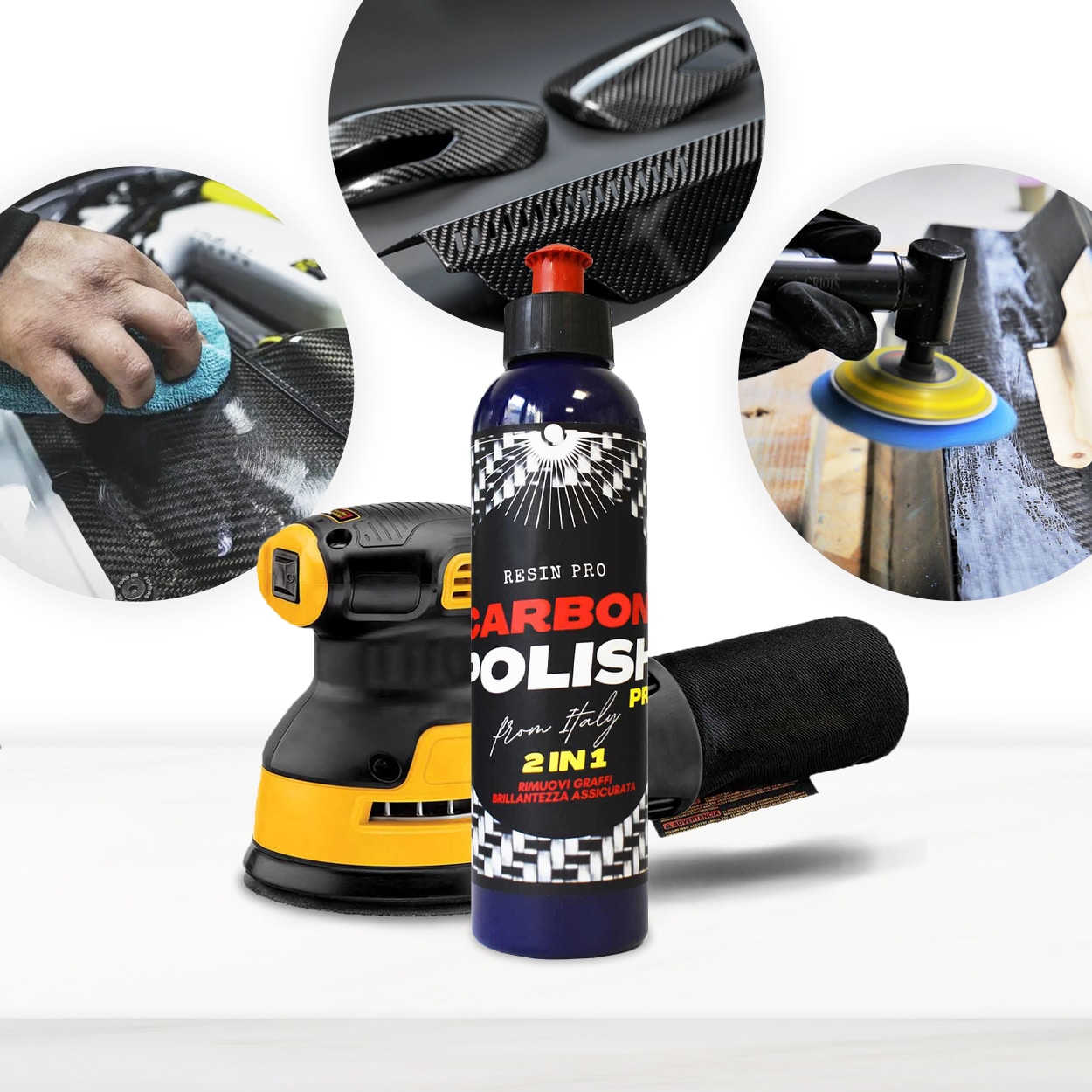
If you’re aiming for a flawless finish on resin, carbon, or other dark surfaces, the right polishing technique makes a real difference. But is it essential to use a machine, or can Carbon Polish be just as effective by hand?
Hand Application: When and How
Carbon Polish has been specially formulated so it can be applied both by hand and using polishing tools. If you’re working on a smaller surface or intricate detail, a gentle application with a microfibre cloth is not only possible but recommended. Work a small amount of polish onto the surface, using circular motions and light to medium pressure. This method offers excellent control and is suitable for touch-ups or projects where a machine might be too aggressive.
Choosing Between Hand and Machine Polishing
If you need to polish a larger area or remove more pronounced marks, a polishing tool will speed up the process. Machines deliver more consistent motion and can help bring out a high gloss with less effort. However, the hand application method remains a reliable choice, especially for finishing touches and delicate resin projects. Both techniques can yield superb results provided you use clean, non-abrasive cloths or pads.
When This Matters Most
- Small Projects: Hand application is particularly effective for jewellery, small art pieces, or tight corners.
- Delicate Surfaces: Choose hand polishing when working on items sensitive to heat or mechanical friction.
- Quick Fixes: Ideal for quick touch-ups to restore shine without prepping machinery.
Related products
Related guides
Whether you prefer manual finesse or the efficiency of a machine, Carbon Polish adapts to your needs, supporting outstanding post-catalysis finishes. To explore more surface finishing solutions, return to our post-catalysis finishes guide.