 Free shipping on orders over £29,85
  Shipping Tracking!


 Google
 Facebook
← Back to What is the temperature resistance of epoxy resin?
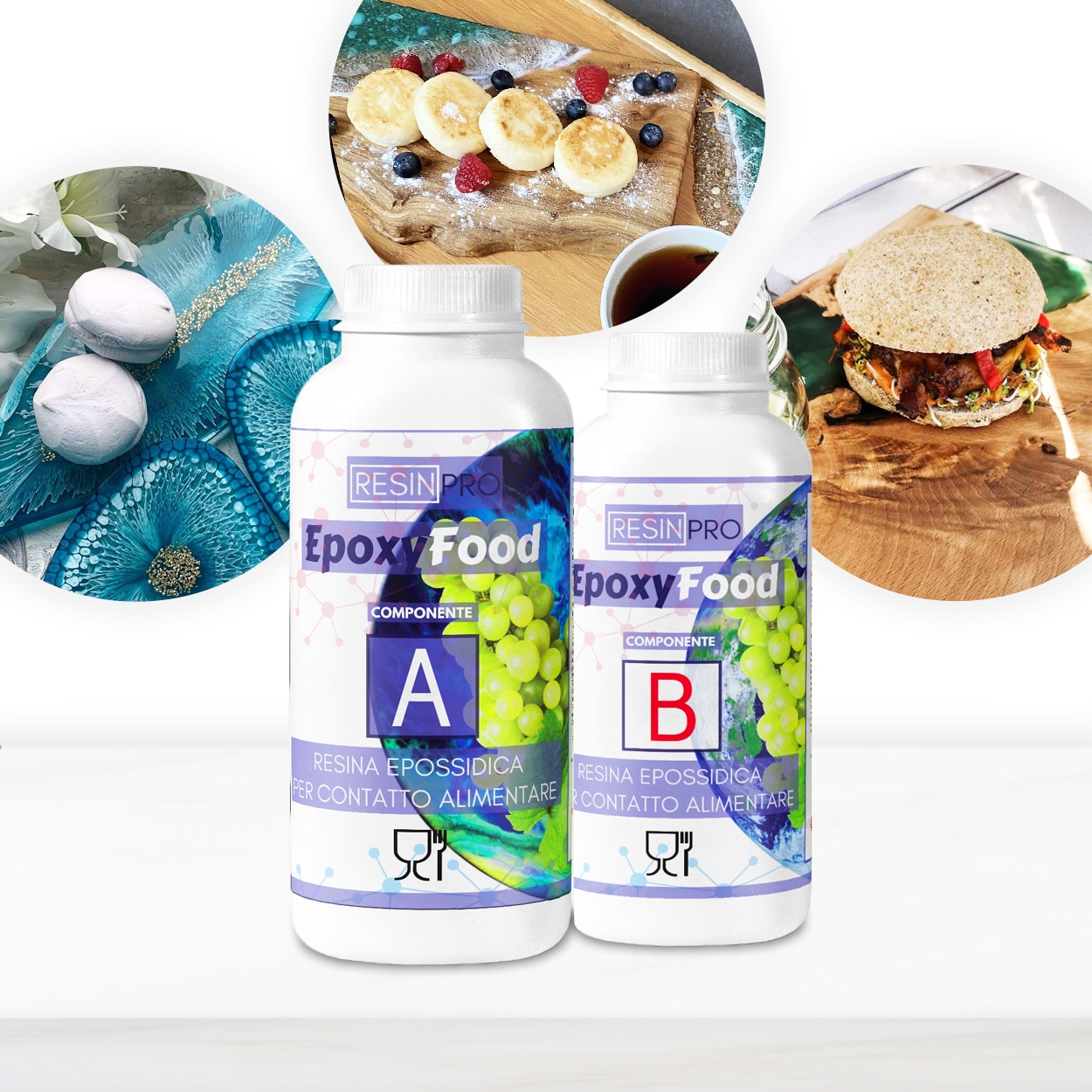
If you need a safe, durable finish for food-contact surfaces, choosing the correct epoxy resin is essential. Not all resins are certified food-safe—here’s what you need to know for peace of mind in the kitchen.
Food-Safe Epoxy Resin: What Meets the Standard?
When selecting an epoxy resin for kitchenware, only a product specifically certified for food contact should be used. Among available options, EpoxyFood is formulated and certified under EU Regulation No. 10/2011 for direct contact with both solid foods and liquids. This means it is suitable for plates, cutting boards, serving trays, and kitchen worktops where occasional hot food or drinks may be present (but not alcohol).
How to Apply Food-Safe Epoxy Resin
Proper application is crucial for safe, long-lasting results. EpoxyFood is easy to use: mix carefully in the specified 100:55 ratio to achieve a flawless, transparent finish. Apply to clean, oil-free surfaces in thin, even layers. Once fully cured, the surface is safe for contact with cold snacks, prepared food, and most drinks up to 70°C. Avoid coating surfaces that will regularly come into contact with alcohol or be exposed to temperatures above 70°C, as this may affect the integrity of the coating.
When Food Safety Certification Matters Most
Food-safe certification is especially important for items like kitchen worktops, serving platters, and utensils that regularly touch food and drink. Using certified resin helps ensure there’s no transfer of unwanted substances, protecting your household and anyone who enjoys your creations.
Related products
Related guides
Choosing the right food-safe epoxy resin simplifies kitchen projects and ensures safety is never compromised. For more details on epoxy resin temperature resistance and suitable products, see our main guide on temperature resistance of epoxy resin.