 Free shipping on orders over £29,85
  Shipping Tracking!


 Google
 Facebook
← Back to How can I apply resin to a wall?
Thinking of applying a resin finish to your wall? Not all surfaces are created equal—some are ideal for resin application, while others need extra care for the best results. Here’s what you should know before you begin your project.
Types of Walls Suitable for Resin
Resin coatings can be successfully applied to a range of surfaces such as cement, brick, tile, plaster, and even well-prepared painted walls. The crucial factor is that the wall must be stable, clean, and completely dry. Porous mineral substrates like brick, cement, and plaster are especially resin-friendly, while tiles can also be covered provided their glaze has been lightly abraded for improved adhesion.
- Cement and concrete: Excellent for strong, lasting bonds
- Brick: Ideal if surface dust is removed
- Tile: Suits resin overlays if the surface is mattened
- Plaster and painted walls: Ensure any flaking paint or loose plaster is removed first
Preparing Your Wall for Resin
Proper preparation is critical. Start by cleaning the wall thoroughly to remove grease, dust, or any loose particles. For particularly shiny or smooth surfaces, use light sanding to promote adhesion. Surfaces must be completely dry, so avoid applying resin in areas with persistent moisture until resolved. If applying over old paint or plaster, repair any cracks and ensure the substrate is firmly attached to the wall.
Tools like resin application rollers can help achieve an even finish, especially on larger surfaces or tricky textures.
Choosing the Right Resin Product
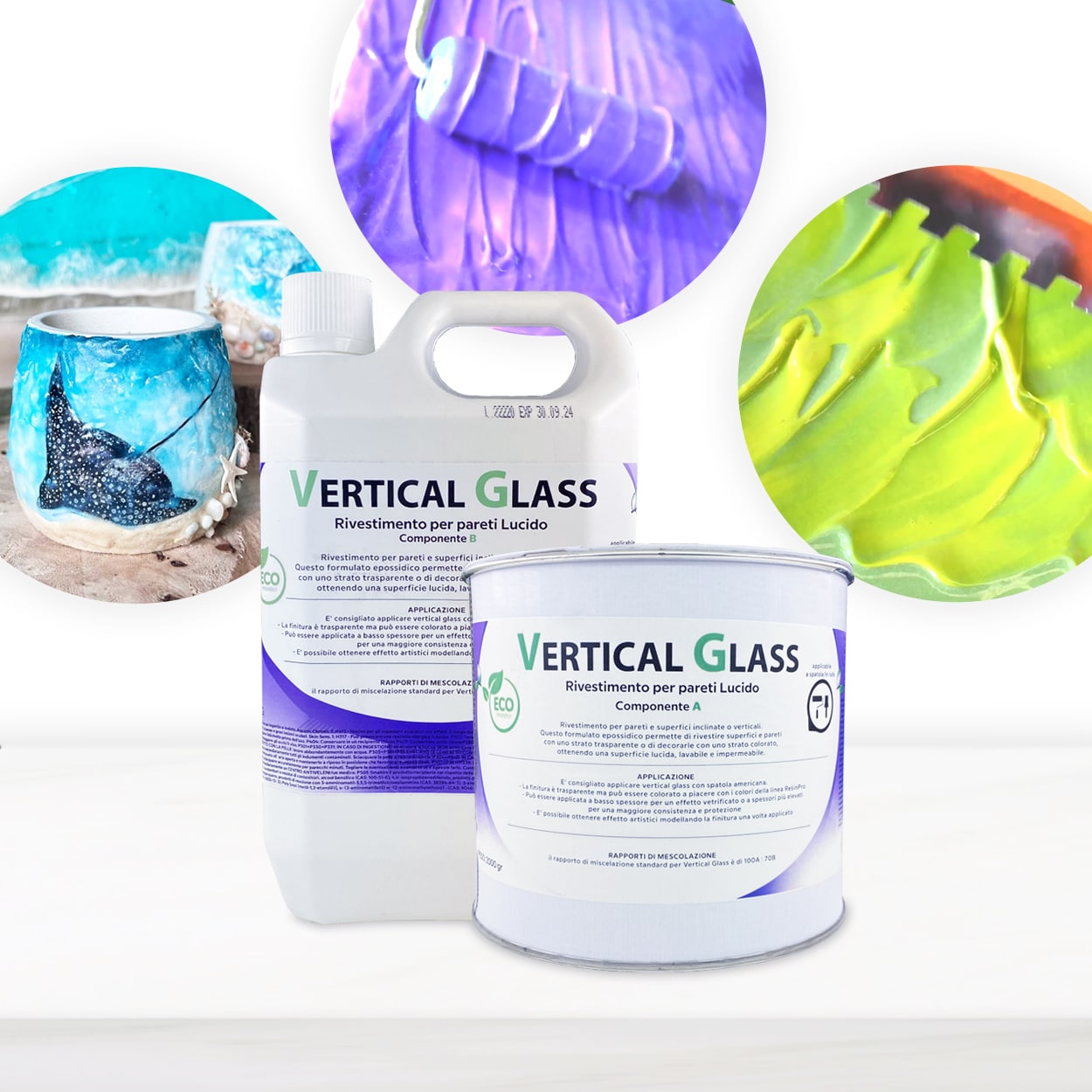
Different projects call for different resin formulations. For decorative wall finishes, consider “Vertical Glass” wall coating—designed specifically for use on vertical surfaces including tiles and cement. For repair work, Magelstick epoxy mastic offers a strong bond for stone, cement, and even some metal walls. Always match your chosen resin to both the wall material and desired finish.
When This Matters
Selecting and preparing the right wall surface is especially important in humid areas like bathrooms and kitchens, or when durability and adhesion are priorities. A well-prepared substrate helps ensure a long-lasting, professional-looking resin coating.
Related products
Related guides
By identifying the correct wall type and preparing it properly, you’ll achieve a beautiful, durable resin finish that stands the test of time. For step-by-step application advice, visit our main guide on how to apply resin to a wall.