 Free shipping on orders over £29,85
  Shipping Tracking!


 Google
 Facebook
← Back to How can I apply resin to a wall?
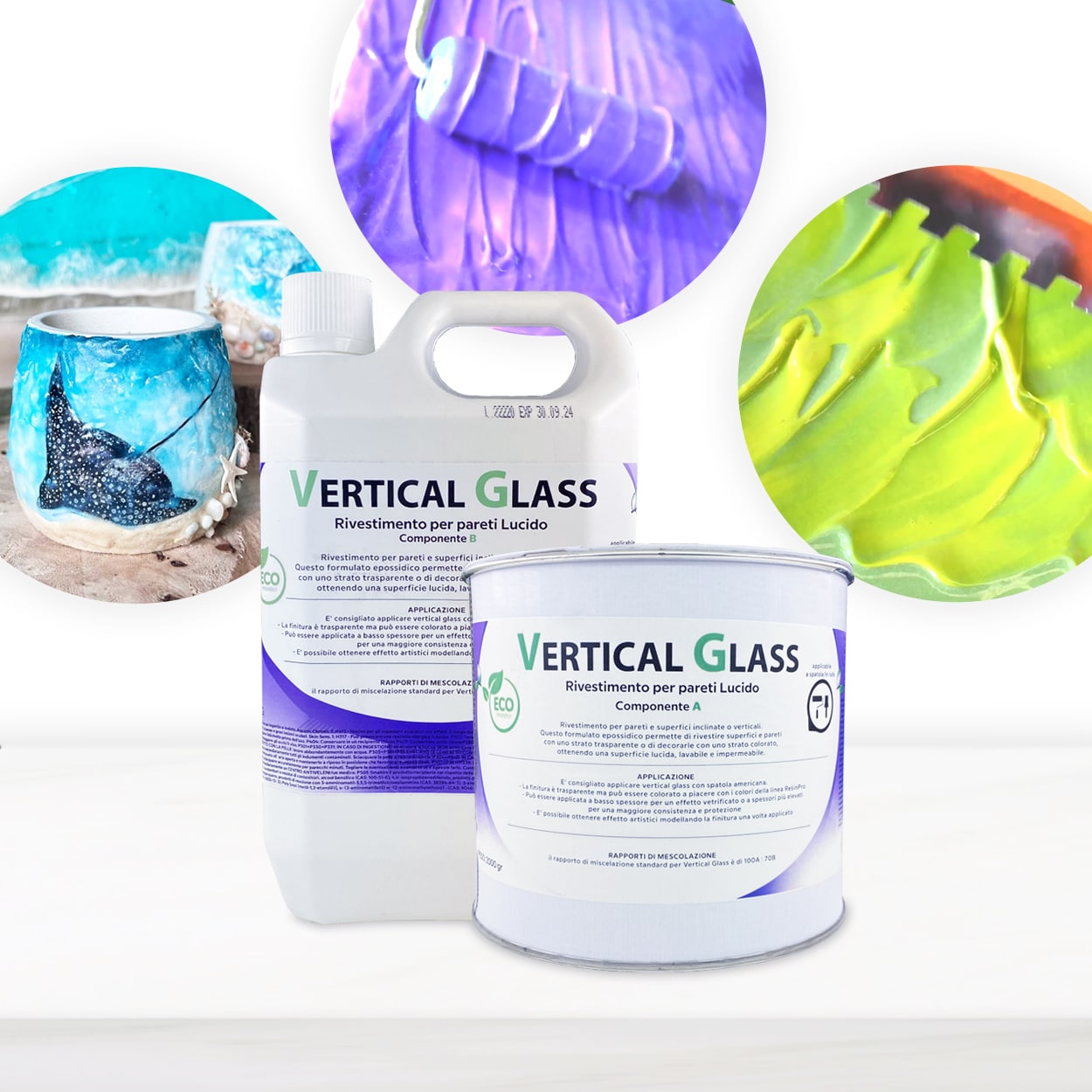
When applying resin to a wall, working in thin and controlled layers is essential for preventing drips, runs, and imperfections. This technique helps create a sleek, professional-looking outcome on vertical and sloping surfaces.
Why Thin Layers Make a Difference
Applying resin in thin coats gives you greater control and reduces the likelihood of gravity-induced runs or pooling, which can be tricky to correct once set. This approach is particularly effective with non-self-levelling resins such as Vertical Glass, which are purpose-designed for wall applications. Thin layers also facilitate even curing, maximising adhesion to surfaces like tiles, cement, or bricks and producing a smooth result that is both decorative and durable.
Practical Application Tips
- Preparation is key: Make sure your wall is clean, dry, and free from dust or grease to ensure a solid bond.
- Tools matter: Use a spatula for spreading the resin neatly across vertical or sloping surfaces, or opt for a short-pile or sponge roller for areas requiring extra precision.
- Layering: Apply a thin coat, allow it to partially cure, then apply additional layers if needed. This gradual build-up helps maintain a uniform finish and strengthens the coating.
- Customisation: Pigments can be added to thin layers, giving you the flexibility to achieve the design or effect you want.
When Thin, Controlled Application Matters Most
Opting for thin, even coats is especially important for decorative wall finishes in kitchens, bathrooms, or commercial spaces. It’s also crucial when working with detailed patterns or high-viscosity resin products to prevent distortion and maintain clarity in the design.
Related products
Related guides
Mastering the technique of applying resin in thin, controlled layers creates professional results that enhance both the style and longevity of your vertical surfaces. For more comprehensive advice and product options, visit our main guide on how to apply resin to a wall.