Free shipping on orders over £29,85
  Shipping Tracking!


 Google
 Facebook
How to apply epoxy resin?
Applying epoxy resin is an achievable project whether you’re enhancing a wooden table, embedding objects, or restoring timber. This guide will teach you the essential steps for a professional, bubble-free, and long-lasting finish—making it suitable for both newcomers and seasoned DIYers who want reliable outcomes on home, art, or restoration projects.
Step-by-step guide for flawless epoxy resin application every time

What You’ll Need
- “Trasparente” – Multipurpose Clear Epoxy Resin for Casting – Up to 2cm: For detailed casting and thin coats.
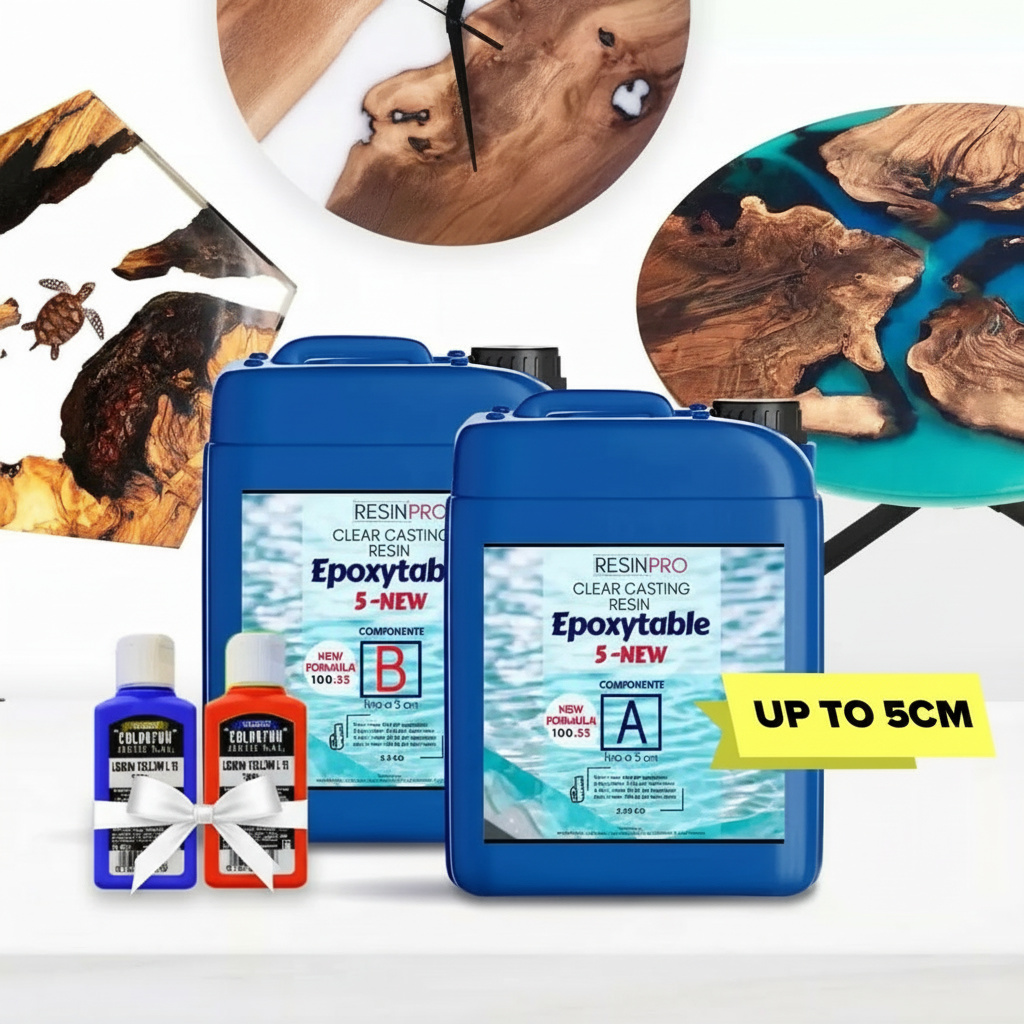
- “EpoxyTable 5-Five” – Deep Pour Epoxy Resin for Tables and Large Projects – Up to 5cm: For deeper pours such as thick tables or artistic castings.
- “Epoxytable 10-Ten” – Deep Pour Epoxy Resin for Tables, Up to 10cm Casting: For ultra-deep projects requiring extra thickness.
- “EpoxyWood” – Wood Restoration Epoxy Resin for Deep Penetration and Waterproofing: For sealing and restoring timber before resin application.
- Mixing containers (preferably disposable and graduated)
- Measuring scales
- Protective gloves and clothing
- Mixing sticks or spatulas
- Drop sheet or protective covering for surfaces
- Heat gun or torch (for removing bubbles, optional)
- Sanding paper (if surface preparation or levelling is needed)

Workspace Preparation and Material Setup
Organise your workspace and gather all required materials before starting. Having everything ready allows you to focus on proper safety and quality without interruptions. Position resins, tools, and protective sheets in a clear, accessible arrangement.
Step 1: Protect Your Workspace
Before opening any resin, clear and cover your work area with a protective sheet or drop cloth. Choose a dust-free space with moderate temperature, as humidity and temperature can impact curing performance. Wear gloves at all times, as epoxy resin is sticky and can irritate skin. Ensure you have good ventilation to avoid inhaling fumes during the mixing and pouring process.

"EpoxyTable 5-Five" – Deep Pour Epoxy Resin for Tables and Large Projects – Up to 5cm
Two-component epoxy resin designed for deep pouring up to 5 cm thickness, commonly used for tables, countertops, and large decorative projects.
Step 2: Prepare and Seal the Surface
The surface must be clean, dry, and free from oil or old finishes. For wooden surfaces, sanding ensures better resin adhesion. Remove all dust before proceeding. If working with porous or old timber, use a dedicated wood preparation resin such as “EpoxyWood” – Wood Restoration Epoxy Resin for Deep Penetration and Waterproofing for deep penetration and sealing. Allow this initial coat to cure as per its instructions before proceeding with decorative or casting resins.
Make sure any edges or moulds are securely taped or sealed to prevent leaks. For art pieces or mould work, select forms that release resin easily, using a suitable mould release agent if needed.
Step 3: Careful Measuring and Mixing
Accuracy is crucial with epoxy resin. Follow the manufacturer’s ratio instructions for resin and hardener by weight—not by volume. Use accurate digital scales and a clean, dry mixing container. Pour both components carefully into the container and blend with a slow, steady motion using a mixing stick or spatula. Scrape the sides and bottom to ensure even mixing and avoid unmixed pockets, which can cause sticky areas or poor curing.
Mix for the recommended time, usually 3–5 minutes, until the mixture is uniform. Avoid whipping air into the resin to minimise trapped bubbles. If working with “Trasparente” – Multipurpose Clear Epoxy Resin for Casting – Up to 2cm, keep batches manageable and layer if greater thickness is required, as exceeding the maximum recommended depth can result in overheating.
"EpoxyTable 5-Five" – Deep Pour Epoxy Resin for Tables and Large Projects – Up to 5cm
Two-component epoxy resin designed for deep pouring up to 5 cm thickness, commonly used for tables, countertops, and large decorative projects.

Step 4: Pour and Spread Evenly
As soon as the mixture is ready, immediately pour onto your prepared surface or into a mould. For table or decorative work requiring deep layers, choose your resin based on depth—e.g., “EpoxyTable 5-Five” for up to 5cm, “Epoxytable 10-Ten” for up to 10cm.
Pour steadily to avoid creating new bubbles and allow the resin to self-level. For art work or thin castings, a plastic spatula or brush can help guide the resin into corners. Move around any bubbles that rise to the surface with a heat gun or by gently exhaling over the resin; do not overheat. If pouring thick layers, you may need to complete your project in multiple stages, allowing each layer to partially cure before adding the next to prevent overheating.
Step 5: Allow Proper Curing
Leave the resin undisturbed for the recommended curing period. Most resins cure within 24–48 hours, but this can vary by brand and ambient temperature. Avoid touching or moving the piece as premature contact may leave marks or prevent a perfect finish.
Cover the piece with a dust shield or box to keep debris away during curing. For large pours, additional time may be necessary—consult your product’s instructions for guidance. Once fully hardened, sand or polish edges as needed to refine the finish.

“Epoxytable 10-Ten” – Deep Pour Epoxy Resin for Tables, Up to 10cm Casting
Deep pour epoxy resin for tables and large artistic castings up to 10cm thickness with measures to avoid overheating.
Tips, Common Mistakes and Troubleshooting
Protect your workspace thoroughly to make cleaning up easy later. Work in a temperature-controlled area between 18–25°C for optimal results and reduced risk of defects.
Mix thoroughly—unmixed resin or hardener can cause sticky, soft patches that never cure. Always measure components by weight, not by sight. If your project overheats, check that your layer thickness did not exceed the product maximum, as thick pours may require multi-stage layering.
If bubbles appear after pouring, they can often be removed with a quick pass of a heat gun. For dull or uneven finishes, sanding and another thin resin layer will restore gloss. Prevent dust or hair from getting onto your surface during curing by using a simple cover or box.
Visual Guide: Layering and Curing in Action
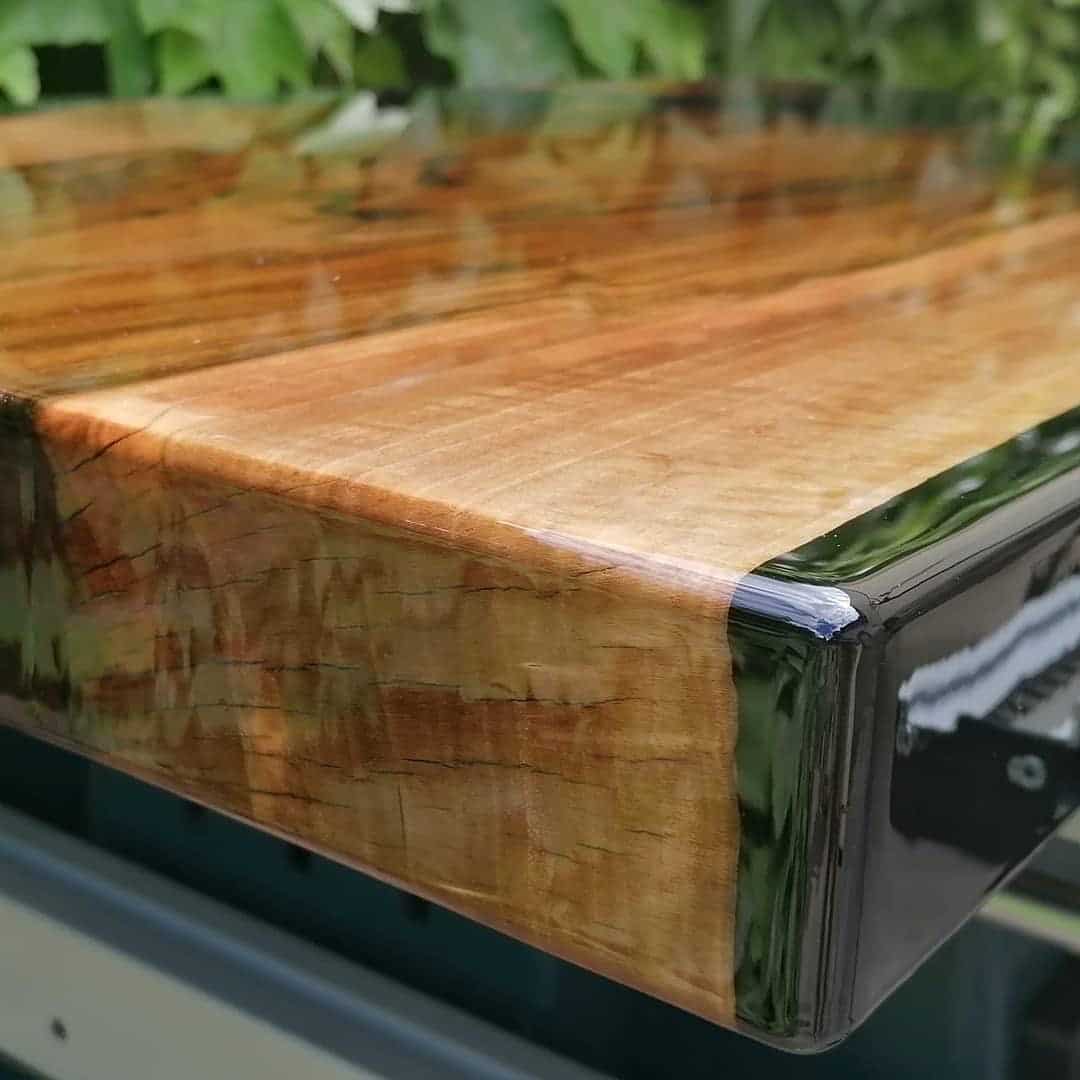
See the process from pouring layers to final cure for inspiration. Notice how proper workspace setup, careful pouring, and patience during curing deliver exceptional, glass-like finishes in furniture and artistic projects alike.
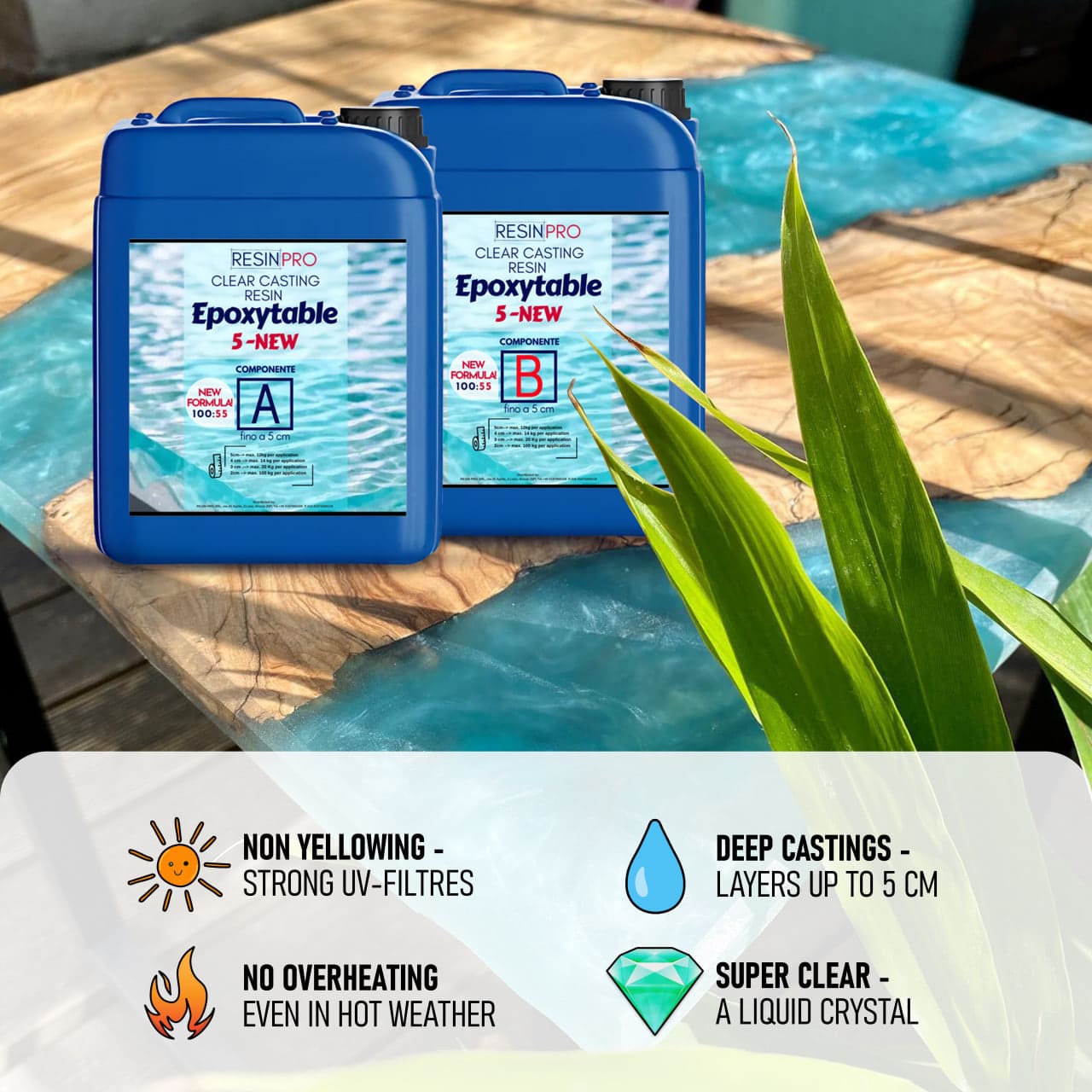
- "EpoxyTable 5-Five" – Deep Pour Epoxy Resin for Tables and Large Projects – Up to 5cmPrice range: £16.85 through £1,099.85"EpoxyTable 5-Five" is suitable for deep pour epoxy resin projects such as tables and large artworks, designed for layers up to 5cm.
- “Epoxytable 10-Ten” – Deep Pour Epoxy Resin for Tables, Up to 10cm CastingPrice range: £33.85 through £334.85“Epoxytable 10-Ten” is a resin designed for deep pour projects such as tables, offering clarity and UV resistance with a low viscosity suitable for…
 "Trasparente" – Multipurpose Clear Epoxy Resin for Casting – Up to 2cmPrice range: £8.45 through £948.85"Trasparente" offers a clear, self-levelling finish suitable for detailed casting and DIY projects up to 2cm depth.
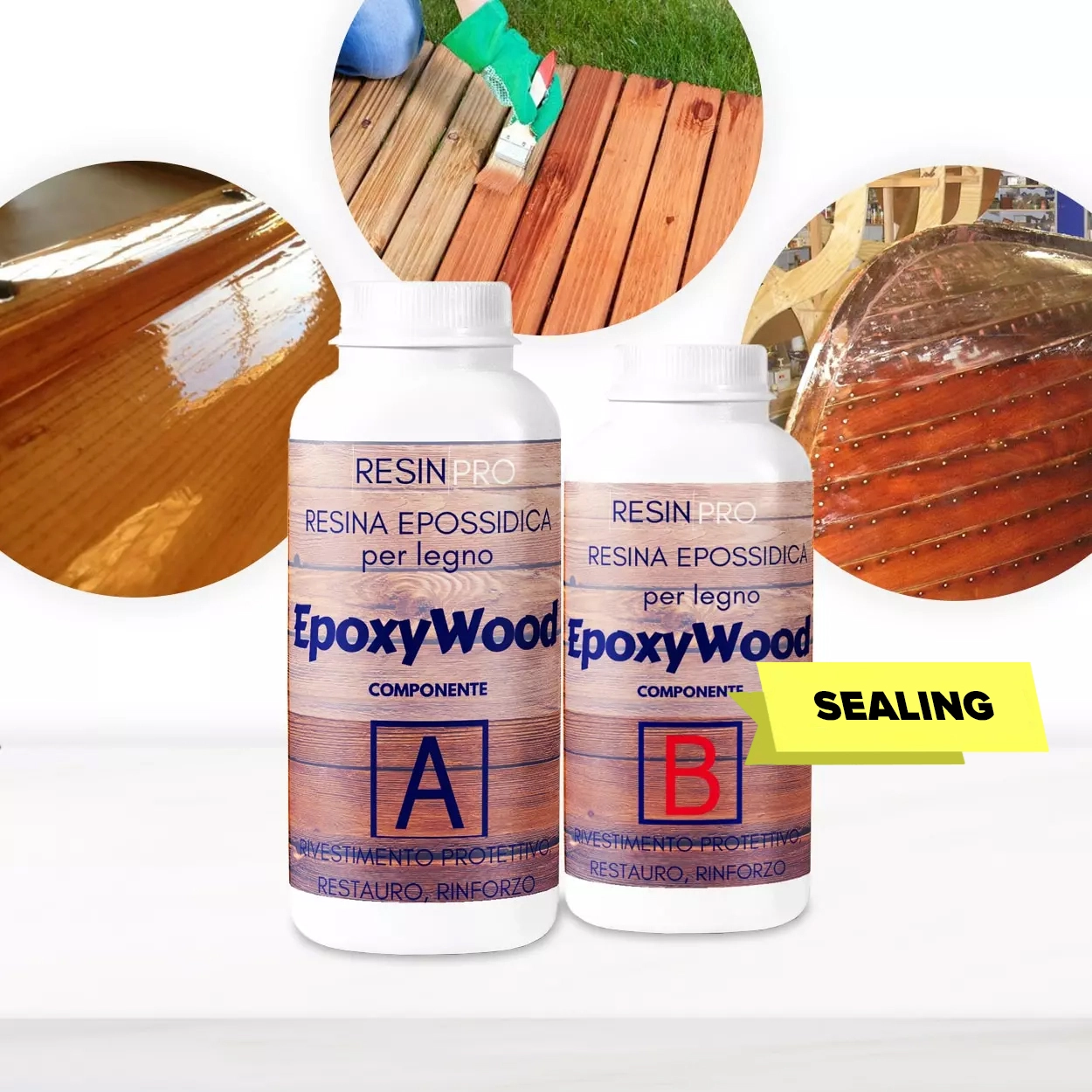 "EpoxyWood" – Wood Restoration Epoxy Resin for Deep Penetration and WaterproofingOriginal price was: £64.00.£39.85Current price is: £39.85."EpoxyWood" is suitable for repairing and sealing wood, providing a waterproof finish with a natural straw-yellow tint.
Frequently Asked Questions
How do I prevent bubbles when pouring epoxy resin?
Mix slowly and carefully to minimise air introduction. Once poured, use a heat gun or gentle exhalation over the surface to encourage bubbles to rise and pop. Pouring in thinner layers also helps reduce trapped air, especially in deep pouring projects.
Can I use epoxy resin for both thin coatings and deep pours?
Yes, but select the right product for your specific layer thickness. Use multipurpose clear resin for layers up to 2cm, deep pour resins for 5cm–10cm, and never exceed the product’s maximum recommended depth to avoid curing or overheating problems.
What should I do if my epoxy resin stays sticky or soft after curing?
This usually points to incorrect measuring or incomplete mixing. Remove uncured resin, sand the area, and reapply, taking care to follow ratio and mixing steps accurately next time.
How do I achieve a perfectly clear surface in my finished piece?
Keep your work area dust-free, mix and pour with care, and address bubbles immediately after pouring. Early sanding and a final clear coat can fix surface flaws and restore clarity.
Is epoxy resin safe to use indoors?
Most modern resins are non-toxic once cured, but always work in a ventilated space, use gloves, and avoid inhaling any fumes while mixing or pouring. Follow manufacturer safety advice for your chosen resin.
Can I sand epoxy resin after curing?
Yes, fully cured epoxy resin can be sanded to correct flaws or refine the finish. Use progressively finer grit sandpaper and clean thoroughly before any further coating.
Why did my resin turn yellow or cloudy?
Prolonged UV exposure, using a non-UV-stabilised resin, or mixing errors can cause yellowing or cloudiness. Always use UV-filtered products for projects that require clarity and resist yellowing with time.
“Epoxytable 10-Ten” – Deep Pour Epoxy Resin for Tables, Up to 10cm Casting
Deep pour epoxy resin for tables and large artistic castings up to 10cm thickness with measures to avoid overheating.