 Free shipping on orders over £29,85
  Shipping Tracking!


 Google
 Facebook
← Back to What does epoxy mean?
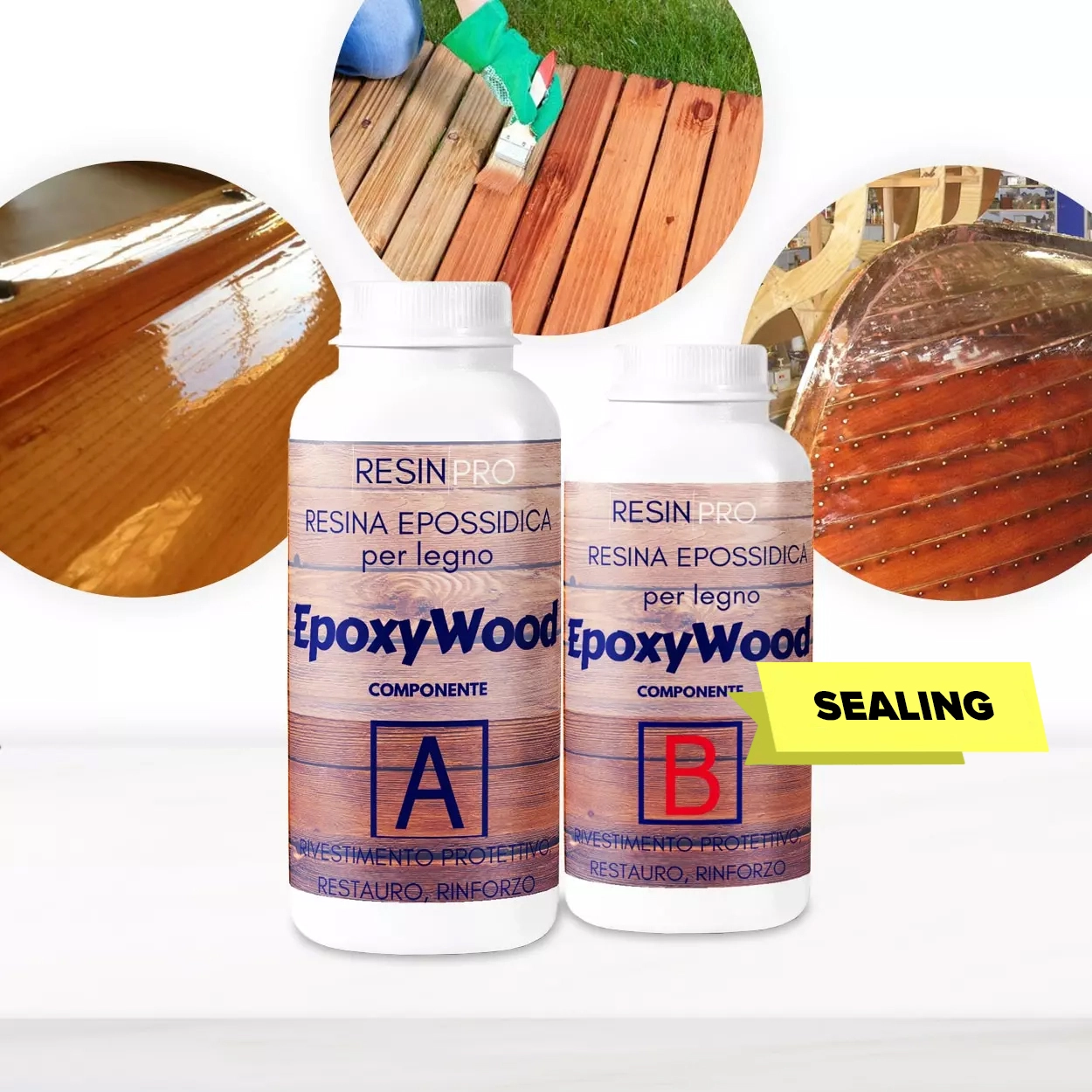
Ultra-low viscosity epoxy resins are essential for fully penetrating the micro-pores of wood, ensuring structural reinforcement and effective, long-term protection. This guide explains the role and advantages of deep-penetration epoxies in wood restoration projects.
Why Ultra-Low Viscosity Matters
Epoxy resins with ultra-low viscosity spread and flow far more readily than standard formulas. When applied to wood, they can seep deeply into the finest pores and cracks. This thorough saturation not only bonds and stabilises the timber but also helps prevent future moisture ingress, safeguarding wood from rot and deterioration.
Using Epoxy for Wood Restoration
To maximise deep penetration, it’s crucial to prepare the wood surface by ensuring it is completely dry and sanded clean. Apply an epoxy product specifically formulated for restoration, such as EpoxyWood – Wood Restoration Epoxy Resin. This resin is designed to wick into damaged or porous wood, reinforce from within, and create a waterproof barrier that preserves the wood’s natural grain and look.
- Choose solvent-free, eco-conscious epoxy for safety and environmental benefits.
- For best results, apply multiple thin coats, allowing each to soak in.
When Deep Penetration is Needed
Ultra-low viscosity epoxies are most valuable when dealing with old, dried, or weather-worn wood. Whether restoring antique furniture, repairing windowsills, or sealing boat hulls, deep penetration ensures the wood regains strength throughout and isn’t just coated on the surface.
Related products
Related guides
Understanding the benefits of ultra-low viscosity epoxy unlocks better results in wood restoration and protection. For more on epoxy’s properties and uses, explore our comprehensive insights on what epoxy means in modern materials science and repair.