 Free shipping on orders over £29,85
  Shipping Tracking!


 Google
 Facebook
How to apply epoxy resin on a helmet?
Transforming a helmet with an epoxy resin finish gives it a stunning, high-gloss appearance and added protection. This guide walks you through each stage, ensuring both safety and a flawless result. Whether upgrading a bike or sports helmet, these steps are applicable to most hard-shelled helmets and will help you achieve a clear, professional coat that stands out and endures everyday wear.
Create a durable, high-gloss finish for helmets with epoxy resin


What You’ll Need
- “Art Pro” – Clear Epoxy Resin for Artists and Surface Coating: Delivers a glossy, durable finish ideal for curved surfaces like helmets.
- “Trasparente” – Multipurpose Clear Epoxy Resin for Casting – Up to 2cm: Suitable for thicker coats where needed, offering strong clarity.
- “Icrystal” – Clear Epoxy Resin – Odourless Formula – Up to 1.5cm: Useful for those seeking an odourless option for indoor use.
- Gas Heat Gun for Epoxy Resin – Precision Tool for Bubble Removal and Finishing: Helps achieve a smooth, bubble-free finish after pouring the resin.
- Protective gloves, disposable apron and mask
- Fine sandpaper (grit 400–800)
- Lint-free cleaning cloths
- Mixing sticks, measuring cups and masking tape

Visual Guide to Epoxy Helmet Prep and Application
See close-ups of helmet sanding, mixing epoxy resin, careful brush application, and the gradual build-up of high-gloss layers. Good preparation ensures flawless, long-lasting results. Discover supporting accessories for resin application.

Step 1: Prepare the Helmet Surface
Safety and preparation are the foundation for a flawless resin finish. Start by removing any removable parts such as visors or padding. Wash the helmet surface with mild detergent and warm water, then dry thoroughly. Lightly sand the outer surface with fine grit sandpaper (400–800 grit) to create a textured base for the resin to grip. Wipe away all dust and residues with a lint-free cloth. Mask off any areas you wish to keep resin-free, such as interior edges or vents.
Clean the helmet thoroughly before resin application — residue or dust can prevent adhesion or create imperfections in your finish.
Step 2: Mix the Epoxy Resin
Carefully follow the mixing instructions for your chosen epoxy resin. Most helmet projects benefit from a clear, medium-viscosity resin like “Art Pro” – Clear Epoxy Resin for Artists and Surface Coating thanks to its reliable clarity and easy 3:2 mix ratio. For those sensitive to odours or working indoors, “Icrystal” – Clear Epoxy Resin – Odourless Formula – Up to 1.5cm offers a more comfortable working experience.
Pour the resin and hardener into a clean mixing cup, measuring accurately. Stir gently but thoroughly using a mixing stick, scraping the sides and base to avoid unmixed patches. Mix until fully combined and clear, but avoid vigorous agitation (which can introduce extra bubbles).
Step 3: Apply the Resin Evenly
Set up your workspace in a well-ventilated, dust-free area with stable temperature. Place the helmet on a raised stand or support so that the resin can drip freely off its edges without sticking to any surfaces. Using a disposable foam brush or spreading tool, apply the resin in thin, even layers. Work methodically, starting at the top and working downwards to avoid runs or thick spots.
Use thin, even coats for best clarity — this prevents drips, reduces bubbles, and makes for a more uniform finish.

Step 4: Remove Bubbles and Let Cure
After application, inspect the surface for air bubbles. If present, lightly sweep a Gas Heat Gun for Epoxy Resin – Precision Tool for Bubble Removal and Finishing across the resin, just above the surface and in quick, controlled motions to release bubbles. Avoid staying in one spot to prevent overheating. Once you are satisfied, move the helmet to a dust-free area and allow it to cure fully according to the resin’s directions (usually 12–24 hours for most surface coatings).
Allow full cure time before handling — premature handling can mark or dent the glossy finish.

Tips, Common Mistakes, and Troubleshooting
Avoid working in dusty or humid areas, as airborne particles and moisture can mar the finish or affect curing. Test compatibility on a small hidden area first, especially if your helmet has graphics or existing coatings. Always wear gloves, eye protection, and a mask when handling uncured resin, and dispose of tools and waste responsibly. If drips form on the lower edge, you can sand them gently with fine grit paper once fully cured and, if desired, polish the surface for extra shine.
Surface Perfection Techniques in Action
Action shots reveal how subtle heat gun passes pop bubbles and how thin coats deliver crystal clarity. Consistent application avoids imperfections and enhances durability. Explore high-gloss resins ideal for surface coating.

- "Art Pro" – Clear Epoxy Resin for Artists and Surface CoatingPrice range: £31.15 through £388.85"Art Pro" clear epoxy resin is designed for artists and crafters seeking durable, high-gloss transparent finishes suitable for various decorative…
- "Trasparente" – Multipurpose Clear Epoxy Resin for Casting – Up to 2cmPrice range: £8.45 through £948.85"Trasparente" offers an ultra-clear, self-levelling epoxy resin suitable for up to 2 cm layers in various DIY and craft projects.
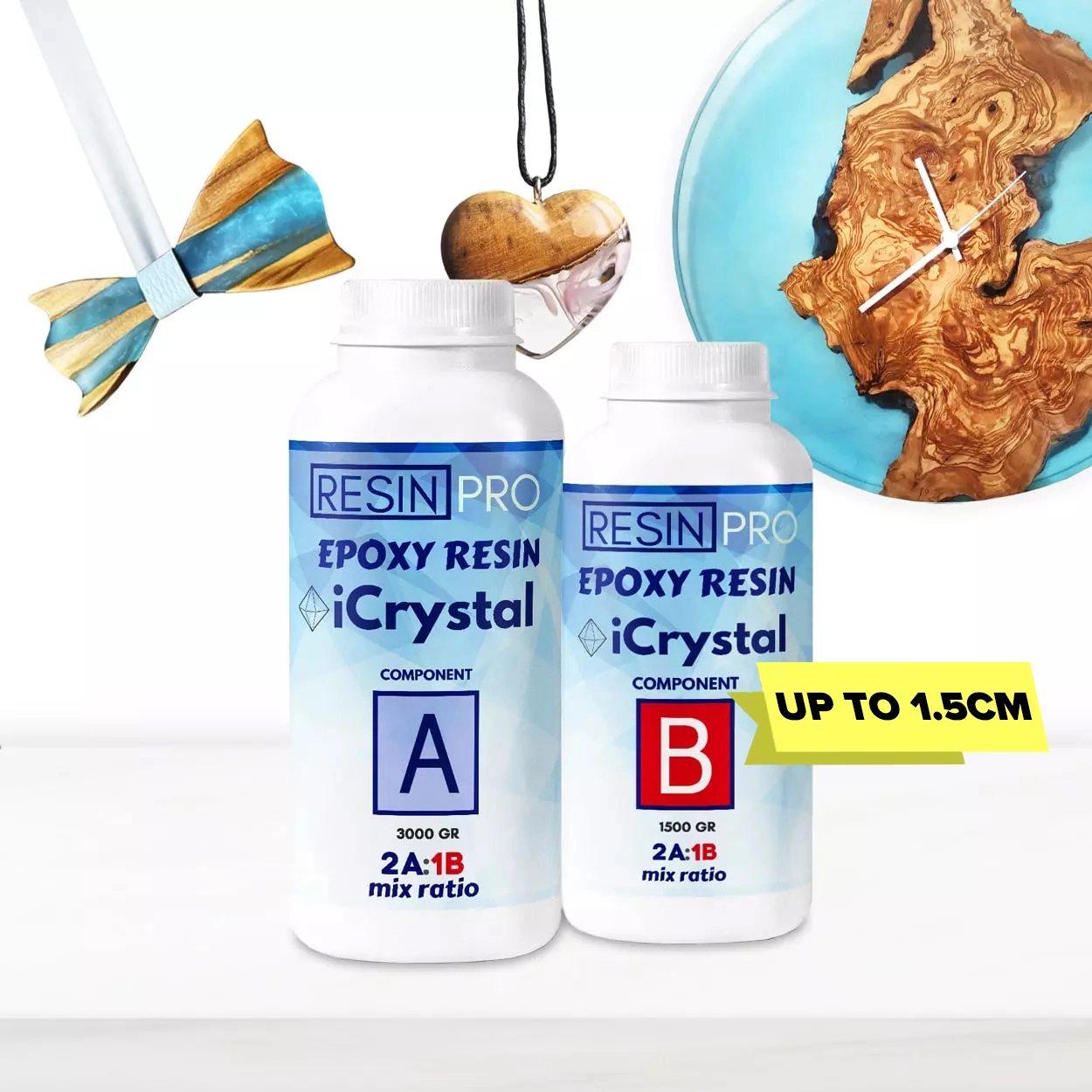 "Icrystal" – Clear Epoxy Resin – Odourless Formula – Up to 1.5cmPrice range: £11.65 through £954.85"Icrystal" Clear Epoxy Resin offers high transparency and odourless use, suitable for coatings and artistic projects.
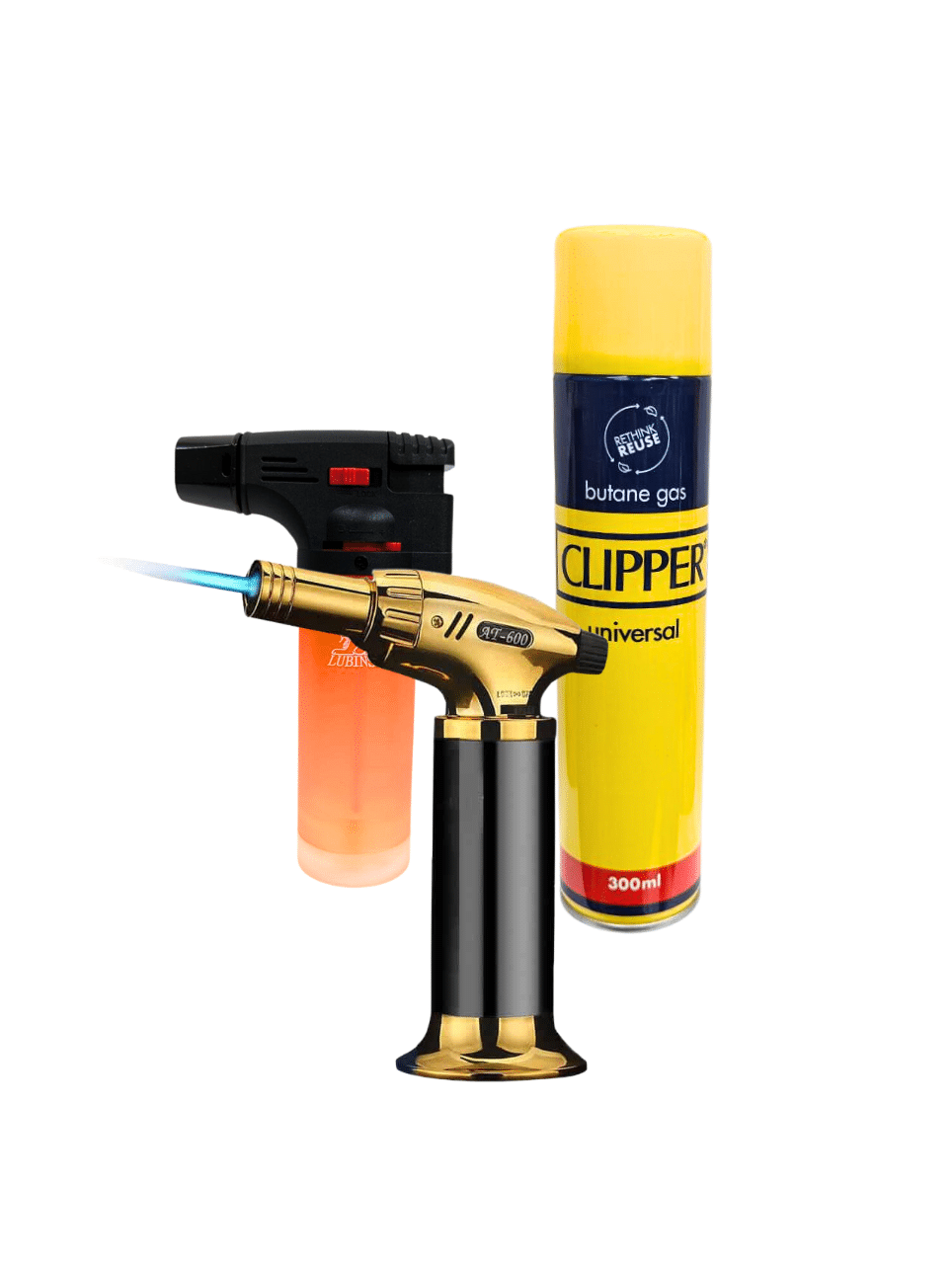 Gas Heat Gun for Epoxy Resin – Precision Tool for Bubble Removal and FinishingPrice range: £4.15 through £13.85The Gas Heat Gun is a lightweight tool designed to reduce bubbles and improve epoxy resin finishes.
Frequently Asked Questions
How many coats of epoxy resin should I use on a helmet?
Typically, one to two thin coats are enough for a smooth, durable finish. Ensure each coat fully cures before applying the next.
Can any epoxy resin be used for helmet coating?
Not all epoxy resins are suitable. Choose resins designed for surface coating, offering clarity and durability on curved surfaces.
How do I prepare my helmet before applying epoxy resin?
Clean and lightly sand the outer surface, remove all loose or oily residues, and mask off areas you don't want covered.
How can I avoid or remove bubbles during resin coating?
Gently mixing the resin helps avoid bubbles, and using a gas heat gun above the surface eliminates most bubbles after pouring.
Is my helmet safe to use after coating with epoxy resin?
Once fully cured, the resin forms a hard, inert surface. Only apply to the exterior — never alter structural or foam components.
What's the best type of epoxy resin for helmet applications?
Medium-viscosity, clear, UV-resistant epoxy resins made for surface coating work best for helmet finishes.
How do I fix drips or runs in the epoxy resin finish?
Allow resin to fully cure, then sand drips flat with fine sandpaper and polish if needed to restore gloss.