 Free shipping on orders over £29,85
  Shipping Tracking!


 Google
 Facebook
← Back to How to apply artificial resin?
Bubbles are a common issue when working with artificial resin, often detracting from a glass-like finish. Fortunately, there are reliable ways to avoid or remove trapped air for beautifully clear results.
Techniques to Prevent Bubble Formation
The key to bubble-free resin starts during the mixing and pouring process. Pour the resin slowly and steadily to minimise the introduction of air. Allow the mixture to settle for a few minutes—this gives trapped bubbles a chance to rise naturally before the resin starts setting.
- Mix at a gentle, consistent speed
- Let mixed resin rest for a short period
- Pour in thin layers to reduce air entrapment
Tools for Removing Bubbles Before Curing
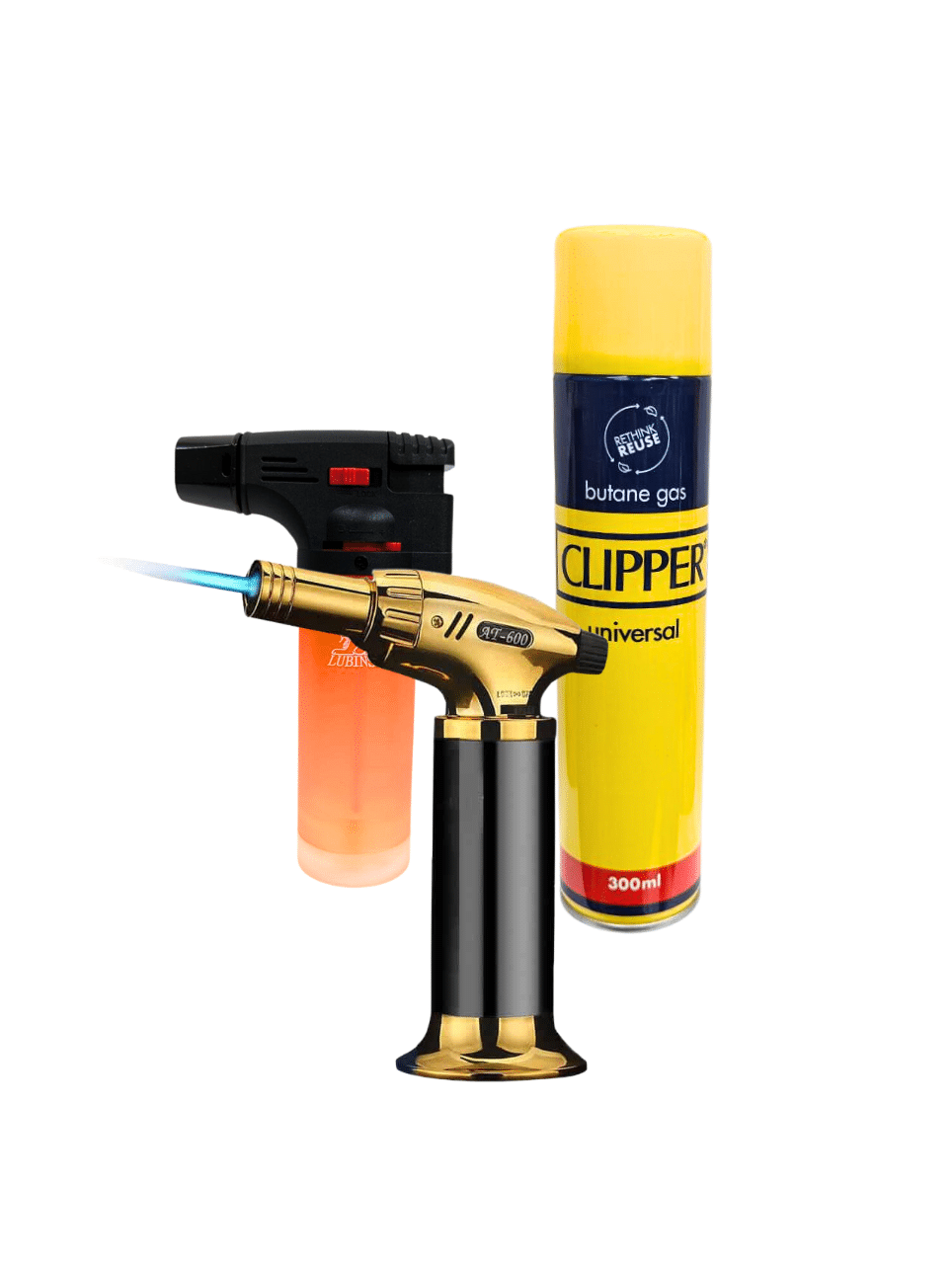
If small bubbles still appear, careful use of a heat source can help them escape. Move a precision heat gun gently and evenly above the resin surface. This encourages bubbles to pop without disturbing your project. Alternatively, a notched Tooth Shaped Spatula for Epoxy Resin Application can help apply the resin smoothly, which also minimises defect formation, including bubbles.
When Bubble Control Matters Most
Bubble prevention is crucial for clear castings, jewellery, table coatings, and any piece where a high-gloss, transparent effect is desired. In decorative or artistic projects, careful bubble management ensures the finished result looks polished and professional.
Related products
Related guides
By taking time with your resin application and using the right tools, you can achieve superbly smooth, bubble-free finishes. For further guidance on working with artificial resin, see our main advice page on how to apply artificial resin.