 Free shipping on orders over £29,85
  Shipping Tracking!


 Google
 Facebook
← Back to How to apply resin on a kitchen wall?
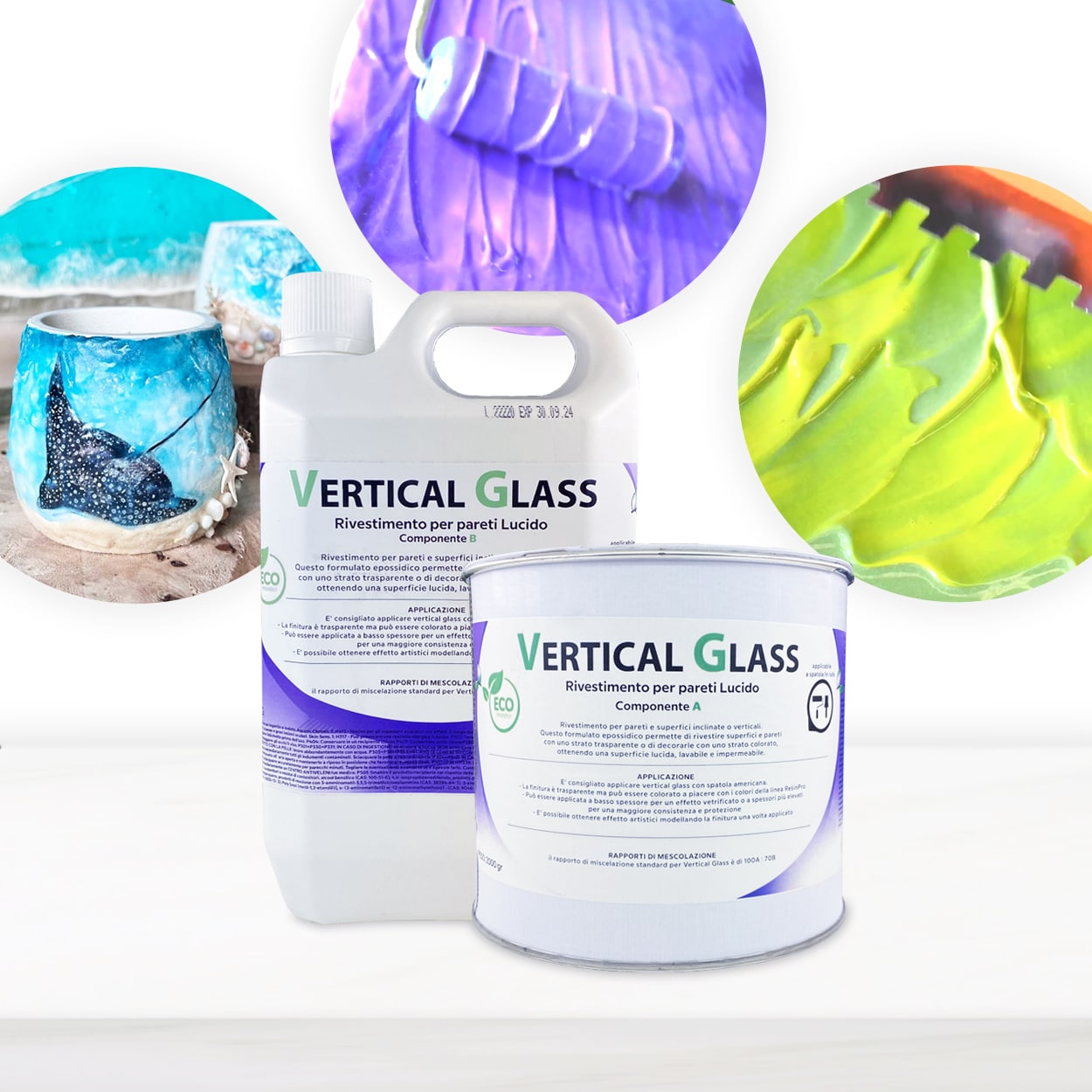
Resin wall coverings have become increasingly popular in modern kitchens for their sleek aesthetics and superb moisture resistance. If you’re considering resin as a protective layer, it’s useful to understand just how waterproof these coatings truly are.
The Waterproof Advantage of Resin Wall Coverings
Once fully cured, a professionally applied resin coating forms a seamless, non-porous layer over your kitchen walls. This continuous surface blocks water, steam, and spills from penetrating the substrate beneath, making resin ideal for wet zones like behind sinks or hobs. Products such as “Vertical Glass” resin coatings are designed specifically to offer this highly effective water barrier, supporting both hygiene and long-term surface durability.
How to Ensure Lasting Waterproof Protection
Getting a waterproof result relies on meticulous application. The resin must be spread evenly using suitable tools such as short-pile rollers or spatulas, ensuring all gaps and joins are filled. Careful surface preparation—cleaning and slightly sanding—the wall is essential before applying resin. Allow for complete curing time as specified by the product instructions to guarantee the coating hardens properly for full moisture resistance.
When Waterproofing Your Kitchen Walls Matters
- If your kitchen sees frequent cooking, splashing, or steam, waterproof resin wall coverings help keep surfaces easy to clean and stain-free.
- For new installations or renovations, resin can be a reliable choice for areas exposed to water, reducing the risk of hidden moisture damage or mould.
Related products
Related guides
Resin wall coverings offer a blend of modern style and peace of mind when it comes to waterproof protection in kitchens. To learn about the step-by-step process, visit our comprehensive guide on how to apply resin on a kitchen wall.