 Free shipping on orders over £29,85
  Shipping Tracking!


 Google
 Facebook
← Back to How to apply resin on a kitchen wall?
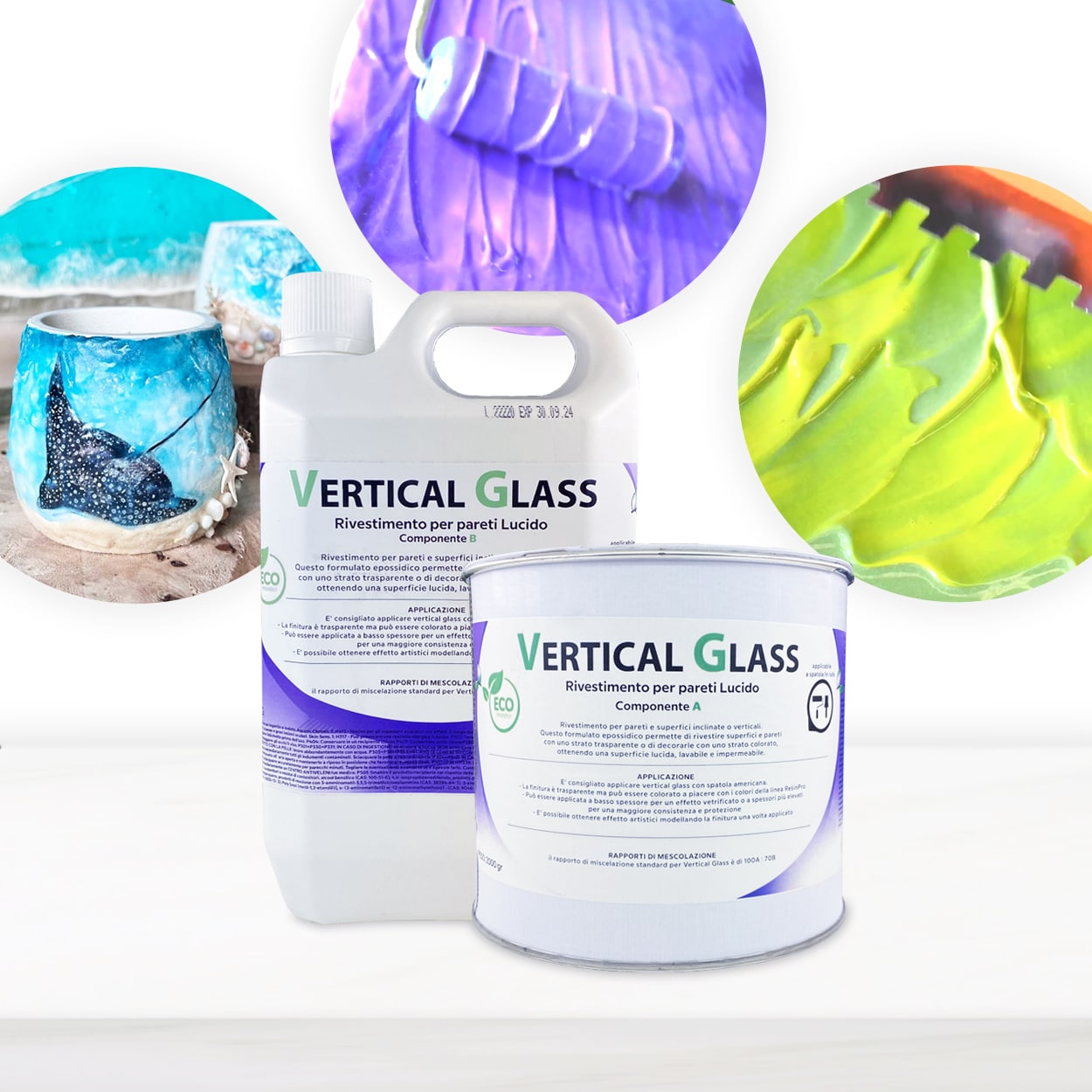
Applying resin to a vertical wall presents unique challenges, with drips and sags being a top concern. With careful preparation and the right approach, you can achieve a smooth, professional finish every time.
Choose the Right Resin for Vertical Work
Not all resins are created equal when it comes to vertical applications. Standard self-levelling formulations can run down the wall, making neat finishes difficult. Instead, opt for a non-self-levelling product specifically developed for vertical use, such as “Vertical Glass” – Thick Resin Decorative Wall Coating. Its denser texture helps keep the resin in place, reducing the risk of sags while maintaining your design detail.
Application Techniques to Prevent Drips
Success starts with how the resin is applied. Work in small sections and apply in very thin coats, building up protection gradually. Using a spatula is ideal for spreading resin evenly on tiles, wood, or bricks. For precision, short-pile rollers or small detail brushes can help control the coating and minimise excess material that causes drips.
When This Matters: High-Moisture & Decorative Finishes
Preventing resin drips is crucial in kitchen settings and other high-moisture areas, where the appearance and longevity of wall finishes matter most. Decorative walls, splashbacks, or surfaces with intricate designs particularly benefit from products and techniques that guard against runs, ensuring your custom look is preserved.
Related products
Related guides
By choosing suitable resin and applying careful technique, you can confidently coat vertical kitchen walls without worrying about drips or sags. For more detailed steps and broader guidance, explore our main guide on how to apply resin on a kitchen wall.