 Free shipping on orders over £29,85
  Shipping Tracking!


 Google
 Facebook
How to prepare for epoxy resin?
Preparing for epoxy resin projects is crucial to achieving a high-quality finish, preventing bubbles, and maintaining safety. This guide provides step-by-step instructions for setting up your workspace, handling materials, and using effective techniques, whether you’re a newcomer or a seasoned resin artist.
Step-by-step guide for a clean, organised resin workspace
What You’ll Need
- Mixing Buckets Kit for Epoxy Resin Art – Easy Clean Flexible Design – Flexible buckets make resin mixing cleaner and easier.
- Pure Isopropyl Alcohol 99.9% – 1000ml Bottle for Epoxy Resin Projects & DIY – For surface preparation and bubble removal.
- Disposable gloves and protective clothing – To keep your hands and skin safe from accidental spills.
- Plastic sheet, silicone mat, or disposable covering – Protects your work surface from resin drips.
- Stir sticks, measuring cups, and paper towels – For precise mixing and easy clean-up.
Workspace preparation checklist
Before starting, ensure you have a clean, covered work surface, all protective gear in place, and ventilation arranged for fume safety. Have measuring tools and cleaning supplies ready for efficient workflow.
Step 1: Clear and Organise Your Work Area
Clear and organise your work area before bringing out any resin supplies. Select a flat, dust-free surface away from direct sunlight and drafts, as uneven temperature or airflow can affect curing. Lay down a plastic sheet or silicone mat to protect your workspace from spills. Have a rubbish bin close at hand and ensure good ventilation to minimise inhalation of fumes during mixing and pouring.
Step 2: Prepare Your Tools and Materials
Set out all the tools you’ll need—stir sticks, mixing containers, gloves, and paper towels—so they are within easy reach. Ensure your Mixing Buckets Kit for Epoxy Resin Art – Easy Clean Flexible Design is clean and dry before use. Check that all surfaces and moulds are dust-free, as even small particles can affect the clarity and finish of your project. This step helps prevent time-wasting and accidents once you start handling chemicals.
Step 3: Ensure Surface and Mould Cleanliness
Any contamination can cause flaws in your resin casting. Carefully wipe moulds and surfaces with Pure Isopropyl Alcohol 99.9% – 1000ml Bottle for Epoxy Resin Projects & DIY to remove grease, dust, and particles. Let alcohol evaporate entirely before pouring resin. Never use water, as residue can interfere with resin chemistry. Cleanliness at this stage helps produce bubble-free, glossy results.
Step 4: Measure and Mix the Resin Properly
Accurately measure the resin and hardener according to the manufacturer’s guidelines. Use separate containers if your project involves pigments or additives. Measure resin and hardener accurately as incorrect ratios may result in soft or sticky finishes. Mix resin slowly and thoroughly for at least 2–3 minutes, scraping the sides and bottom of the bucket. This step is vital for an even cure and a consistent appearance.

Tips, Common Mistakes, and Troubleshooting
Check material compatibility and cleanliness—using unclean surfaces or the wrong release agents is a leading cause of poor results. Always prepare more mixing containers than you think you need. Work at the recommended temperature (usually between 18°C and 25°C) and avoid humid environments. If you see bubbles after pouring, lightly mist the surface with isopropyl alcohol, but do not over-apply. Remember to wear PPE and keep your workspace free of food and drink.
Avoiding mistakes before you begin
Test your set-up with a small amount of resin if it is your first time. Watch for dust, uneven tables, or sticky areas. A bit of preparation saves hassle during larger pours.

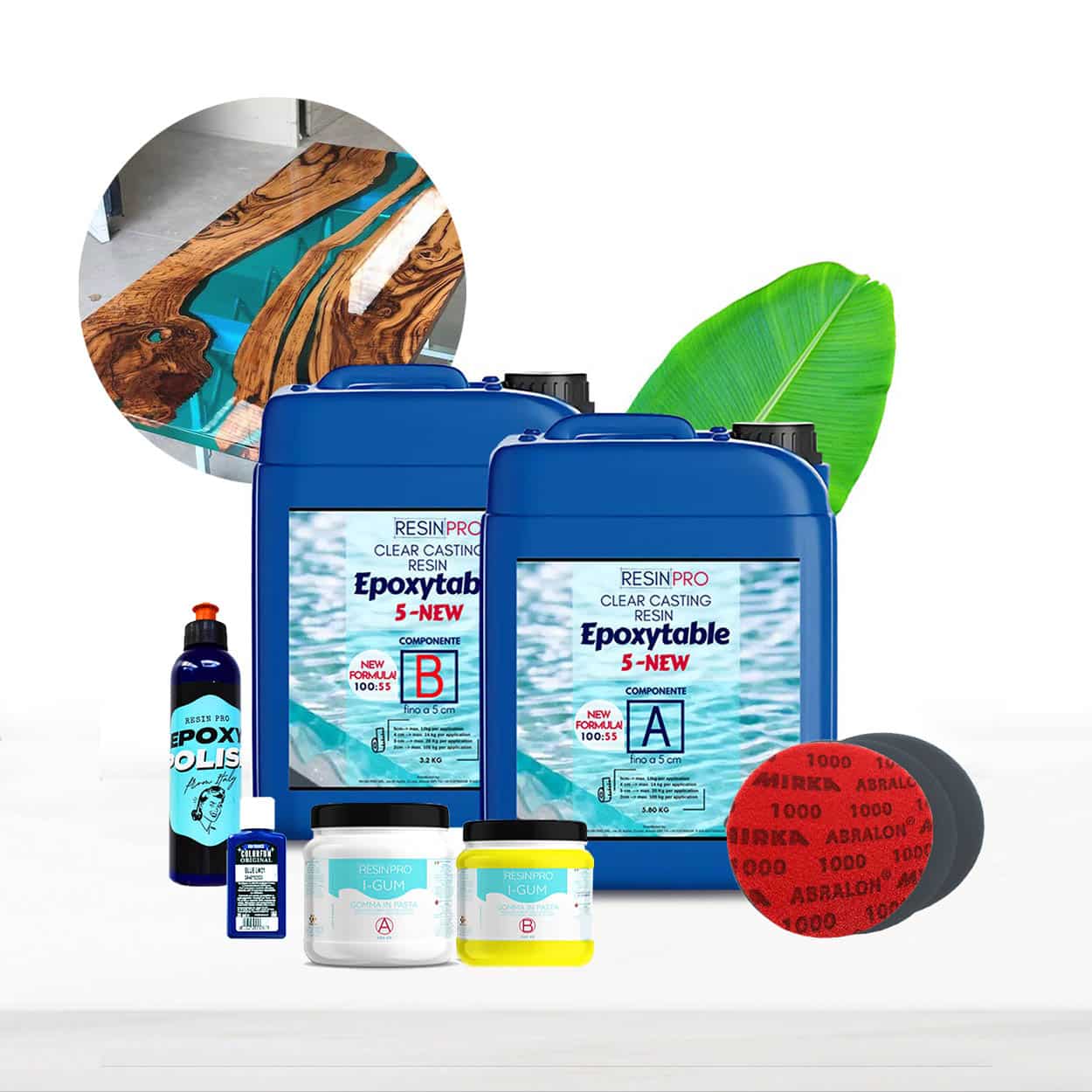
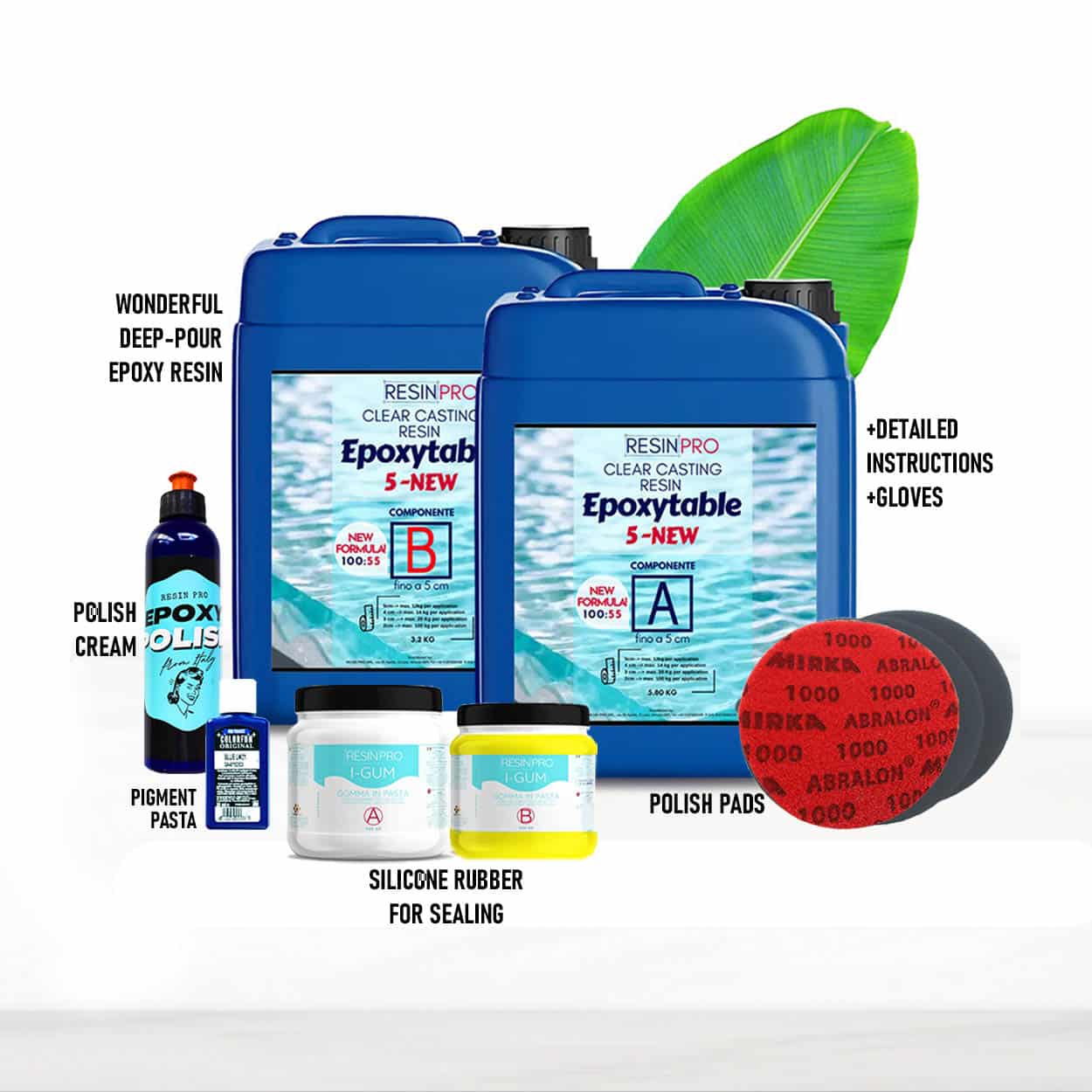
- "River-Table" – Complete Kit for Creating Your First Epoxy Resin TablePrice range: £188.85 through £444.85This complete kit includes epoxy resin, silicone sealant, pigments, and polishing accessories with instructions for creating a wood and resin table.
- Online Video Course – Christmas Tree Decorations Masterclass (Instagram Access)£19.85Step-by-step video course covers techniques for decorating Christmas tree ornaments with resin and inks, designed for preparation guidance.
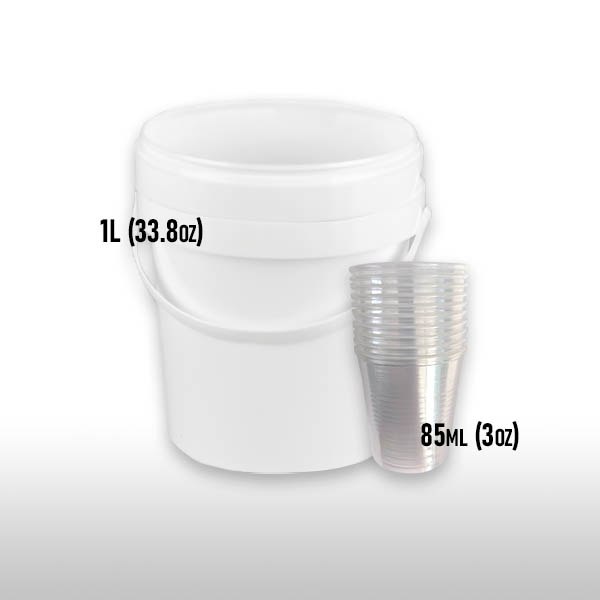 Mixing Buckets Kit for Epoxy Resin Art – Easy Clean Flexible DesignPrice range: £1.95 through £8.35Mixing Buckets Kit designed for easy mixing and cleaning, suitable for resin artists working with epoxy.
 Pure Isopropyl Alcohol 99.9% – 1000ml Bottle for Epoxy Resin Projects & DIYPrice range: £9.85 through £19.85Pure Isopropyl Alcohol 99.9% in a 1000ml bottle is suitable for epoxy resin projects and helps remove bubbles while supporting creative resin effects.
Frequently Asked Questions
How do I prepare my workspace for epoxy resin safely?
Clear your area, use a protective sheet, ensure ventilation and remove dust. Always wear gloves and protective clothing during preparation.
Why is cleaning moulds before using epoxy important?
Dirt, grease, or dust on moulds can cause surface defects or adhesion problems in your finished resin project.
How can I avoid bubbles in my epoxy resin pour?
Mix resin slowly, ensure tools and moulds are clean, and use isopropyl alcohol spray on the surface after pouring to help remove trapped air.
What are common mistakes in epoxy resin preparation?
Rushing the preparation, poor mixing, or failing to measure accurately are the most frequent issues leading to poor results.
What temperature is best for working with epoxy resin?
Ideally, work between 18°C and 25°C. Colder temperatures slow curing; excessive heat causes rapid hardening and defects.
What tools are needed for preparing epoxy resin?
Mixing buckets, stir sticks, gloves, measuring cups, and isopropyl alcohol for cleaning are recommended for best preparation results.