 Free shipping on orders over £29,85
  Shipping Tracking!


 Google
 Facebook
← Back to How do you dry epoxy resin?
Sticky or tacky surfaces are a common issue for epoxy resin users. These problems are typically the result of improper mixing or excessive use of additives and can lead to disappointing finishes on your projects. Here’s how to recognise, prevent, and resolve these issues so your resin work cures perfectly every time.
Understanding Why Epoxy Resin Feels Sticky
Sticky epoxy surfaces usually stem from two main problems: under-mixing the resin and hardener, or adding too much pigment or colourant. When the components are not blended thoroughly, the chemical reaction essential for full curing does not complete. This leaves surfaces tacky, soft, or even liquid in patches. Similarly, overloading your resin mix with colourants can interfere with the curing process, resulting in surfaces that remain sticky far longer than expected.
Practical Tips for Preventing Tacky Surfaces
- Mix thoroughly: Always follow your product’s recommended mixing ratio and stir for at least the suggested duration, scraping the sides and bottom of your container.
- Be conservative with colourants: Only use the recommended amount and avoid overloading your resin with dyes, pigments, or mica powders. Too much can stall the cure.
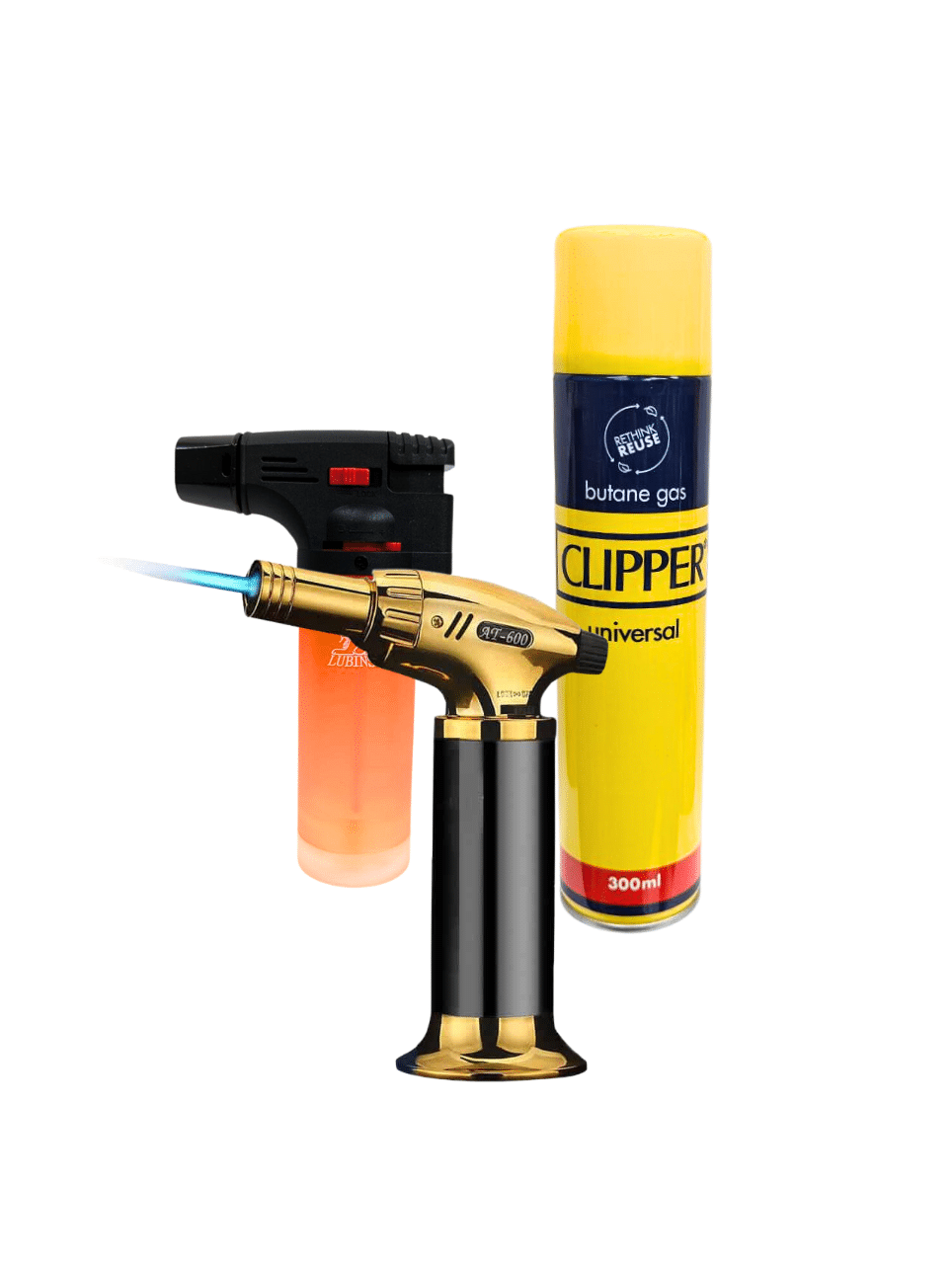
- Use precise tools: Consider using a heat gun to help evenly distribute and blend resin during application, which can also eliminate surface bubbles.
When This Matters Most
This issue is crucial for artists, jewellery makers, and DIY crafters who need consistent, smooth results. Whether creating display pieces or wearable art, preventing sticky resin ensures your work looks and feels professional without costly re-dos.
Related products
Related guides
Addressing sticky surfaces early not only saves your project, but also helps you develop reliable habits for resin mixing. For more detailed guides on resin use and curing, explore our main resource on how to dry epoxy resin.