 Free shipping on orders over £29,85
  Shipping Tracking!


 Google
 Facebook
How to apply resin on kitchen cabinets?
Step-by-step instructions for a flawless kitchen cabinet finish


Applying resin to kitchen cabinets not only transforms their appearance but also provides lasting protection against moisture, scratches, and daily wear. This comprehensive guide walks you through resurfacing your kitchen cabinetry for a professional-grade, glossy finish suitable for busy homes and family kitchens.
What You’ll Need
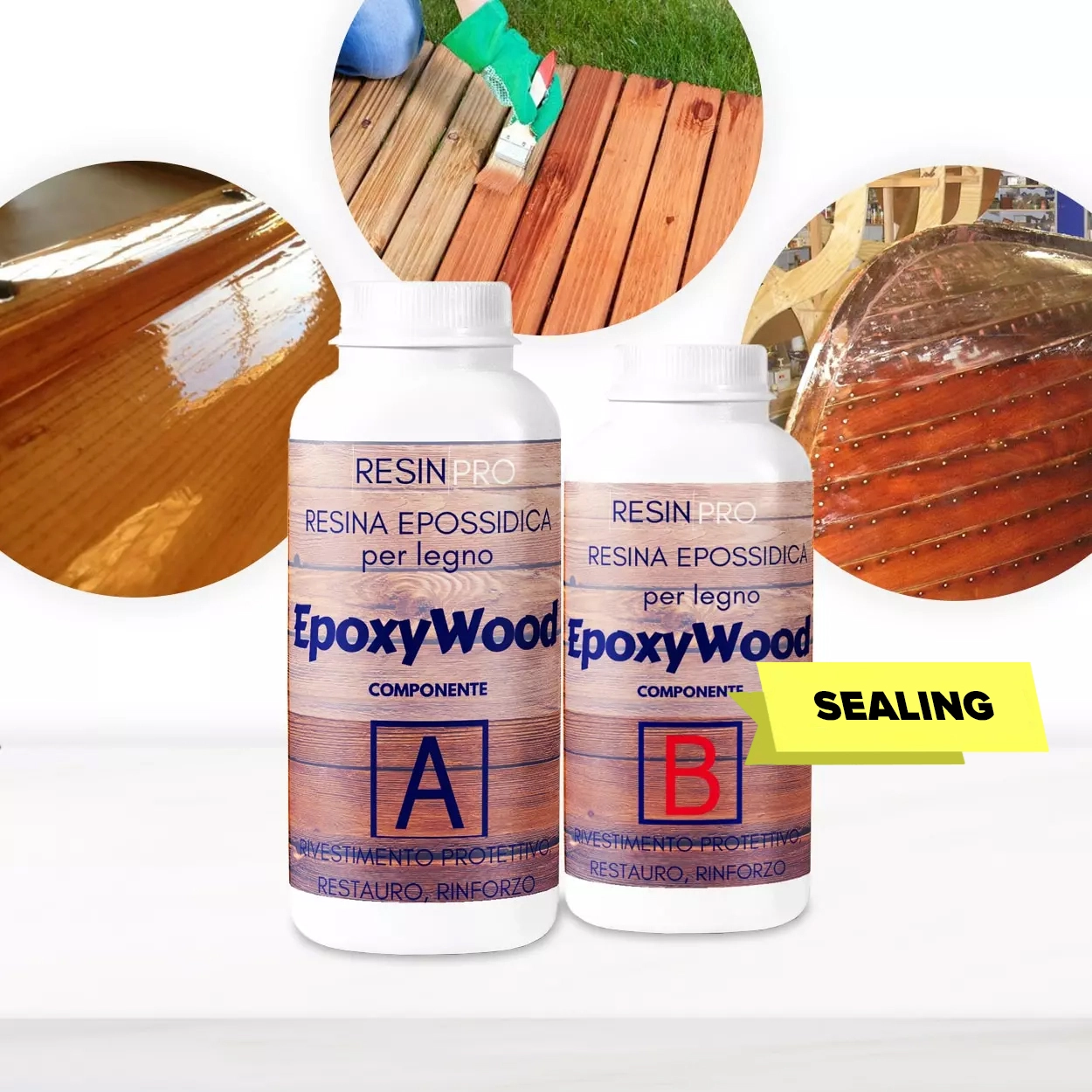
- “EpoxyWood” – Wood Restoration Epoxy Resin for Deep Penetration and Waterproofing: Ideal for reinforcing and waterproofing bare or worn wood.
- “Art Pro” – Clear Epoxy Resin for Artists and Surface Coating: Best for high-gloss, scratch-resistant topcoats.
- “EpoxyFood” – Certified Clear Food Contact Epoxy Resin for Coating: For surfaces needing food-contact safety, especially around worktops and cabinet edges.
- Sandpaper (120–240 grit)
- Cleaning cloths and degreaser
- Protective gloves and safety goggles
- Masking tape and dust sheets
- Mixing containers and stir sticks
- High-quality synthetic brush or roller
Preparing for a Seamless Resin Application
Remove all handles and hinges before starting. This ensures that the resin covers every surface evenly and prevents drips from accumulating around hardware. If painting both sides, wait for one side to cure fully before flipping. Set up on supports or blocks to keep doors elevated and drip-free.

Step 1: Prepare the Cabinet Surfaces
Proper surface preparation prevents adhesion issues and creates a smooth foundation for your resin finish. Remove cabinet doors and hardware for easier access, laying doors flat on dust sheets or a clean workbench. Clean all surfaces thoroughly with a degreaser to eliminate oils, grease, and dust. Once dry, sand every area you plan to coat with 120–240 grit sandpaper, focusing on any patches of worn or previously coated wood. Vacuum away sanding residue. Ensure all surfaces are clean, dry, and thoroughly sanded.
If your kitchen cabinets are made of old or porous wood, consider priming them with “EpoxyWood” – Wood Restoration Epoxy Resin for Deep Penetration and Waterproofing for deep reinforcement and waterproofing prior to topcoat.
Step 2: Plan Your Workspace and Safety
Resin application requires careful handling and a dust-free environment. Cover work areas and adjacent surfaces with dust sheets. Open windows or use extraction fans for ventilation. Prepare all your application tools and read the resin manufacturer’s safety guidelines. Work in a well-ventilated room and wear gloves and eye protection.
Step 3: Mix and Apply the Epoxy Resin
Select your chosen epoxy product based on needs: for food-safe doors or areas near food preparation, use “EpoxyFood” – Certified Clear Food Contact Epoxy Resin for Coating; for a glass-like, scratch-resistant decorative coat, “Art Pro” – Clear Epoxy Resin for Artists and Surface Coating makes an excellent finishing layer. Always follow the manufacturer’s mixing ratio and stir slowly to prevent bubbles. Carefully measure and mix resin and hardener according to instructions.
Pour the mixed resin into a tray or use a clean brush/roller. Apply a thin, even first coat, brushing out in one direction. Avoid overworking the resin. If necessary, lightly sand between coats and remove dust before recoating. For best results and gloss, two or three coats may be applied. Apply each coat in thin, even layers to avoid drips.

Step 4: Curing and Finishing Details
Once your final coat is applied, allow ample time for the resin to cure as specified by your chosen product. Protect curing surfaces from dust, pets, and accidental touches. Avoid handling or refitting hardware until fully hard and non-tacky. Allow adequate curing time between coats for the best durability.
After full cure, reattach doors and hardware. Your cabinets are now beautifully sealed with a professional-grade resin finish that offers robust protection and eye-catching sheen.

Tips and Troubleshooting
Work in manageable batches and avoid humid or very cold conditions to prevent clouding or slow cures. For extra durability in high-use kitchens, consider reinforcing older wood with an initial coat of EpoxyWood before applying your decorative resin coats. Watch for drips along cabinet edges and smooth them immediately with a brush.
If bubbles form during application, use a heat gun lightly over the wet resin, holding it at a safe distance to avoid scorch marks. Gently sand away any imperfections between coats and wipe with a lint-free cloth. Always verify food safety if coatings may come into contact with foodstuffs.
Beautiful Results: Finished Resin Kitchen Cabinets
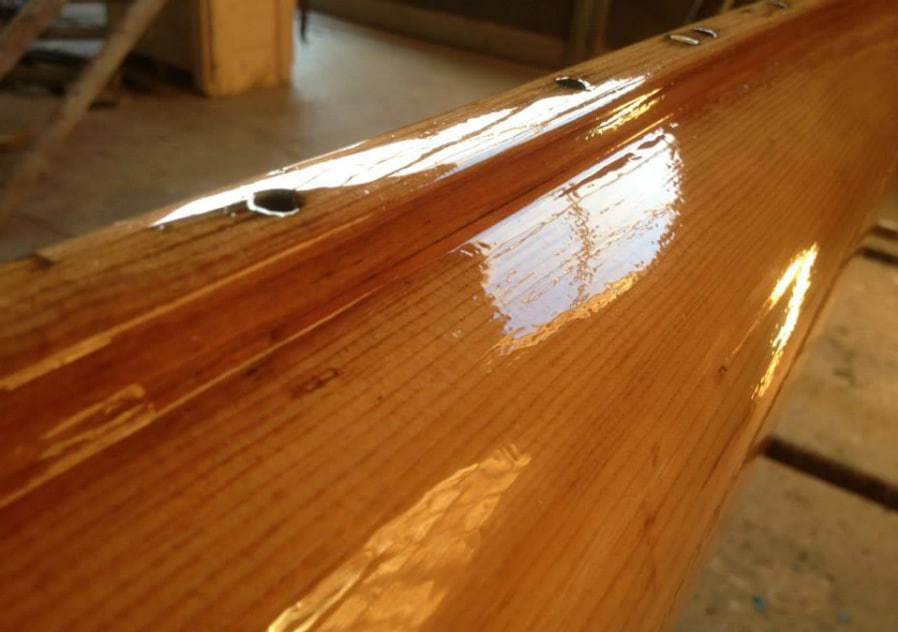
Resin achieved a luxurious, glass-like finish on these kitchen cabinets. The result is a waterproof, easy-clean, and highly durable surface ideal for busy kitchens. The right product choice ensures long-term clarity and resistance to yellowing from daily use, UV exposure, and cleaning.
- "EpoxyWood" – Wood Restoration Epoxy Resin for Deep Penetration and WaterproofingOriginal price was: £64.00.£39.85Current price is: £39.85."EpoxyWood" is designed for deep wood penetration and waterproofing, suitable for restoration with a subtle natural finish.
- "Art Pro" – Clear Epoxy Resin for Artists and Surface CoatingPrice range: £31.15 through £388.85Art Pro clear epoxy resin offers durable, scratch-resistant finishes with UV protection, suitable for artists and crafters.
 "EpoxyFood" – Certified Clear Food Contact Epoxy Resin for CoatingOriginal price was: £39.00.£32.85Current price is: £32.85."EpoxyFood" is a food-safe transparent resin designed for coating items such as plates and cutting boards with clarity and a glossy finish.
 "Trasparente" – Multipurpose Clear Epoxy Resin for Casting – Up to 2cmPrice range: £8.45 through £948.85"Trasparente" clear epoxy resin is suitable for detailed castings and small projects with up to 2cm layer thickness.
Frequently Asked Questions
Is epoxy resin waterproof on kitchen cabinets?
Yes, properly applied epoxy resin forms a waterproof barrier that protects cabinet surfaces from moisture and stains.
Which resin should I use for kitchen cabinets near food-contact zones?
For areas exposed to food, use a food-contact certified resin such as EpoxyFood for optimal safety.
Can I apply resin over laminate or painted cabinets?
Yes, but sand the surface thoroughly for better adhesion and ensure all old finishes are cleaned and abraded first.
Is epoxy resin heat resistant enough for kitchen use?
Epoxy provides good heat resistance for most kitchen use, but avoid direct contact with hot pots and pans.
How do I achieve a glossy, streak-free resin finish on kitchen cabinets?
Apply two to three thin, even coats and allow full curing between layers for maximum shine and clarity.
How long does epoxy resin take to cure on kitchen cabinets?
Most resins cure within 24 to 72 hours. Full hardness for reassembly may take up to 7 days depending on product and conditions.