 Free shipping on orders over £29,85
  Shipping Tracking!


 Google
 Facebook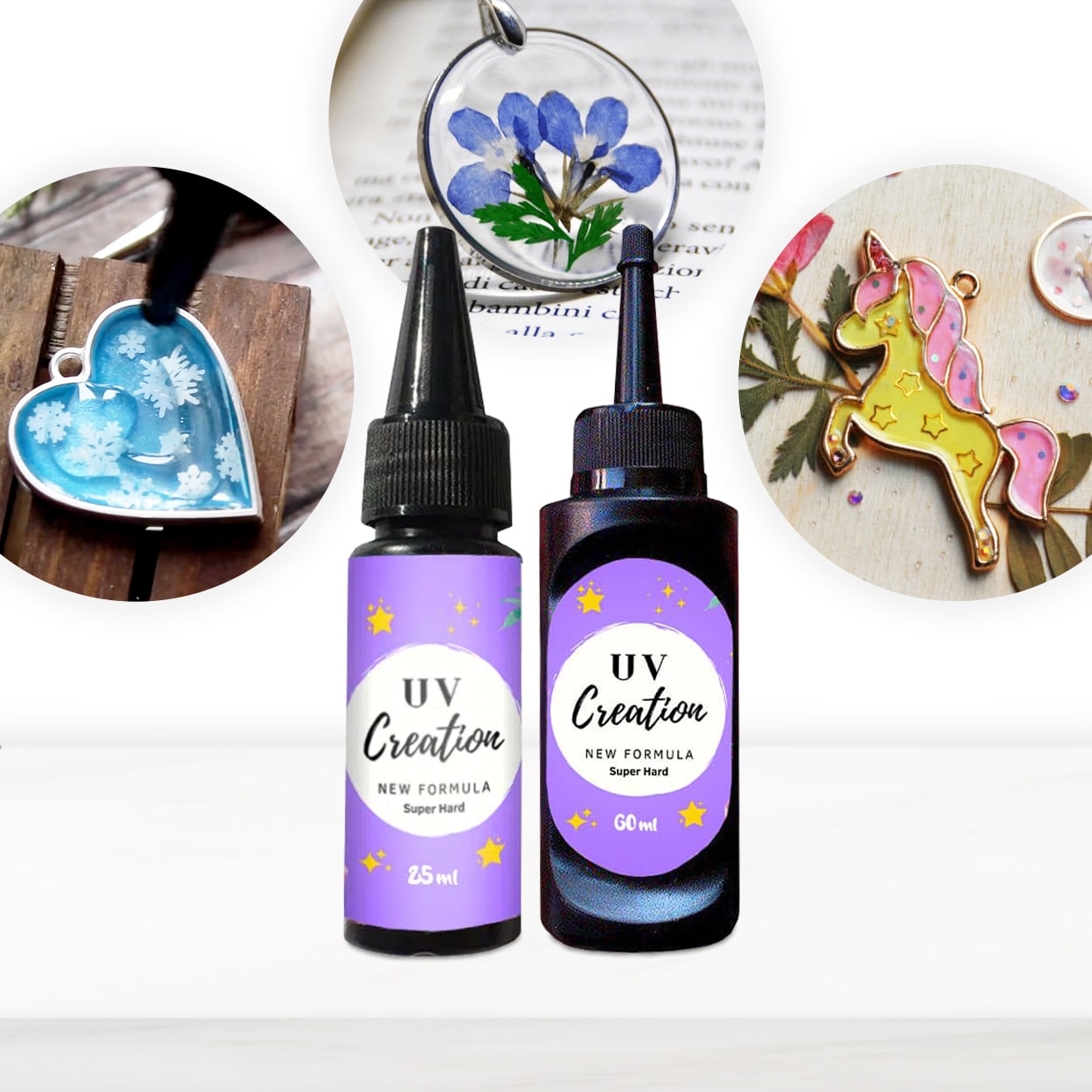
UV-curing resins offer a swift way to achieve beautifully set crafts and jewellery, but they rely on more than just time—their cure depends on direct exposure to ultraviolet light. Here’s why this matters, and how to get the best finish from your UV resin.
Why Direct UV Light Is Essential
UV-curing resins, like “UV–Creation” Fast Acrylic Resin, react and harden only when exposed directly to UV light. This exposure causes a chemical reaction that solidifies the resin, transforming it from liquid to a clear, durable finish. If any part of the resin is shaded or if the layer is too thick, those areas may remain tacky or unset even after prolonged curing.
Best Practices for Curing UV Resin
- Apply in Thin Layers: For optimal results, use layers up to 3 mm thick. Cure each layer before adding the next to ensure even hardening throughout.
- Aim for Full Exposure: Use a UV lamp or strong sunlight, making sure that all parts of the resin piece are exposed. Rotate your work if necessary to avoid shaded spots.
- Surface Preparation: Ensure the surface is free from dust and debris, as any obstruction may block UV light and prevent proper curing.
When Direct UV Exposure Really Matters
Direct UV exposure is especially critical when creating detailed or dimensional effects, such as with “Fairy Wings” UV Resin for Volumetric Reliefs. Any areas shielded from the light—by design elements, bezels, or overlapping layers—may result in incomplete curing and a sticky surface.
Related products
Related guides
Understanding the need for complete, direct UV light lets your resin projects dry to a flawless, durable finish. For more tips and products, explore our full guide on how to dry resin.