 Free shipping on orders over £29,85
  Shipping Tracking!


 Google
 Facebook
← Back to How to dry epoxy resin?
A sticky finish is one of the most common frustrations for epoxy resin users. Understanding what causes tacky resin can help you rescue your project and avoid similar issues in the future.
Main Causes of Sticky Epoxy Resin
Epoxy resin usually remains sticky due to either incorrect mixing ratios, improper measuring, or environmental conditions. If the two resin components (resin and hardener) are not measured and blended precisely as instructed—often by weight or volume—the chemical reaction may not complete, resulting in a tacky surface. Low temperatures and high humidity can also slow or inhibit the curing process, leaving parts of your project unset.
How to Fix Sticky Resin
If you find areas of sticky or soft epoxy after the expected curing time, start by carefully scraping off the problem sections. Once removed, ensure you mix your next batch of resin very thoroughly, following the recommended ratios exactly. Reapply a thin, even layer and allow to cure undisturbed in a warm, dry space.
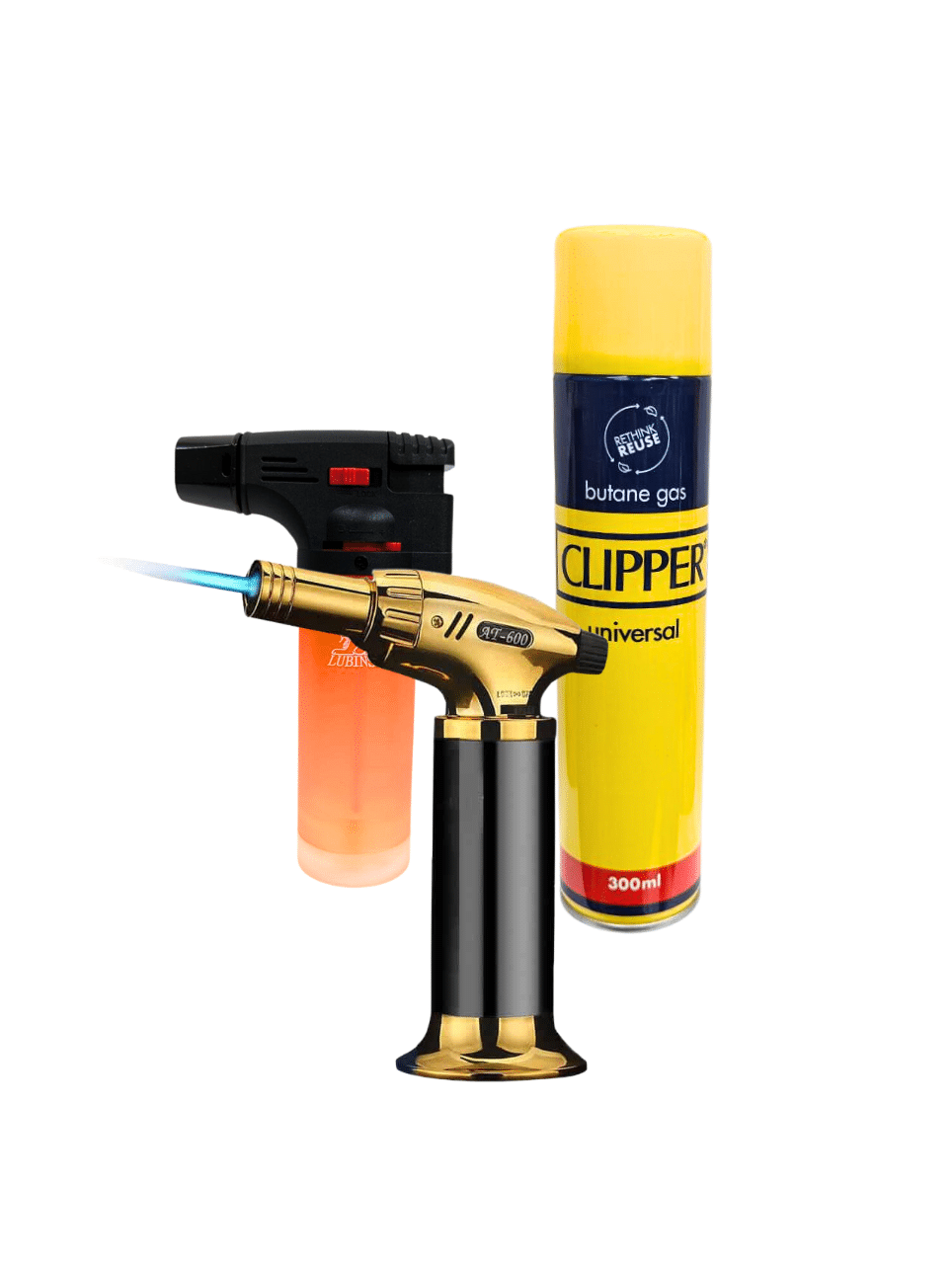
If you’re working in cooler conditions or want to speed up the bubble removal for a smoother finish, consider a tool like the Gas Heat Gun for Epoxy Resin—just be careful not to overheat your project as this can cause other issues.
When This Matters
Sticky resin can affect the clarity, durability, and appearance of your finished work, particularly in jewellery, art pieces, or surfaces that need a high-gloss, glass-like finish. For time-critical applications, choosing a reliable, fast-curing resin such as ICreation Fast Epoxy Resin can help minimise problems while enhancing the end result.
Related products
Related guides
Addressing sticky epoxy resin ensures your creations remain flawless and durable, keeping your projects on track. For more solutions and tips, visit our main guide on how to dry epoxy resin.