 Free shipping on orders over £29,85
  Shipping Tracking!


 Google
 Facebook
← Back to How do you sand resin floors?
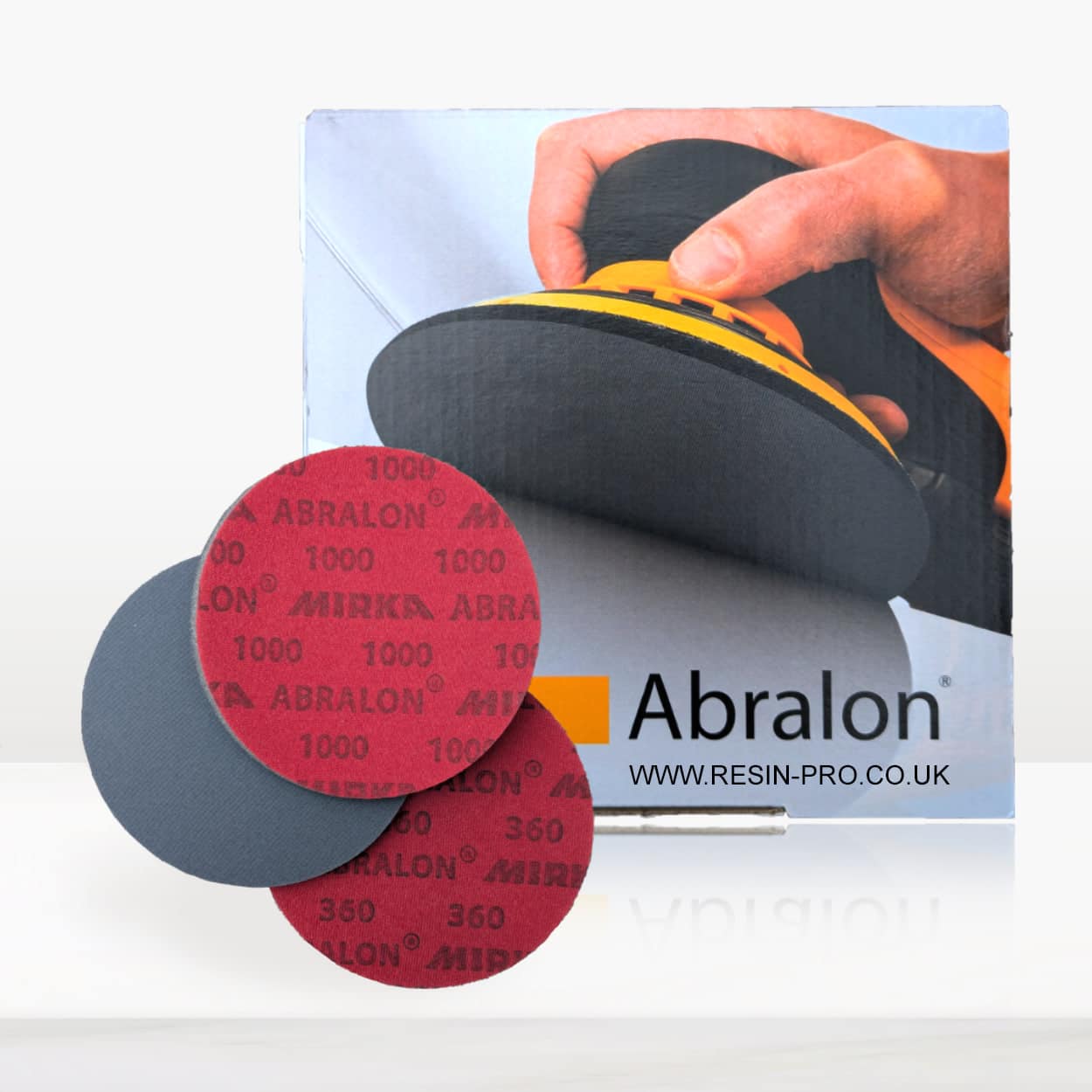
Choosing the right starting grit for sanding resin floors is the key to achieving a flawless, polished surface. Here’s how to get the best results on your next project.
Choosing Your Starting Grit
For most resin floors, it’s best to begin sanding with a medium grit—typically around 360 or 400. Starting at this level helps smooth out any surface irregularities without creating deep scratches that are hard to remove during finer sanding steps. Avoid beginning with coarser grits unless you need to remove heavy imperfections, as this can make the process unnecessarily labour-intensive.
Grit Progression for a Smooth Finish
Once you’ve levelled the surface with a 360 or 400 grit, progress through finer grits—moving all the way up to 4000. Each step removes the scratches from the previous grit, gradually refining the surface and enhancing the gloss. The “Ebonite Abralon” sanding pads are available in a full range of grits, making them ideal for staged sanding. Remember to clean the floor between grit changes to avoid carrying over abrasive particles.
Practical Tips for Sanding Resin Floors
- Use a rotary polisher for large areas, or a hand pad holder for smaller sections.
- For wet sanding, select pads specifically designed for water resistance.
- Apply even, gentle pressure to avoid uneven spots and to preserve the integrity of the resin coating.
When Precise Grit Selection Matters
Picking the right starting grit is particularly important for floors that need a seamless, high-gloss appearance or in high-traffic areas where smoothness enhances durability and ease of cleaning. It ensures an efficient workflow and minimises the risk of visible marks after polishing.
Related products
Related guides
Mastering grit selection is an essential step in the resin floor finishing process. For a broader guide to sanding and prepping resin floors, visit our full page on how to sand resin floors.