 Free shipping on orders over £29,85
  Shipping Tracking!


 Google
 Facebook
← Back to How do you sand resin floors?
If you’re aiming for a smooth and professional finish on resin floors, you may have heard that wet sanding is often preferred. Understanding why—and how—it’s done will help you get the best possible result on your project.
The Benefits of Wet Sanding Resin Floors
Wet sanding involves abrading the resin surface while keeping it lubricated with water. This lubrication washes away sanding debris, minimises airborne dust, and helps prevent the build-up of heat that could soften the resin. As a result, wet sanding tends to produce an even, scratch-free finish that is easier to polish to a high gloss.
How to Wet Sand Resin Flooring Safely and Effectively
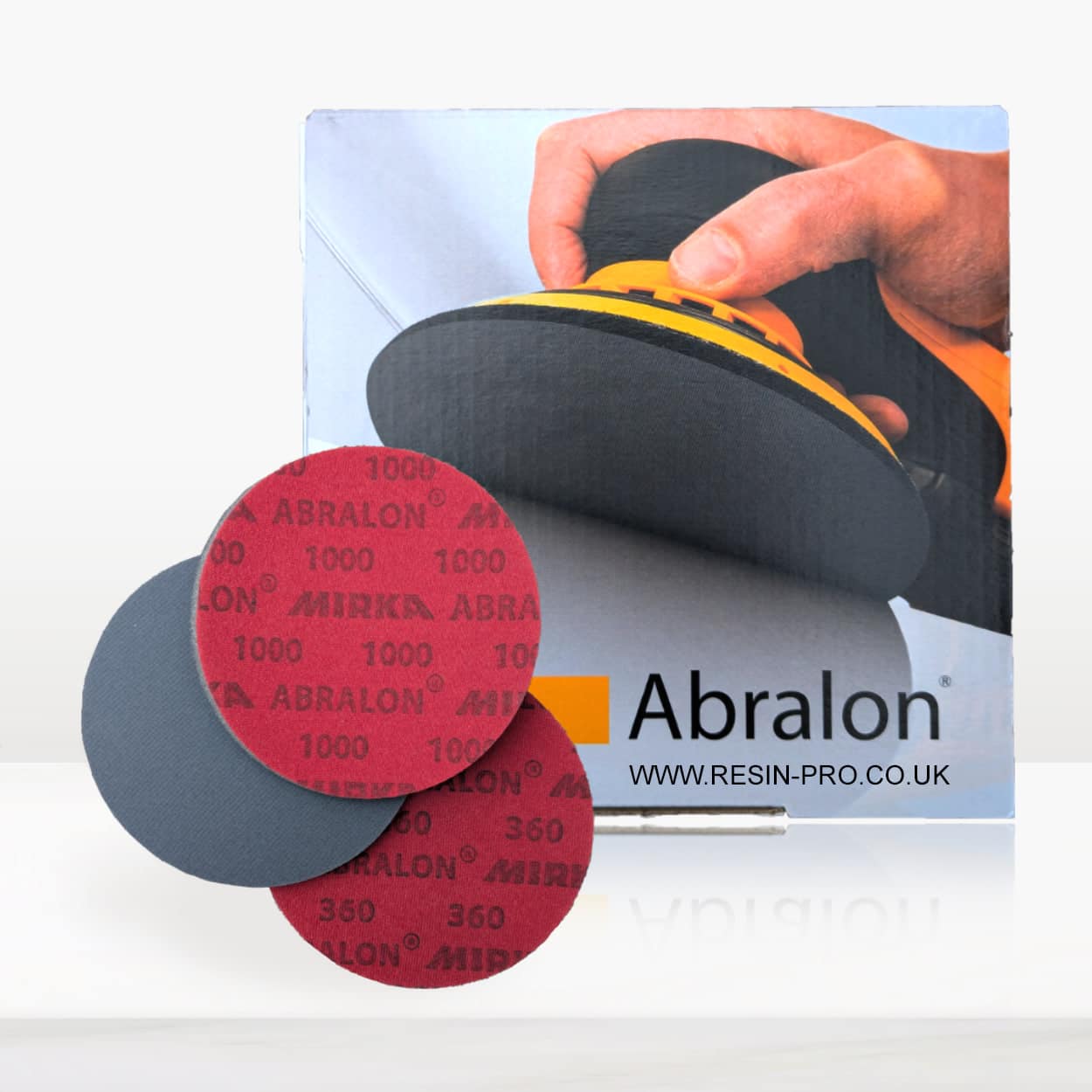
Begin with a coarse grit sanding pad and move progressively to finer grades. Products like “Ebonite Abralon” sanding pads are ideal, as they’re designed for both wet and dry use with foam backing to help apply uniform pressure. Attach the pad to a rotary polisher for best results, or use a hand pad holder for smaller areas. Keep the surface damp throughout the process and wipe away residue regularly to monitor your progress.
When Wet Sanding Matters Most
- When you want to minimise dust in indoor spaces or sensitive environments.
- If the resin floor will be polished to a high shine, as wet sanding reduces visible scratches.
- When working with thick or glossy resin layers that require gentle finishing without causing swirl marks or heat damage.
Related products
Related guides
Incorporating wet sanding into your resin floor finishing process is an investment in smoother, clearer results. For step-by-step sanding advice and more product options, see our main guide on how to sand resin floors.