 Free shipping on orders over £29,85
  Shipping Tracking!


 Google
 Facebook
← Back to How to calculate how much epoxy resin is needed?
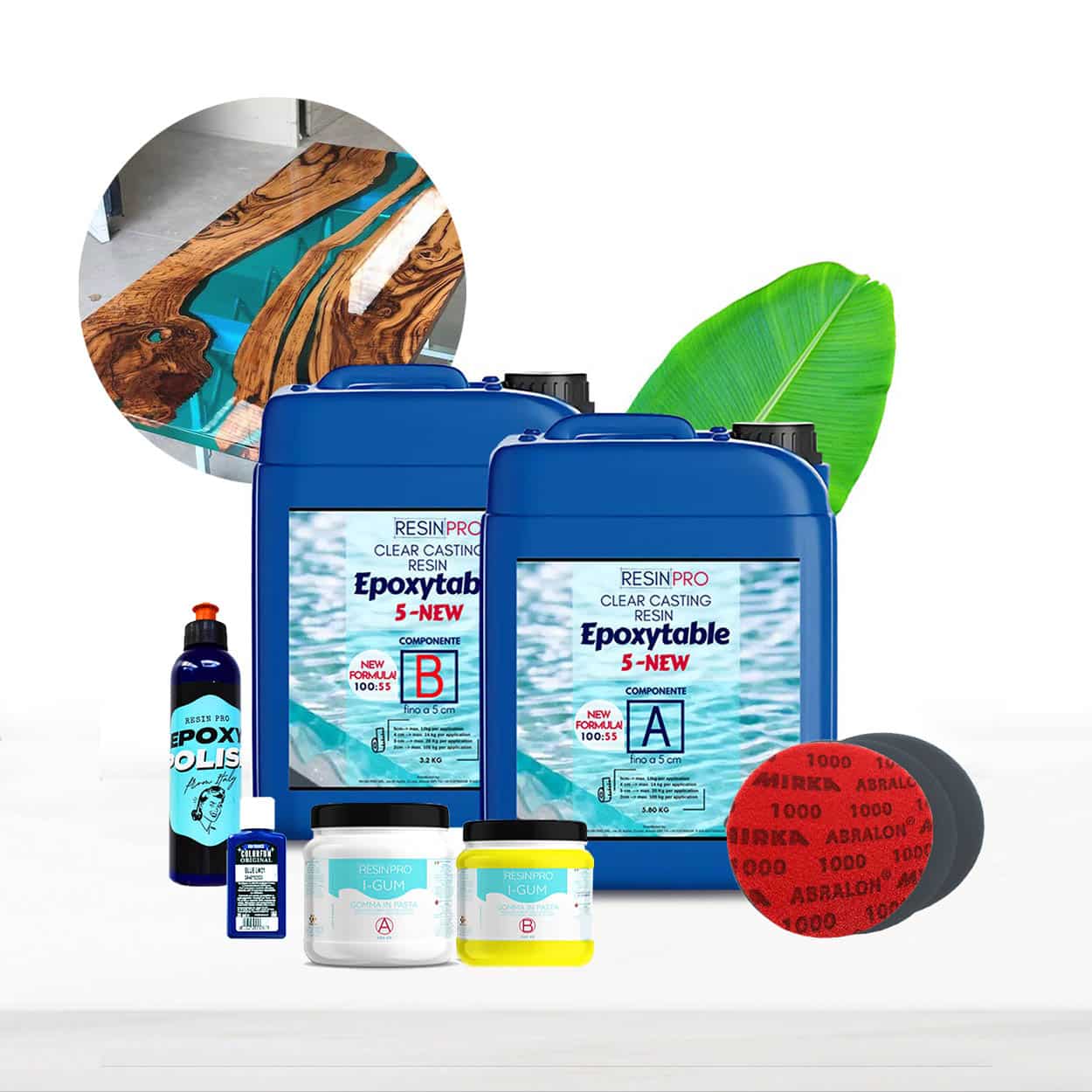
Running out of epoxy resin during a pour can present a real challenge for any project, whether you’re crafting a resin table or installing a permeable floor. It’s important to understand the potential outcomes and best practices to help avoid uneven results and visible seams.
What’s Likely to Happen If Resin Runs Out?
If you run out of epoxy mid-pour, your project may develop visible seams or lines where the new pour meets the old. This can cause uneven finishes or differences in clarity and texture, as the cured layer won’t always bond perfectly with a new one. Particularly with transparent or decorative pours, such interruptions are often noticeable and may be tricky to disguise—even with sanding or finishing.
How to Avoid Running Short
The most effective way to steer clear of this issue is careful upfront calculation. Always measure your project’s dimensions and allow for a small surplus to cover unexpected dips or leaks. If you’re working on a resin table, for example, opting for a complete beginner’s kit like the “River-Table” Kit can help since it includes detailed mixing and measurement guidance. For deeper pours, consider products designed for thick layers, such as deep pour epoxies that clearly recommend pour depths that suit your project size.
When This Matters Most
- For decorative or clear casting projects, seams are most noticeable.
- Large single-pour surfaces (like tables or worktops) are difficult to correct if interrupted.
- If colour consistency or visual clarity is important to your project’s finish.
Related products
Related guides
Planning resin quantities upfront is vital to a seamless, durable result. If you’d like more advice and calculation tips, see our full guide on how to calculate how much epoxy resin is needed for your next project.