 Free shipping on orders over £29,85
  Shipping Tracking!


 Google
 Facebook
← Back to How to catalyse epoxy resin?
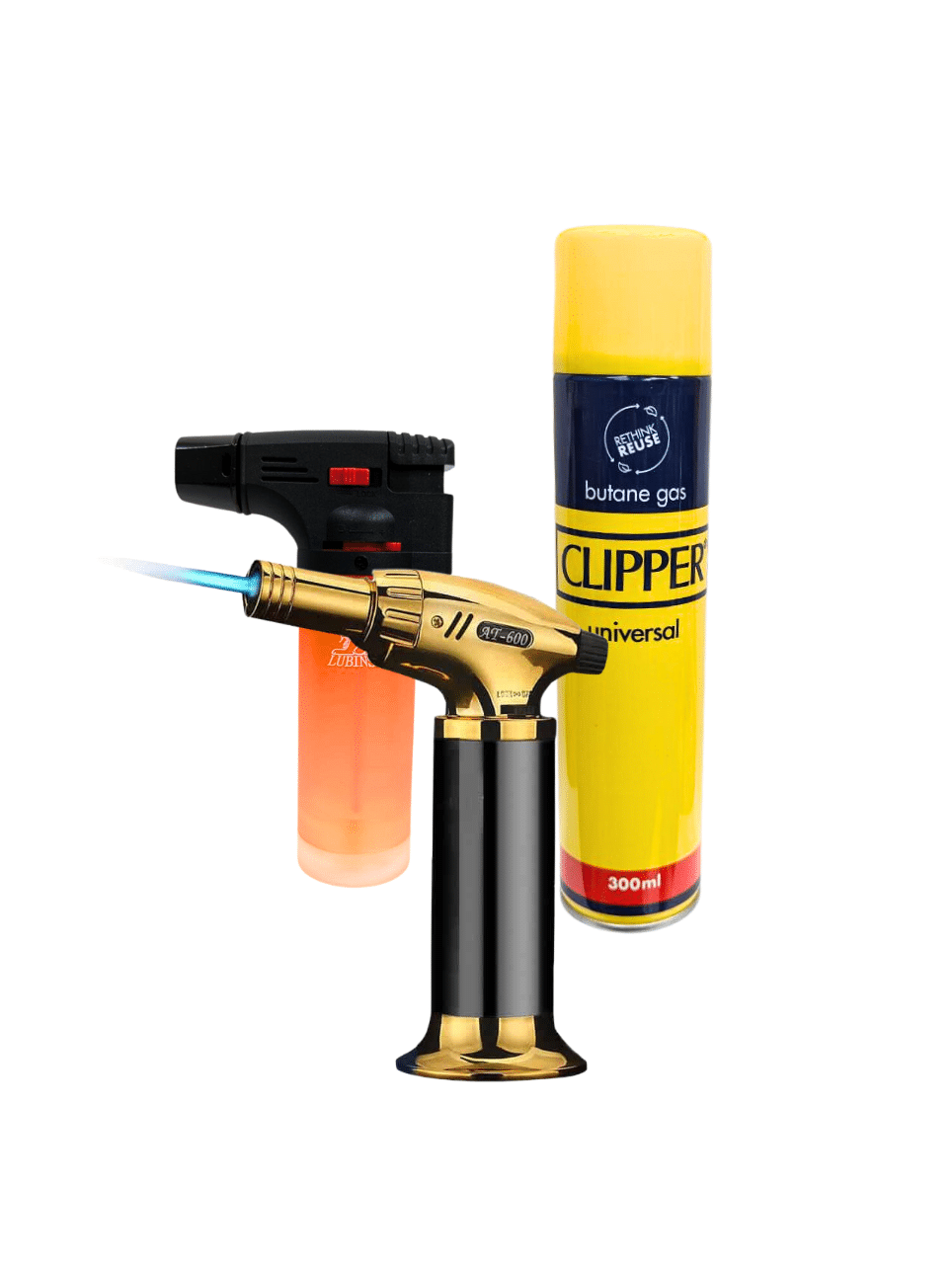
If you’ve tackled an epoxy resin project, you may wonder if a heat gun can help it set faster. Let’s look at how heat guns interact with epoxy resin during curing—and what they really do best.
What Does a Heat Gun Do for Epoxy Resin?
Rather than acting as a catalyst, a heat gun is typically used to gently warm the surface of freshly poured resin. This helps trapped air bubbles rise and pop, resulting in a clear, professional-looking finish. While a heat gun can slightly accelerate surface-level curing by briefly raising the temperature, it does not fundamentally reduce the total curing time since true catalysis relies on thoroughly mixing the resin and hardener in precise proportions.
Best Practices for Using a Heat Gun with Epoxy
- Keep the heat gun moving to prevent hot spots or overheating.
- Hold the gun a safe distance from the resin—usually 10–15 cm is effective.
- Avoid excessive heat, which could distort or burn the surface.
- Use a precision heat gun designed for craft use to ensure even, controlled warming.
These measures foster a smooth finish but won’t shortcut the chemical curing process, which unfolds as the two epoxy components react over the manufacturer’s recommended timeframe.
When Does Heat Assistance Matter?
Using a heat gun is most valuable when clarity and finish are key—such as with artistic pours, tabletops, or jewellery moulds. It’s especially useful in cool or humid conditions where bubbles are more likely to form. However, for quick setting, it’s important to select a fast-curing resin rather than rely on external heating alone.
Related products
Related guides
In short, heat guns are invaluable for finishing epoxy resin projects but won’t make your resin set dramatically faster. For more ways to optimise your curing process, visit our main guide on catalysing epoxy resin.