 Free shipping on orders over £29,85
  Shipping Tracking!


 Google
 Facebook
How to catalyse polyester resin?
Catalysing polyester resin is an essential process that transforms liquid resin into a hard, durable material suitable for repair and construction. Whether you’re patching a boat, reinforcing composites, or tackling a DIY fix, achieving a complete cure depends on careful preparation, correct mixing, and safe handling at each stage.
Achieve strong, reliable cures with polyester resin safely

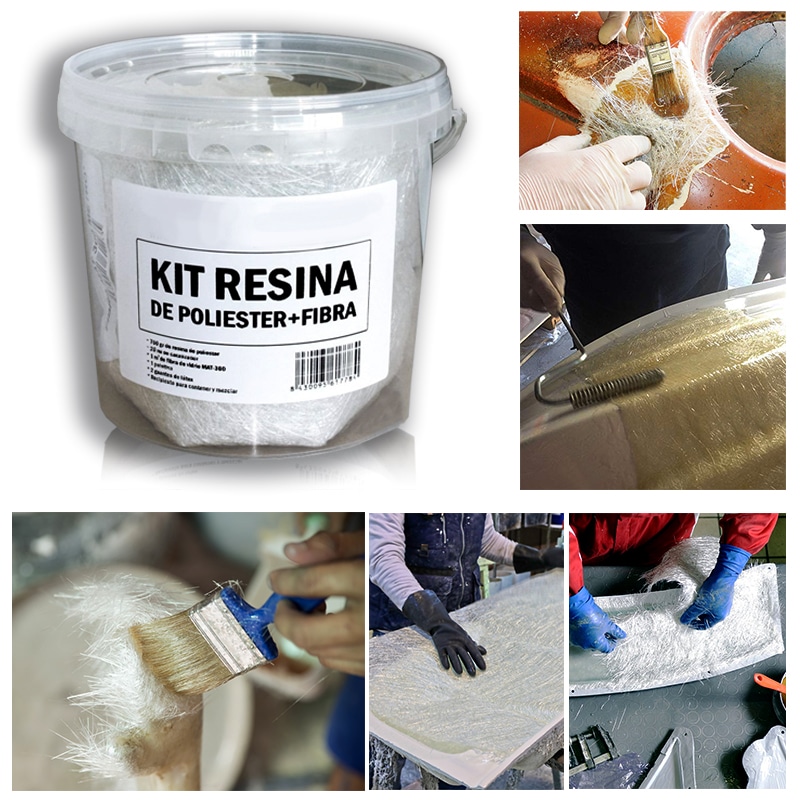
What You’ll Need
- Resin Fibreglass Repair Kit – Complete Polyester Resin and Hardener Set – includes polyester resin, hardener (catalyst), fibreglass mat, gloves, brush, and mixing container
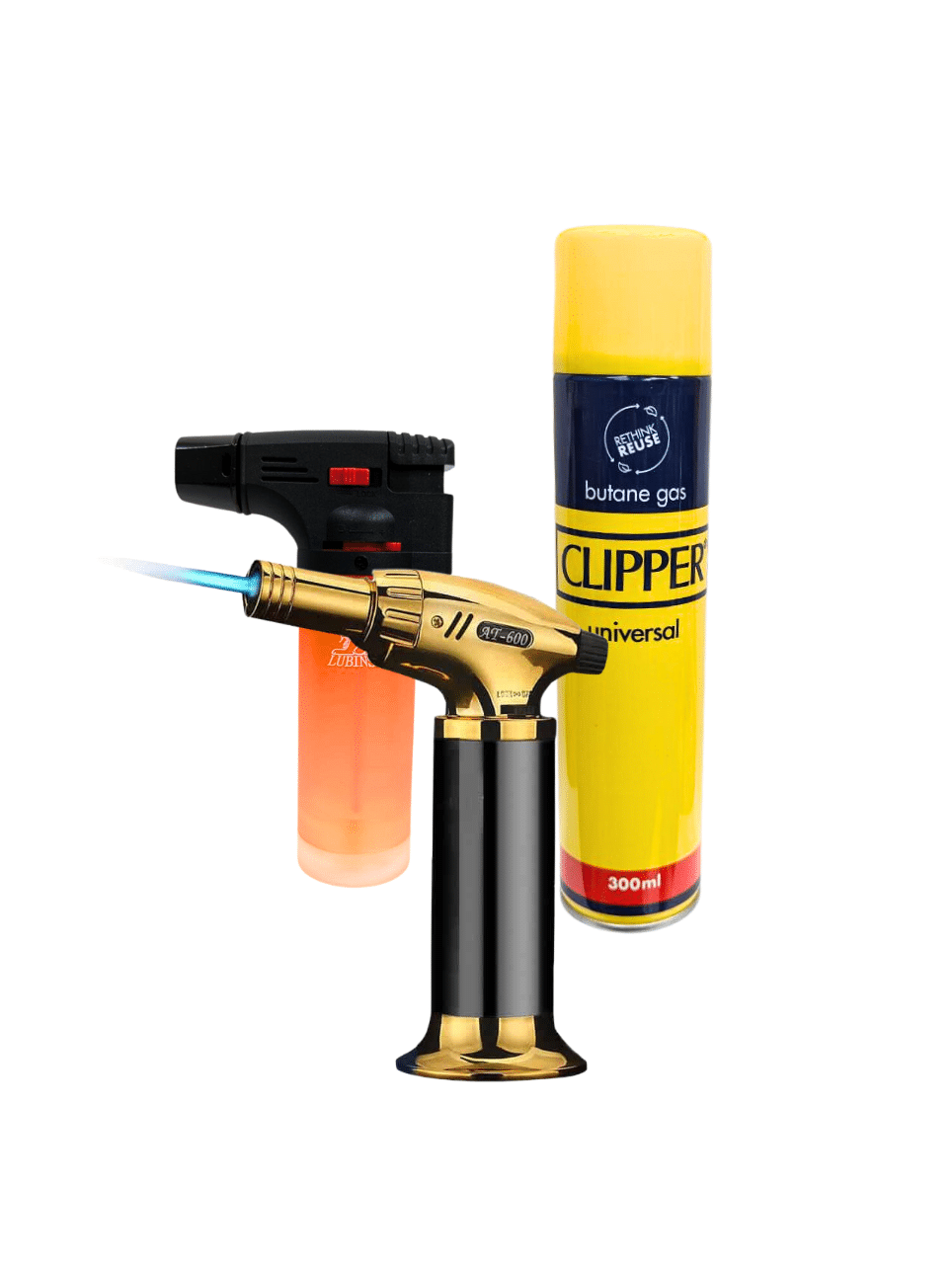
- Gas Heat Gun for Epoxy Resin – Precision Tool for Bubble Removal and Finishing (optional, for reducing bubbles and improving finish)
- Surgical or nitrile gloves, protective eyewear, and suitable apron
- A clean, disposable mixing stick or paddle
- Accurate scales for weighing resin and catalyst
- Old newspapers or protective sheeting for your workspace
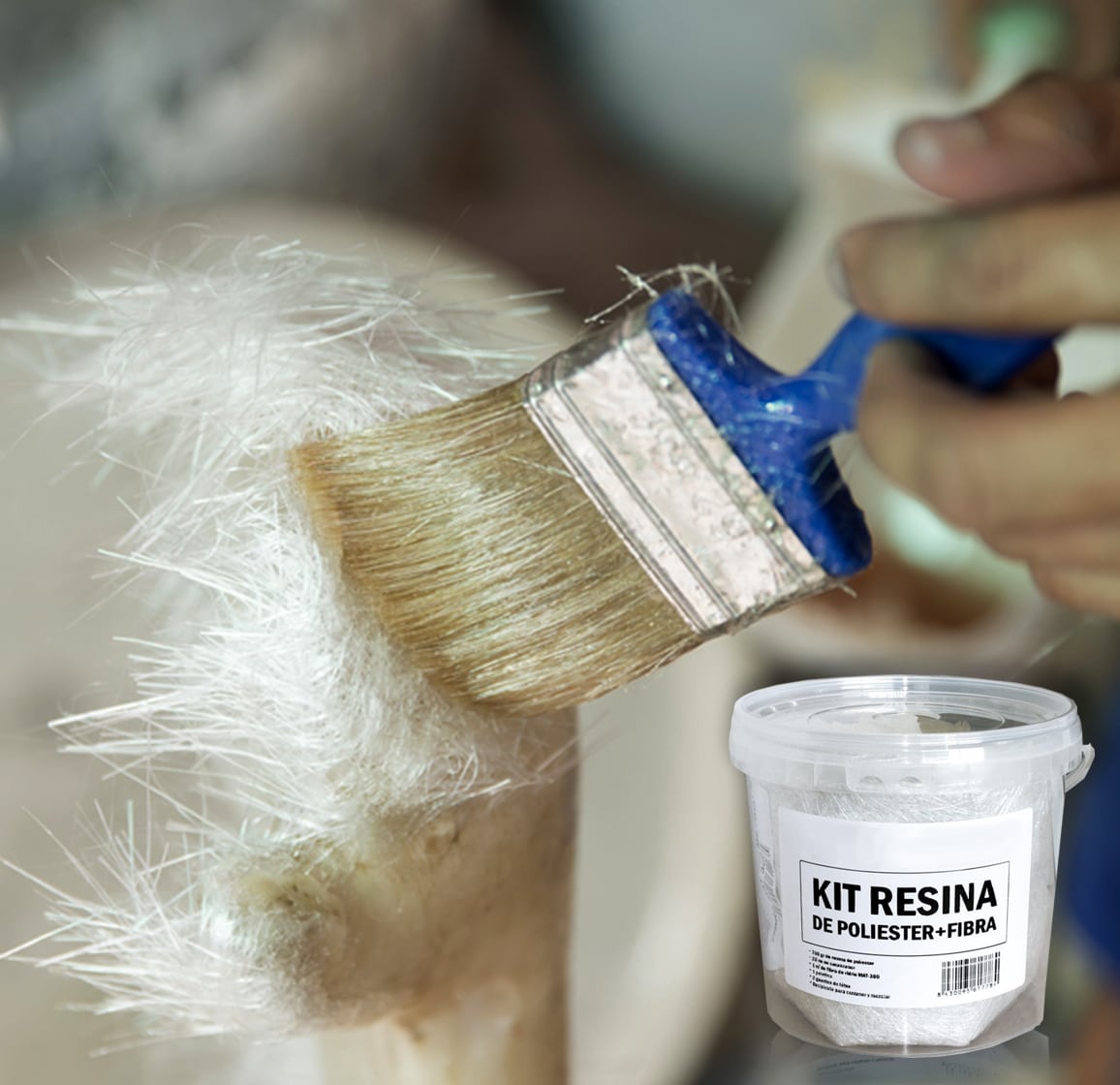
Essential Mixing Tools and PPE
Using the right protective gear—gloves, eyewear, and apron—is essential for safety. Weigh accurately for precise catalysis, and work on a protected surface to minimise cleanup and risk of contact.
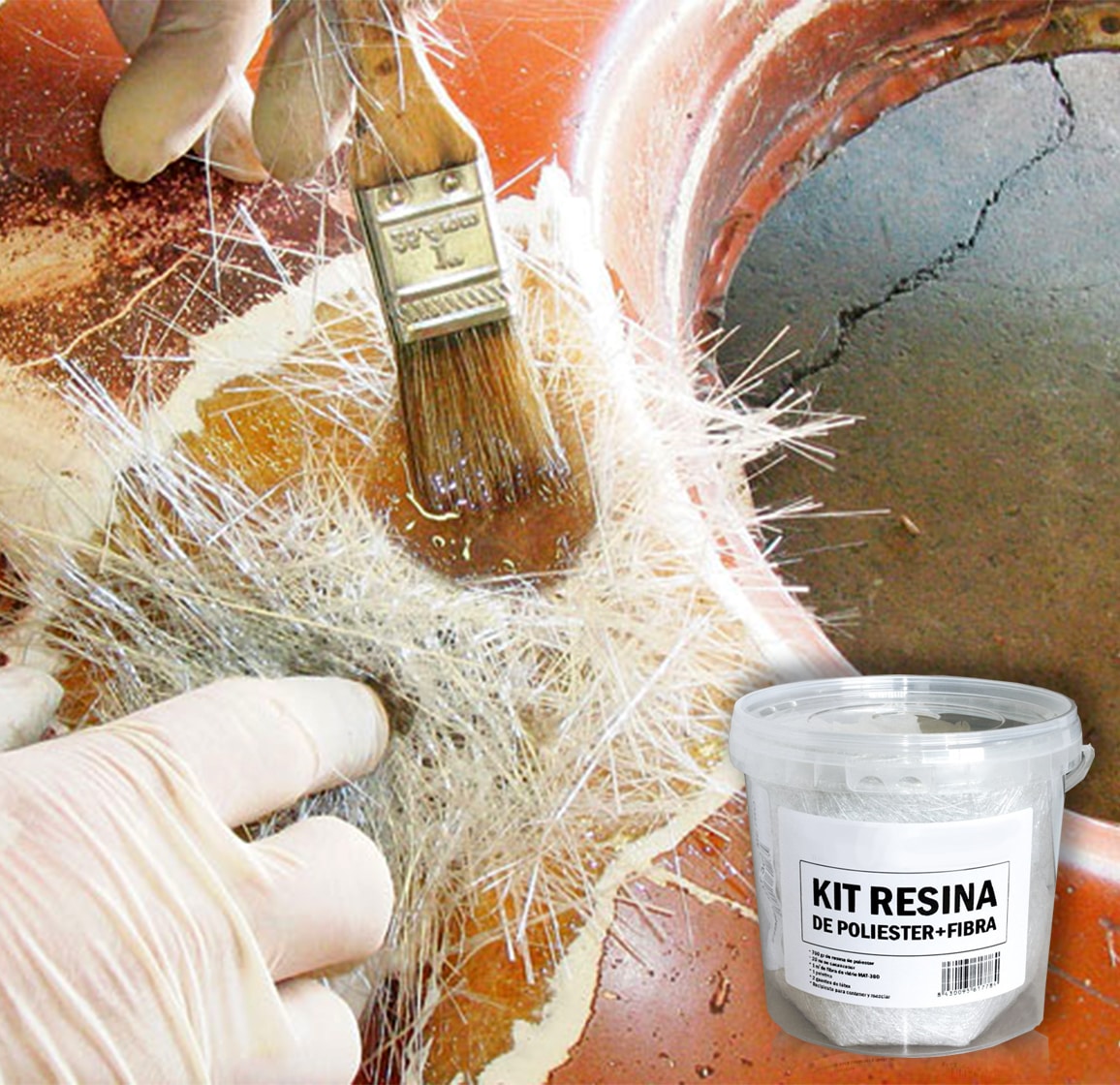
Step 1: Prepare Your Workspace and Safety Gear
Set up in a well-ventilated area, ideally outdoors or in a space with effective extraction. Lay down newspapers or sheeting to catch spills. Ensure all containers and mixing tools are clean and dry before beginning. Always wear gloves and safety glasses when handling catalysts. Polyester resin and its hardener can be irritating to skin and eyes and produce fumes during mixing and curing.
Take time to familiarise yourself with all safety instructions included in your kit, and have everything within arm’s reach prior to opening the resin.
Step 2: Measure Resin and Catalyst Precisely
Decide how much resin you need for your repair, referencing the guidelines in your chosen kit or project plan. Using scales, weigh the required amount of polyester resin into your mixing container.
Orthophthalic polyester resins typically require a 2–3% catalyst by weight. For example, for 700g resin, add 14–21g (or approximately 20ml for smaller jobs) of catalyst. Your repair kit will include a suitable volume of hardener marked for typical mix ratios.
Do not estimate amounts—accurate measurements are critical to ensure proper curing and bond strength. Too little will leave the resin sticky or soft; too much can cause rapid setting or excess heat, risking warping and reduced structural integrity.
Step 3: Mix Thoroughly and Evenly
Add the measured catalyst (hardener) directly to the resin. Begin stirring gently but firmly with your mixing stick or spatula, taking extra care to scrape the sides and bottom of the container.
Stir thoroughly for at least two minutes to ensure an even reaction. The mixture should become uniform in colour and consistency. Incomplete mixing leads to uncured patches that will remain tacky and compromise the final repair.
Work efficiently but do not rush; polyester resins begin reacting as soon as catalyst is introduced, and you typically have a working time of 15–30 minutes depending on temperature and volume.
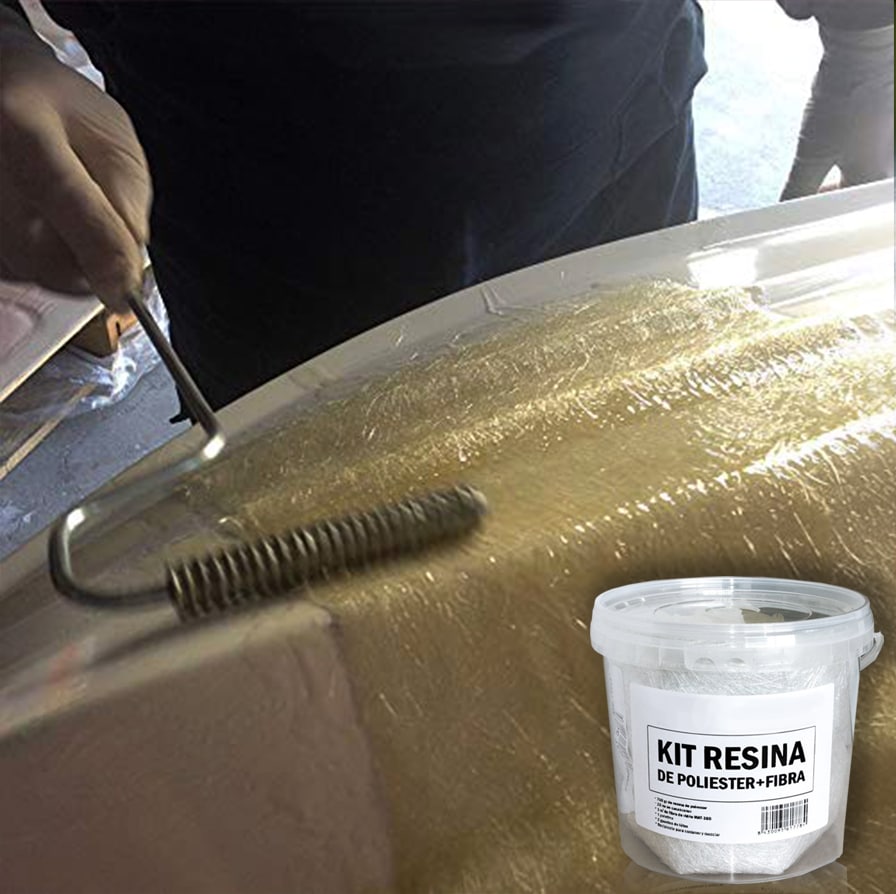
Step 4: Apply and Finish Before Curing
With the resin fully mixed, use your brush or roller to apply in even coats. Incorporate fibreglass matting where greater strength or reinforcement is needed, as provided in your repair kit. Lay the mat smoothly and saturate with resin, pressing out bubbles and folds.
If you notice air bubbles rising while working the resin, use the Gas Heat Gun for Epoxy Resin – Precision Tool for Bubble Removal and Finishing on a low setting, wafting gently across the surface to help release trapped air for a smoother result.
All application should be completed within your working window. Once applied, leave the repair undisturbed to set fully, typically several hours depending on temperature and layer thickness.
Tips, Common Mistakes, and Troubleshooting
Do not add extra catalyst hoping for a faster set. Excessive hardener can cause sudden exothermic reactions, warping, short pot life, or incomplete cure. Stick to recommended ratios.
Keep polyester resin uncatalysed until ready for immediate use. Once the hardener is added, the reaction cannot be stopped or slowed significantly.
Avoid working in very cold or damp conditions, which slow curing and may cause cloudiness. Always ensure all mixing tools and containers are clean to prevent contaminant issues.
If tackiness persists after setting time, insufficient catalyst or poor mixing is likely to blame. Additional heat (such as from a heat gun) may assist, but major cure issues may require removal and reapplication.
Careful planning and accurate measurement produce the best results every time.
Visual Guide: Mixing Resin and Catalyst
Step-by-step photos or diagrams help clarify the mixing process. Visual cues for colour and consistency will give you confidence that your blend is ready for a strong, lasting bond.
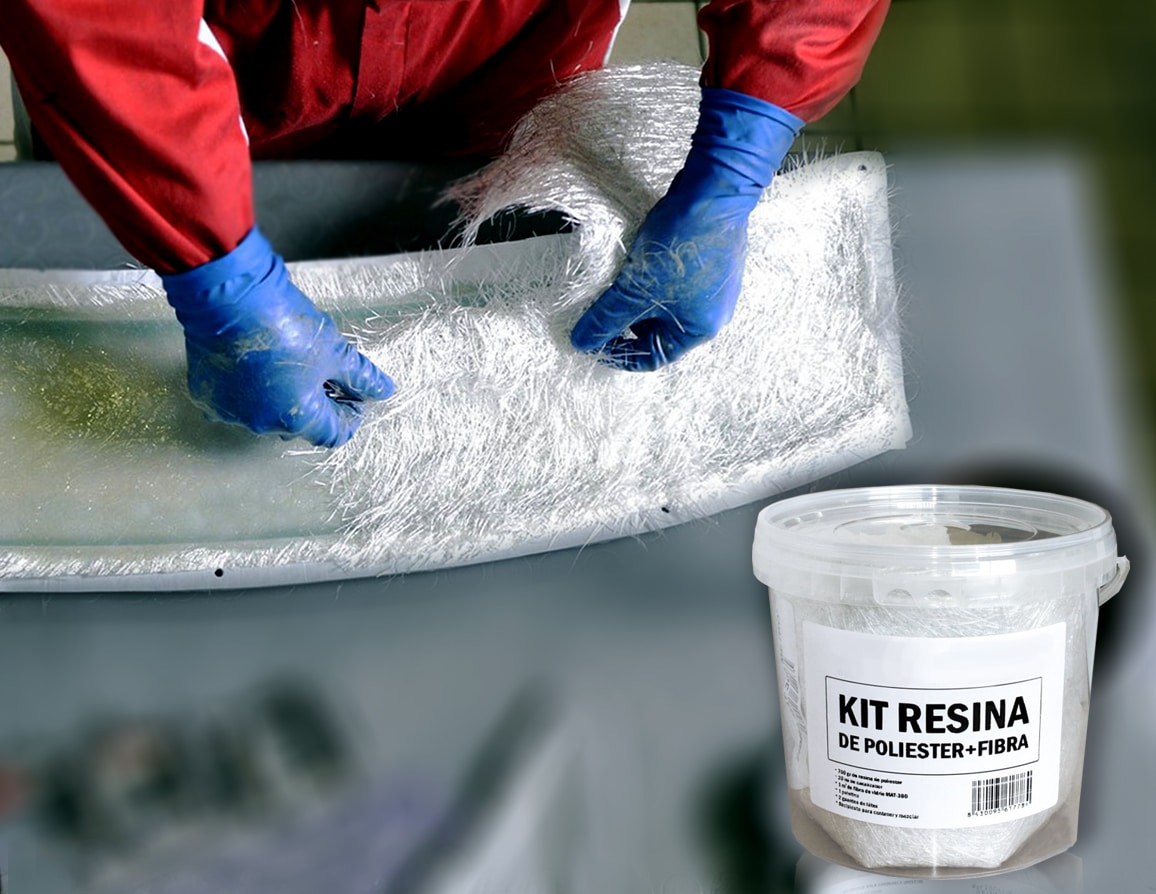
- Resin Fibreglass Repair Kit – Complete Polyester Resin and Hardener SetPrice range: £13.85 through £22.85Resin Fibreglass Repair Kit provides a complete polyester resin repair solution with clear instructions for emergency and structural fixes.
- Gas Heat Gun for Epoxy Resin – Precision Tool for Bubble Removal and FinishingPrice range: £4.15 through £13.85This heat gun is designed for precision heating to reduce bubbles in epoxy resin projects, suitable for both beginners and professionals.
Frequently Asked Questions
How much catalyst should I add to polyester resin?
Typically, a 2–3% catalyst by weight is used. Too little will leave the resin uncured; too much causes rapid curing or brittleness.
What happens if polyester resin is mixed poorly?
Poor mixing will lead to uncured, tacky areas and weak spots in your finished repair. Always mix thoroughly for consistent results.
Is a heat gun necessary for catalysed polyester resin?
A heat gun is optional but can help remove bubbles and improve finish. It is not required for the resin to set properly.
Can I store polyester resin once mixed with catalyst?
No, once the catalyst is added, the curing process begins and cannot be stopped. Use immediately after mixing.
How do I fix tacky or uncured polyester resin?
Remove the tacky resin and reapply with correct catalyst ratio and thorough mixing. Ensure clean tools and containers.
Is polyester resin dangerous if it contacts your skin?
Direct contact can irritate skin or eyes. Always use protective gloves and eyewear, and wash thoroughly after exposure.