 Free shipping on orders over £29,85
  Shipping Tracking!


 Google
 Facebook
← Back to How do you pour resin on a table with bottle caps?
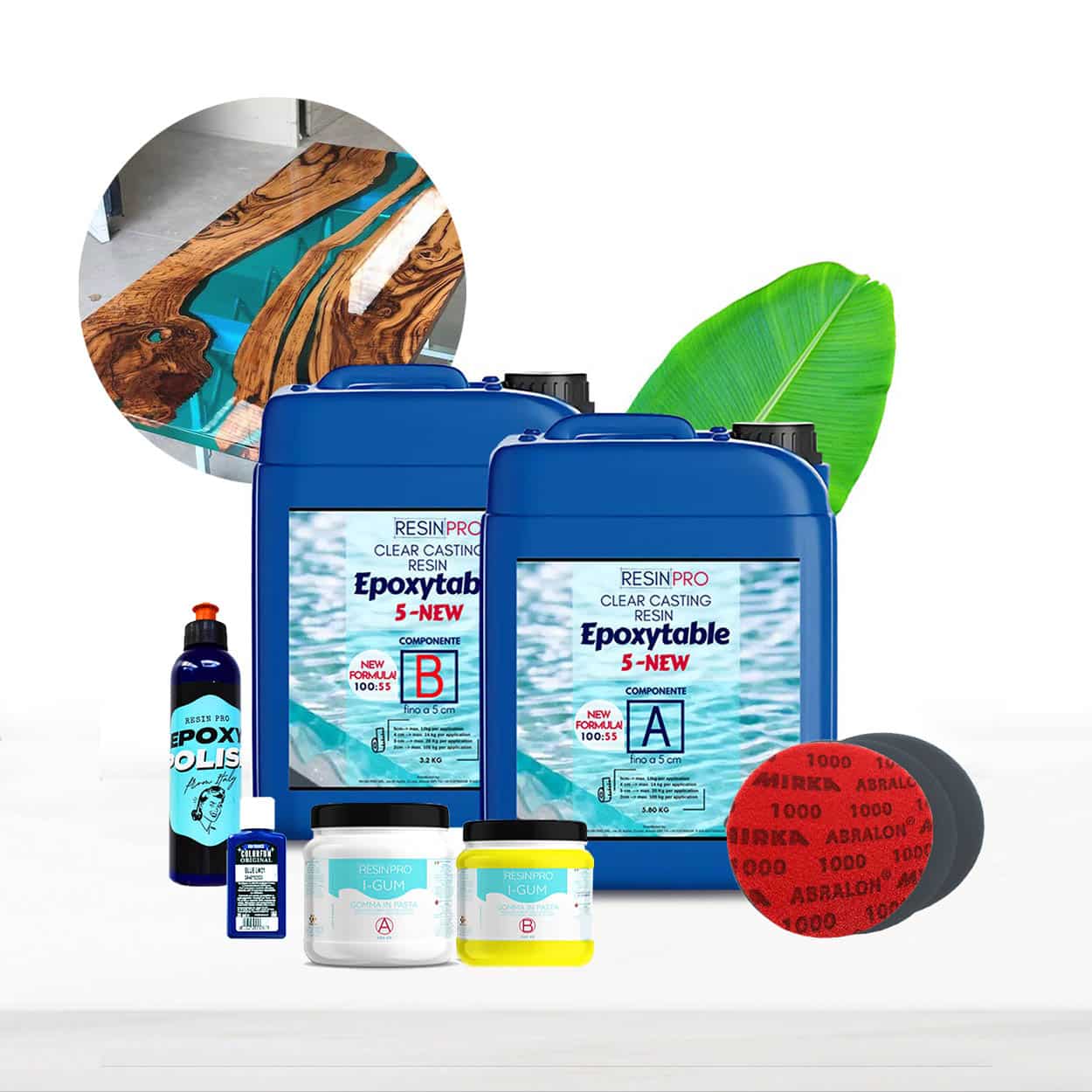
If you’re creating a resin table with embedded objects like bottle caps, it’s vital not to pour the resin deeper than it’s designed for in a single application. Observing these limits ensures both safety and a high-quality result.
Why Thickness Limits Matter for Resin Pouring
Each epoxy resin has a maximum recommended pour depth, typically ranging from 2 to 10 cm, depending on the product. Pouring too deep causes excessive heat (exotherm), which may lead to cracking, yellowing, or incomplete curing. Thick, single pours are especially risky when embedding items like bottle caps, potentially trapping bubbles or damaging your design.
Safe Resin Layering: How to Pour for Best Results
For a successful project, pour resin in layers within the product’s depth range. Wait for each layer to partially cure—usually when it’s still slightly tacky—before adding the next. This method prevents overheating and helps keep embedded objects, such as bottle caps, in place. If your design requires more than the specified depth, multiple pours are the safest approach. Beginners may benefit from all-in-one kits like the “River-Table” Complete Kit, which has step-by-step guidance.
When This Matters Most
- Large tables or surfaces that would exceed a single recommended pour depth.
- Projects with many embedded items that increase the risk of trapped bubbles.
- Using deep pour resins (up to 5cm or 10cm) for dramatic effects—still, never exceed the stated limit.
Related products
Related guides
By following the resin’s recommended pouring depth, you protect your table design and ensure a smooth, even finish. To explore more tips about resin bottle cap tables and find suitable products, visit our main guide.