 Free shipping on orders over £29,85
  Shipping Tracking!


 Google
 Facebook
How do you catalyse polyester resin?
Step-by-step instructions for safe, strong resin curing

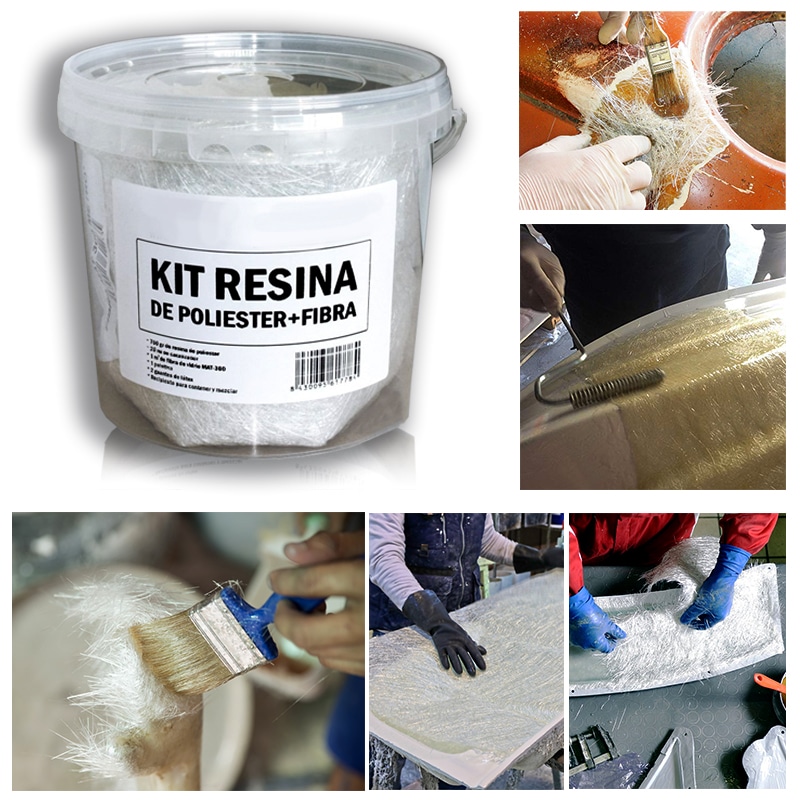
Catalysing polyester resin is essential for achieving durable, long-lasting repairs and fabrications. Whether you are patching a boat hull, fixing a car panel, or creating composite parts, understanding and carrying out the catalysis process correctly will ensure optimal strength and performance. This guide walks you through all the key steps, safety practices, and techniques you need for professional-quality results at home or on-site.
What You’ll Need
- Resin Fibreglass Repair Kit – Complete Polyester Resin and Hardener Set – For accurate dispensation of both polyester resin and its catalyst.
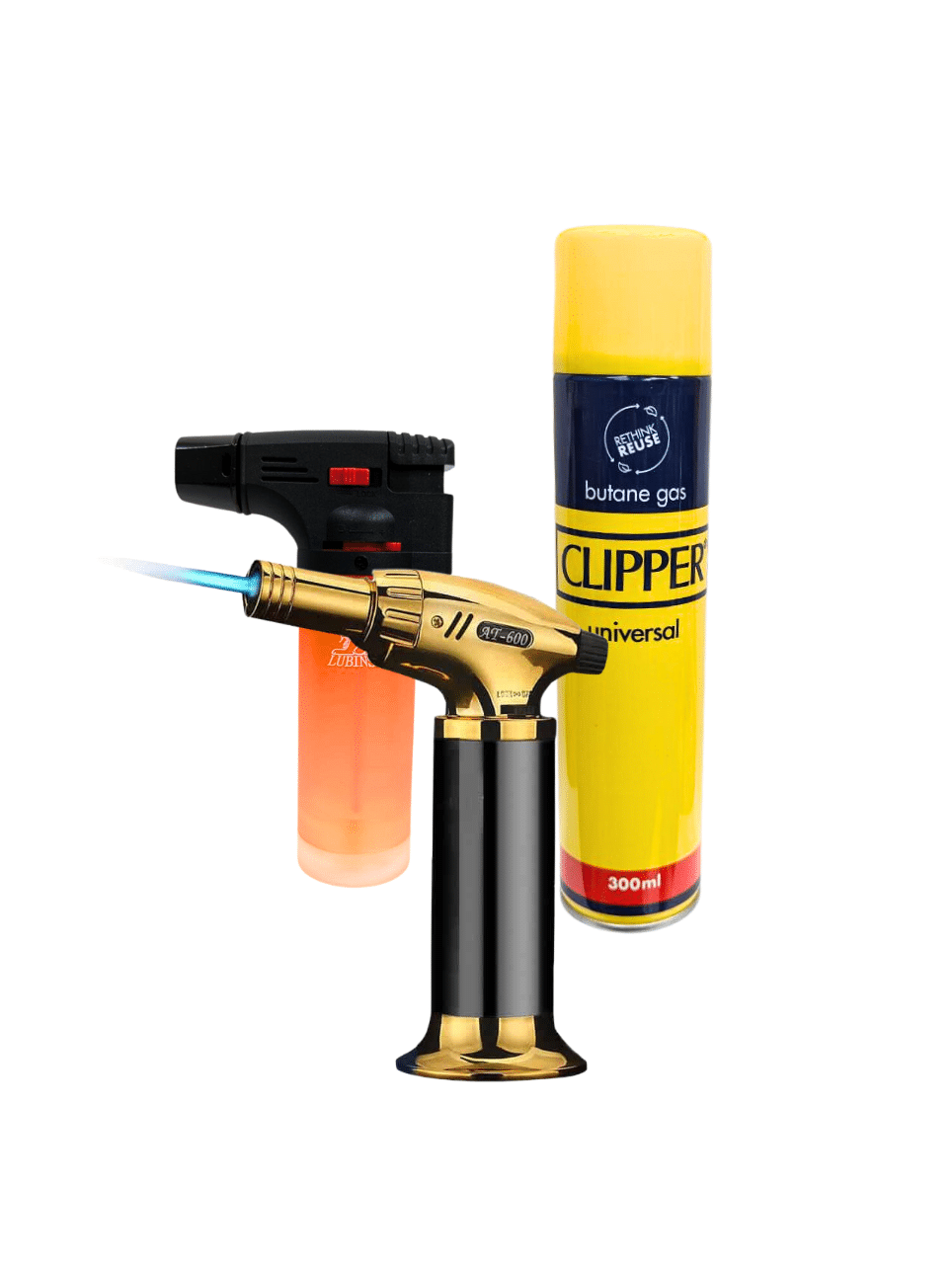
- Gas Heat Gun for Epoxy Resin – Precision Tool for Bubble Removal and Finishing – Optional, for bubble removal if required.
- Mixing container and stir stick
- Protective gloves and safety goggles
- Brush or spreader (for application)
- Well-ventilated workspace
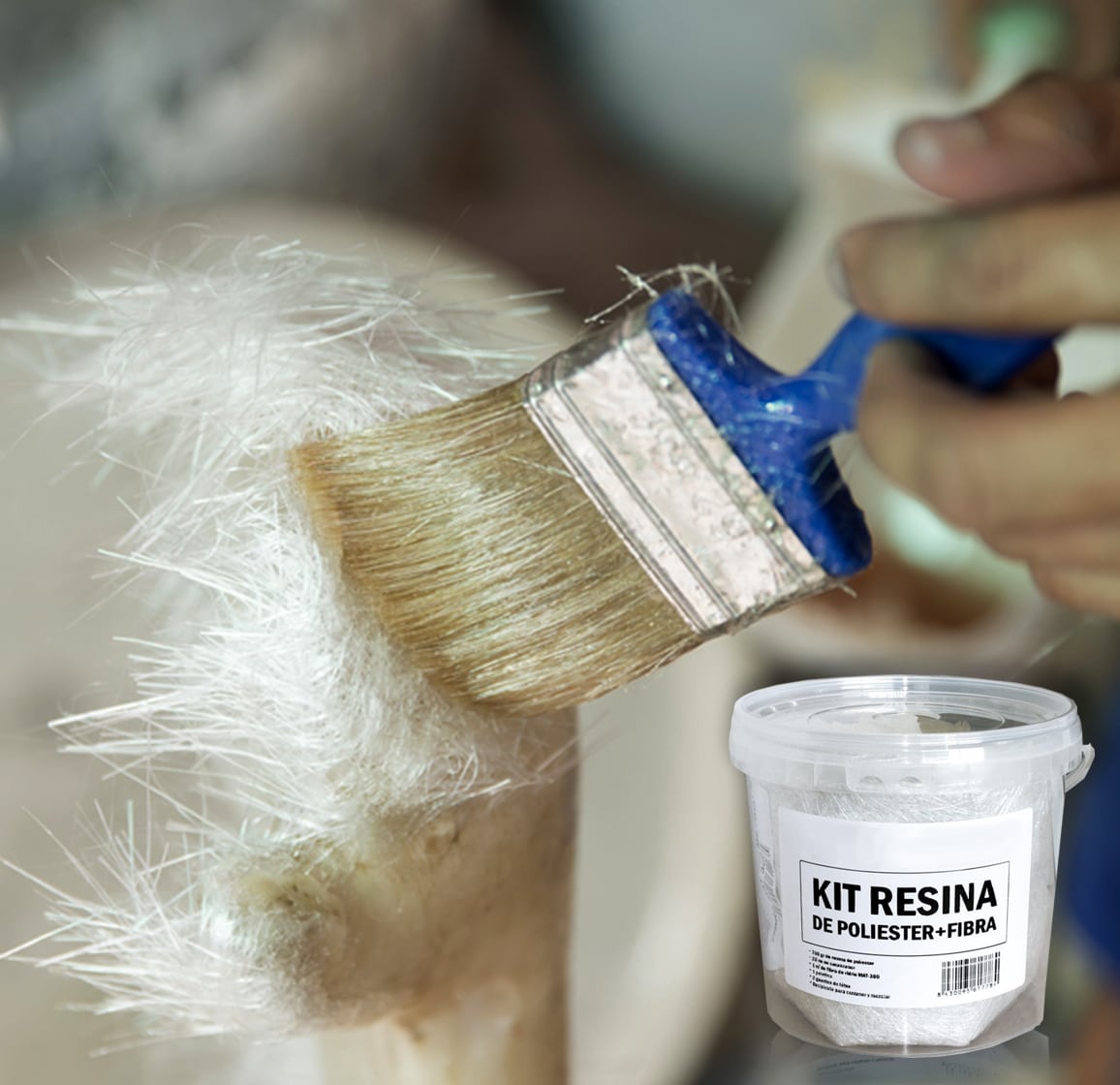
Safety First: Protect Yourself with Proper Gear
Wear nitrile gloves, eye protection, and avoid skin contact during all resin handling. Always ensure your workspace is well-ventilated or use a respirator if necessary.
Resin Fibreglass Repair Kit – Complete Polyester Resin and Hardener Set includes gloves, making it easier to stay safe from the start.
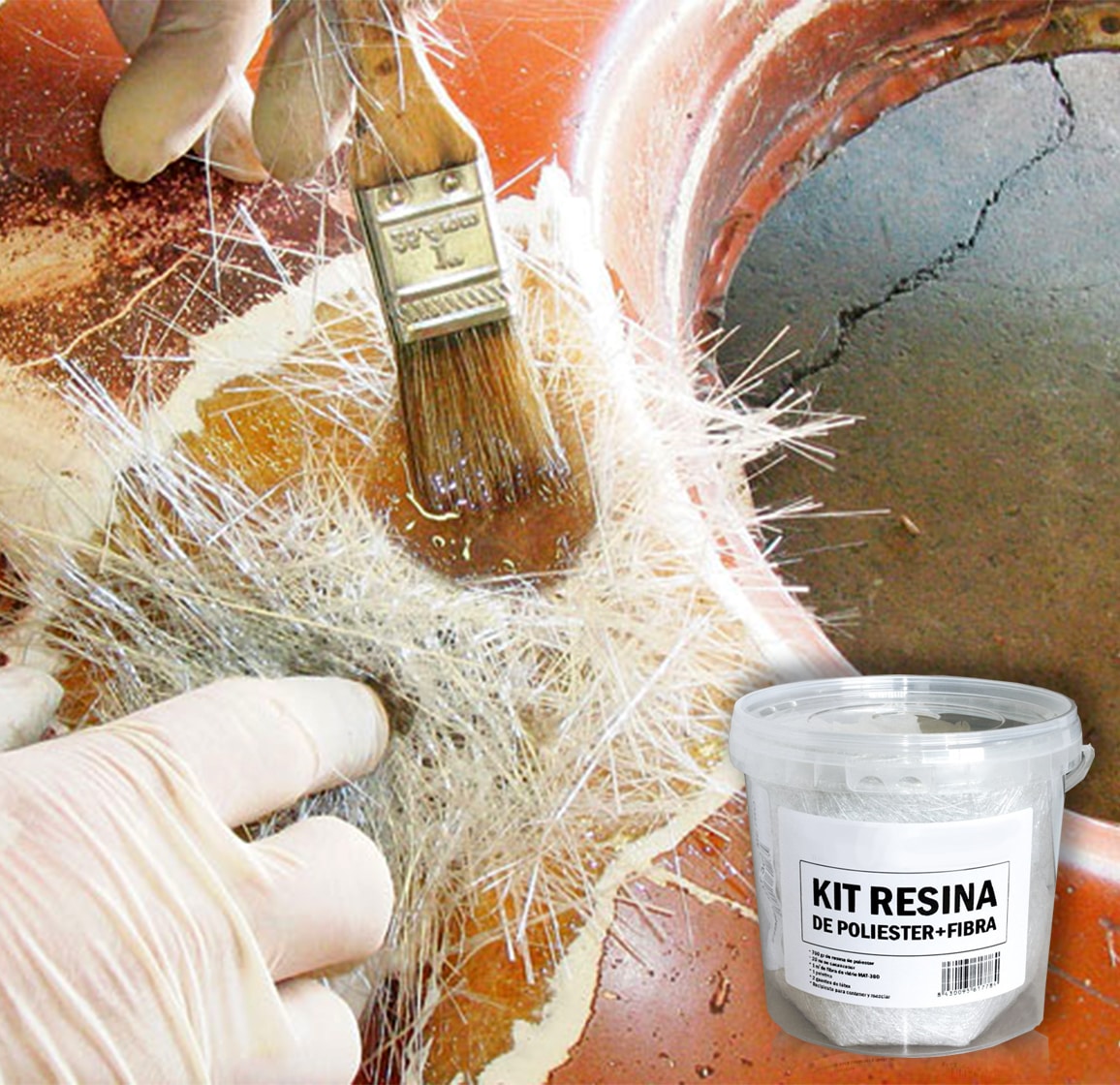
Step 1: Prepare Your Workspace and Safety Gear
Always wear gloves and work in a ventilated area when handling polyester resin and hardener. Lay down a protective covering on your workspace, and gather all required materials before you begin mixing. This minimises the risk of spills, skin contact, and inhalation of fumes. Make sure any fibreglass mats or surfaces to be repaired are dry and free of dust, grease, or contaminants.
Step 2: Measure Resin and Hardener Accurately
Accurate measurement of resin and hardener is vital to avoid weak curing or sticky results. Most polyester resins require around 2-3% hardener (catalyst, often MEKP) by weight of the resin. For example, when using the Resin Fibreglass Repair Kit – Complete Polyester Resin and Hardener Set, the kit is designed for a 3% hardener ratio. Use accurate scales or graduated containers to dispense both components.
Only prepare the amount of resin you can use safely within the resin’s working time, as it will begin to set after catalysis.
Step 3: Mix Thoroughly and Catalyse the Resin
Pour the measured resin into your mixing container. Thorough mixing ensures an even, strong cure. Slowly add the measured amount of hardener to the resin—never the other way around. Immediately stir the mixture in a steady, figure-eight motion for at least one to two minutes, scraping the sides and base of your container to prevent unmixed spots that could result in tacky or weak areas.
Add the hardener only when you are ready to pour, as catalysis will start the curing process with limited working time (typically 10–20 minutes at room temperature).
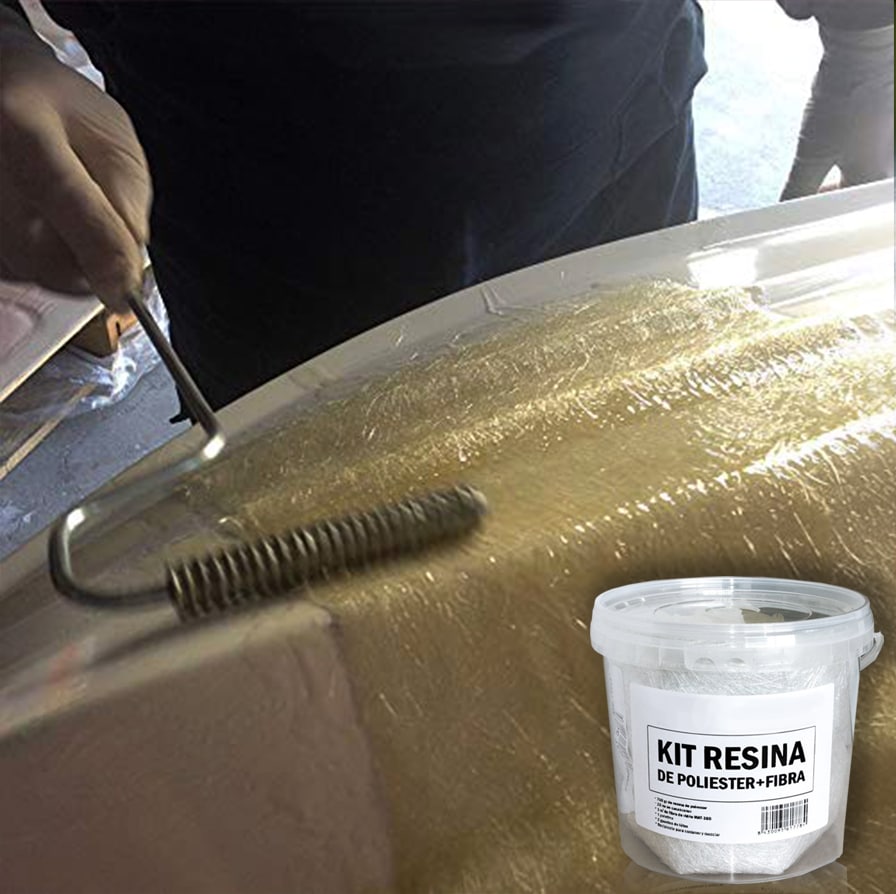
Step 4: Apply the Catalysed Resin
Once fully mixed, apply the catalysed resin promptly to your prepared surface, using a brush or spreader for an even coat. Work quickly but carefully, particularly in warmer conditions which will accelerate curing. If you’re using fibreglass matting, saturate it thoroughly with resin for a strong bond. For smooth finishing or to remove any surface bubbles, you may optionally use a Gas Heat Gun for Epoxy Resin – Precision Tool for Bubble Removal and Finishing at a safe distance—take care not to overheat or disturb the resin.
Tips and Mistakes to Avoid
Avoid breathing in fumes—ventilation is essential. Inaccurate mixing of hardener and resin will result in poor strength or sticky patches. Never mix large batches if you are new to catalysing polyester resin, as the reaction generates heat and can accelerate curing unexpectedly. Remember: all tools should be cleaned promptly before the resin sets, and never add more hardener to speed up curing, as this may cause brittleness.
Storing and Disposing of Polyester Resin Safely
Store your polyester resin and hardener in cool, dry conditions and away from direct sunlight. Ensure containers are tightly sealed to prevent moisture ingress. Dispose of unused catalysed resin in accordance with local environmental guidelines and never pour uncured resin or hardener down the drain.
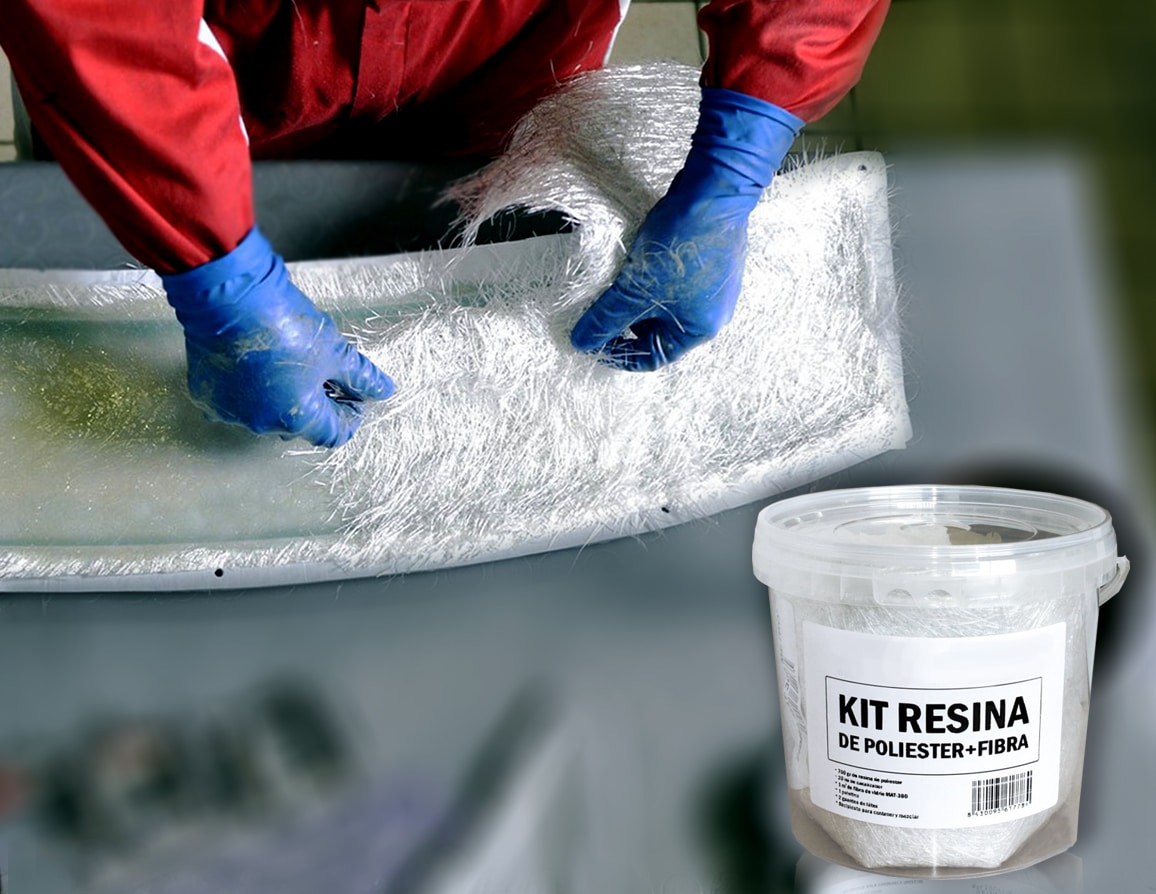
- Resin Fibreglass Repair Kit – Complete Polyester Resin and Hardener SetPrice range: £13.85 through £22.85The Resin Fibreglass Repair Kit contains polyester resin and hardener for structural repairs with waterproof bonds, suitable for multiple…
- Gas Heat Gun for Epoxy Resin – Precision Tool for Bubble Removal and FinishingPrice range: £4.15 through £13.85Gas Heat Gun aids epoxy resin projects by reducing bubbles and supporting a smooth finish, suitable for precision heating tasks.
Frequently Asked Questions
Can I reuse leftover mixed polyester resin?
No, once polyester resin is catalysed, it will harden and cannot be reused. Only mix as much as you need for each session.
How much hardener do I add to polyester resin?
Typically, use 2–3% hardener by weight of resin. Precise ratios ensure proper curing, so always follow manufacturer’s instructions.
How long does it take polyester resin to cure after catalysis?
Polyester resin usually cures in 10–20 minutes at room temperature, but exact times vary by product and conditions.
Does temperature affect how polyester resin cures?
Yes, higher temperatures speed up curing and lower temperatures slow it down. Always adjust working time accordingly.
Should I use a heat gun during polyester resin curing?
Only use heat to gently remove surface bubbles. Overheating can cause uneven curing or defects in the finished resin.
How should I clean tools after catalysing polyester resin?
Clean tools with acetone before resin hardens. Hardened resin must be scraped or sanded off.
Is it safe to catalyse polyester resin indoors?
Only if the area is very well-ventilated. Polyester resin emits strong fumes; outdoors or in a ventilated workshop is best.