 Free shipping on orders over £29,85
  Shipping Tracking!


 Google
 Facebook
← Back to How do you colour UV resin?
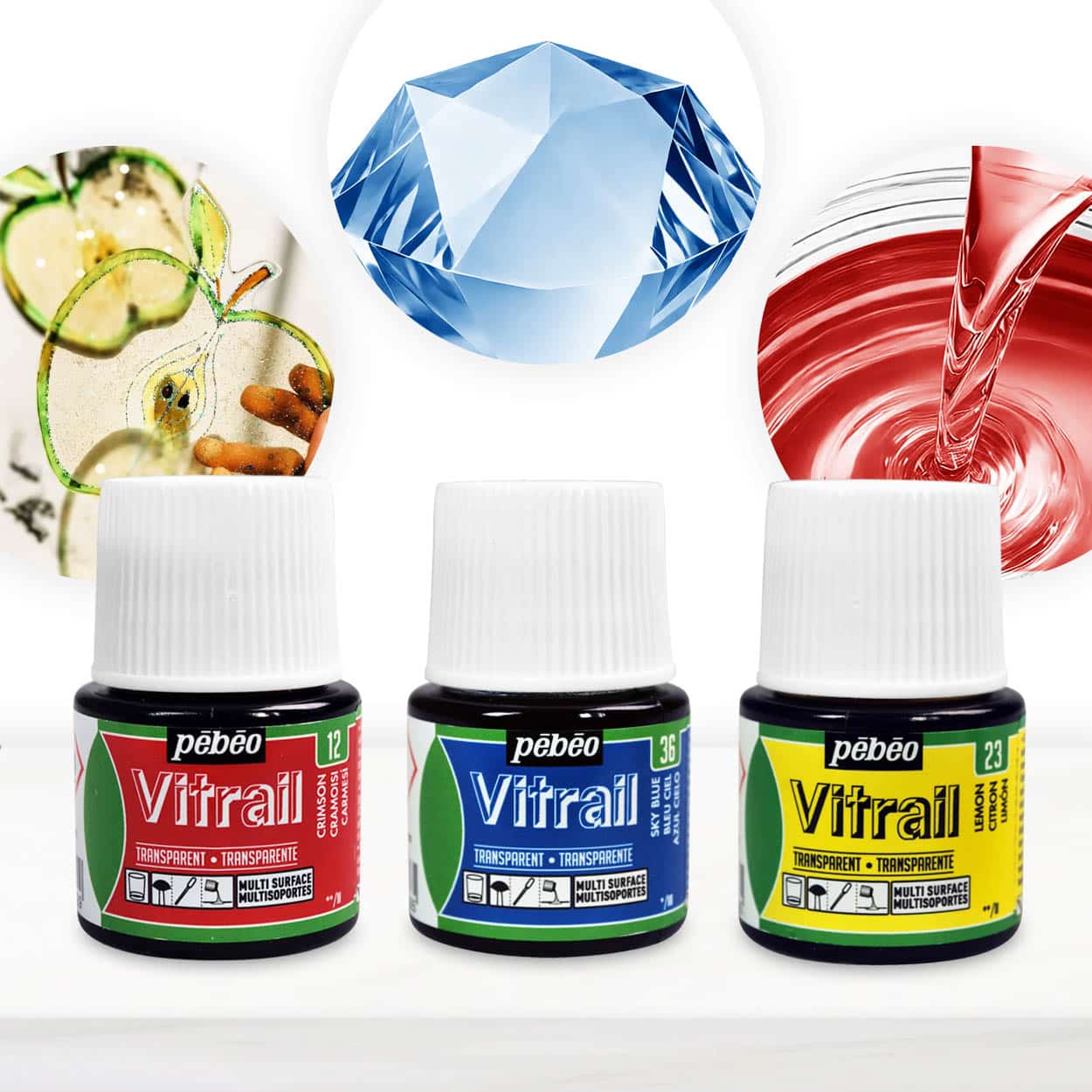
If you want to add colour to your UV resin creations, you’ll notice there are two main types of additives: pigments and dyes. Both can completely transform your project, but they’re used for different effects and finishes. Here’s what sets them apart and how to choose the right one for your artwork.
How Dyes and Pigments Work in UV Resin
Dyes are fully soluble in resin and blend seamlessly, allowing you to achieve glass-like transparent and tinted effects. This makes them ideal for projects where you want clarity or a stained-glass appearance. They don’t settle out, so the colour remains even throughout the cured piece.
Pigments, on the other hand, remain as fine particles suspended within the resin. This gives an opaque or semi-opaque finish, making them great for vibrant, solid colouring or special effects such as metallic, pearlescent, or glow-in-the-dark results. Some pigments, like interference or fluorescent powders, also add unique light-reactive qualities to your project.
Choosing the Right Colourant for Your Project
For projects that require a clear, jewel-toned look or where light can pass through, a transparent dye like Magic Crystal – Transparent Resin Colour gives the best results. It’s easy to control the shade by adjusting the quantity, so you can create anything from subtle tints to vivid, vibrant effects.
If bold, opaque colours or special finishes are your goal, pigments such as the Fluorescent UV Pigment Powder deliver intensity and unique effects, including glow-in-the-dark or metallic sheens. Just be sure not to exceed the recommended amount—usually up to 5% of the resin weight—to maintain a smooth cure and appearance.
When This Matters: Art, Jewellery, and Creative Resin Work
- Jewellery & Casting: Dyes are perfect for imitating gems, while pigments create solid colour and special surface effects.
- Art & Decor: Use pigments for bold, impactful designs or when you want to add shimmer and volume, such as with interference metallics like the Sahara Space Metallic Pigments.
- Layered or 3D Projects: Combining both types can offer depth—use transparent layers with dye and highlight details with pigments.
Related products
Related guides
Whether you’re aiming for crystal-clear transparency or eye-catching opacity in your UV resin work, understanding the role of dyes and pigments helps you select the perfect colourant for every creation. For more guidance on achieving your ideal finish, explore our full guide on colouring UV resin.