 Free shipping on orders over £29,85
  Shipping Tracking!


 Google
 Facebook
← Back to How to cover tiles with resin?
Achieving a flawless resin finish on tiles begins with a clean, dry, and dust-free environment. Preparation influences how well your resin adheres and the overall look of your project.
Why Moisture and Dust Are Problematic
Any lingering moisture or specks of dust can seriously affect the final appearance and durability of your resin coating. Moisture trapped beneath the resin can result in unwanted bubbles, cloudiness, or poor bonding. Dust particles, meanwhile, can embed themselves in the resin layer, making the surface rough or causing imperfections that are difficult to remove once cured.
Preparing Tiles for Resin Application
- Clean thoroughly: Start by washing your tiles to remove grease or residue, then dry them completely.
- Check for dust: Vacuum and wipe down the area to pick up fine debris before starting your resin work.
- Control the environment: If possible, close windows and doors to minimise airflow and prevent new dust from settling while you work.
Allow the tiles and surrounding surfaces to air dry fully—especially in kitchens or bathrooms, where moisture is often present. Consider using a heat gun or hairdryer on a low setting for stubborn damp spots.
When This Matters Most
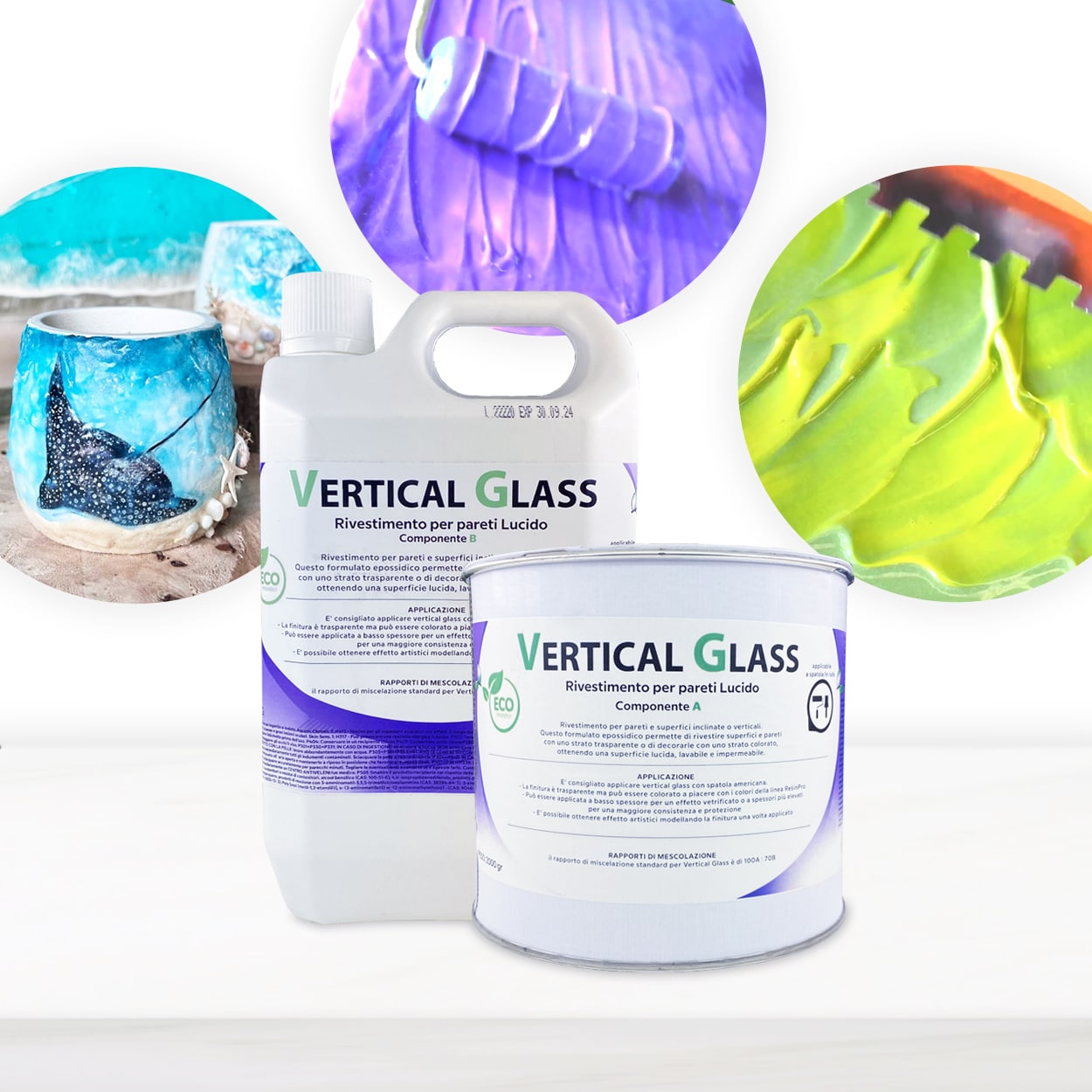
Taking the time to ensure dryness and cleanliness is particularly crucial for vertical surfaces or decorative coatings, such as when using “Vertical Glass” resin. In high-moisture rooms like bathrooms, this step is even more essential to achieve a lasting result and to protect your underlying tilework.
Related products
Related guides
Paying attention to preparation sets the stage for brilliant, long-lasting results when covering tiles with resin. For further detail on each step, visit our guide on how to cover tiles with resin.