 Free shipping on orders over £29,85
  Shipping Tracking!


 Google
 Facebook
How do you cover a sink if it is made of resin?
Resurfacing a resin sink is an effective way to restore shine, protect against daily wear, and extend its lifespan. Whether your sink has become dull, scratched, or stained, applying a new resin layer can give it a fresh, professional-grade appearance. This guide walks you through each step to safely and successfully cover a resin sink, ensuring a smooth and durable finish ideal for both kitchens and bathrooms.
Step-by-step guide to resurfacing your resin basin at home.
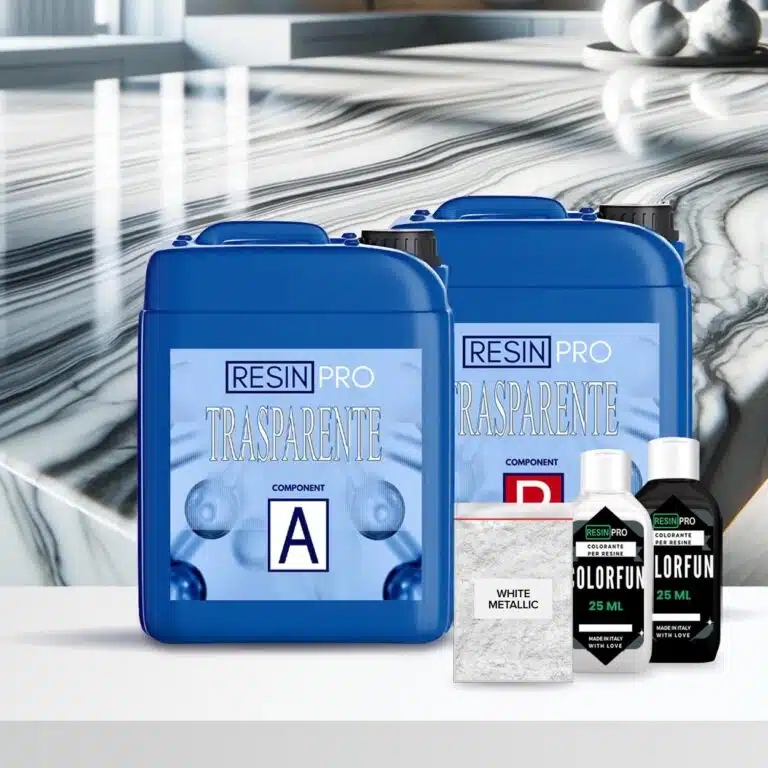
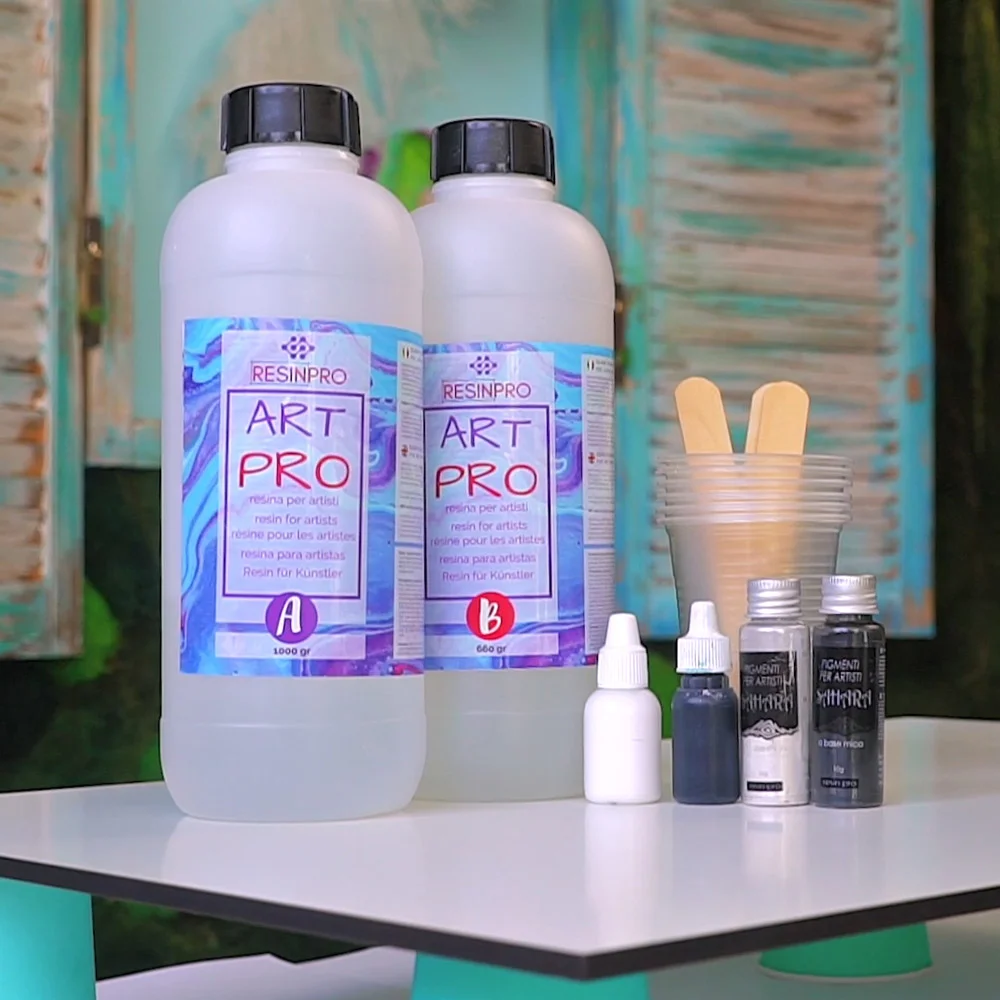
What You’ll Need
- “Art Pro” – Clear Epoxy Resin for Artists and Surface Coating: Provides a protective, glass-like finish that resists scratches and UV damage
- Protective gloves, mask, and goggles
- 120–220 grit sandpaper (for surface prepping)
- Mild detergent or surface cleaner
- Painter’s masking tape and plastic sheeting
- Clean, lint-free cloths
- Mixing containers, stirrers, and a spreader or brush

Essential Tools and Protective Measures
Personal protection is a must—always wear gloves, mask, and goggles when handling resin or sanded dust. Prepare your working area for good ventilation and keep all resin tools ready to avoid mid-project disruptions. Spending a few minutes on setup will help you achieve a professional result with less stress.
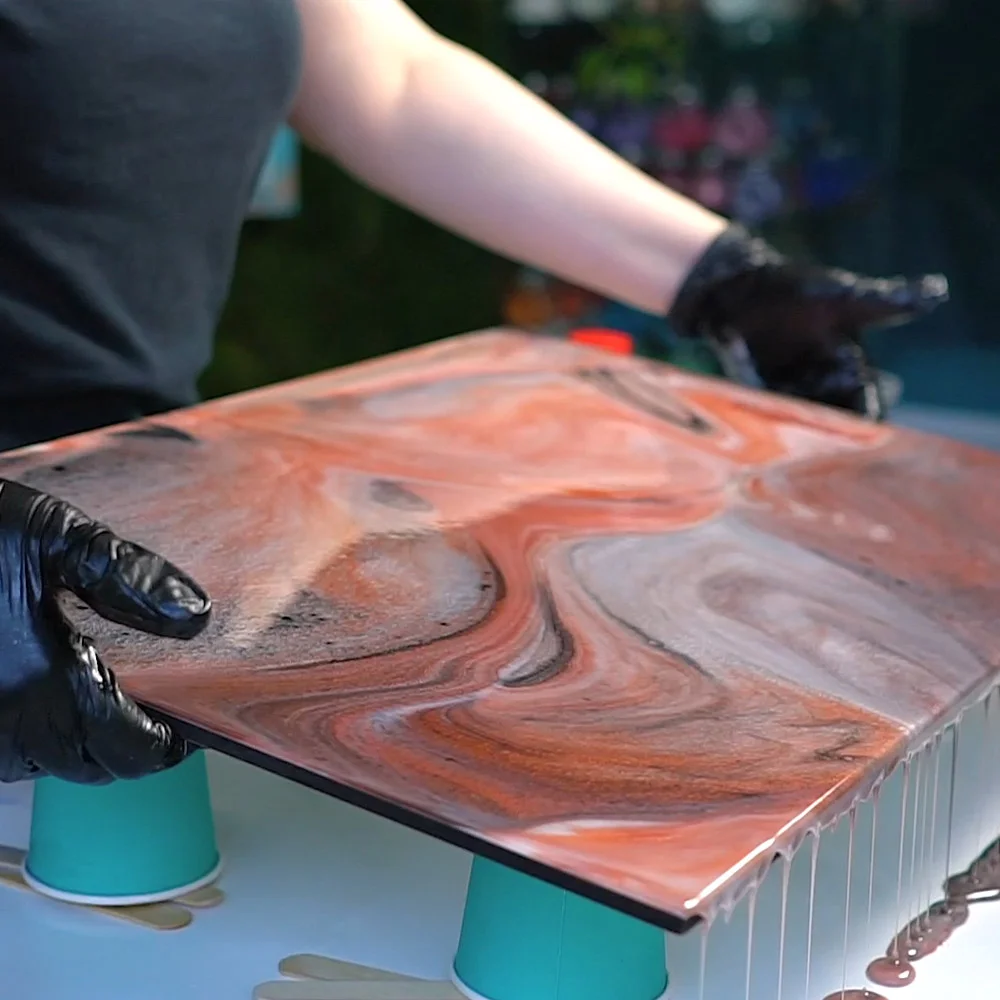
Step 1: Clean and Prepare the Sink
Clean thoroughly to remove residue before you start: use a mild detergent to eliminate dirt, soap scum, and grease. Rinse well and dry the entire sink surface with a lint-free cloth—any remaining dirt can cause imperfections in the final finish. Remove old sealant around the basin if present. Avoid harsh solvents that may react with the existing resin.
Step 2: Sand the Surface for Better Adhesion
Lightly sand to create adhesion using 120–220 grit sandpaper. Carefully sand all areas intended for recoating, including curved or difficult parts. The goal is a matte, slightly rough finish so the new resin bonds properly. Wipe away sanding dust with a damp, lint-free cloth and allow the sink to dry completely.
Step 3: Protect Surrounding Areas
Mask off the area with painter’s tape along the edges of the sink and cover nearby surfaces with plastic or paper sheeting. Protect taps and drain hardware if you do not want them to come into contact with resin. This prevents accidental drips and ensures clean feathery edges for your new finish.
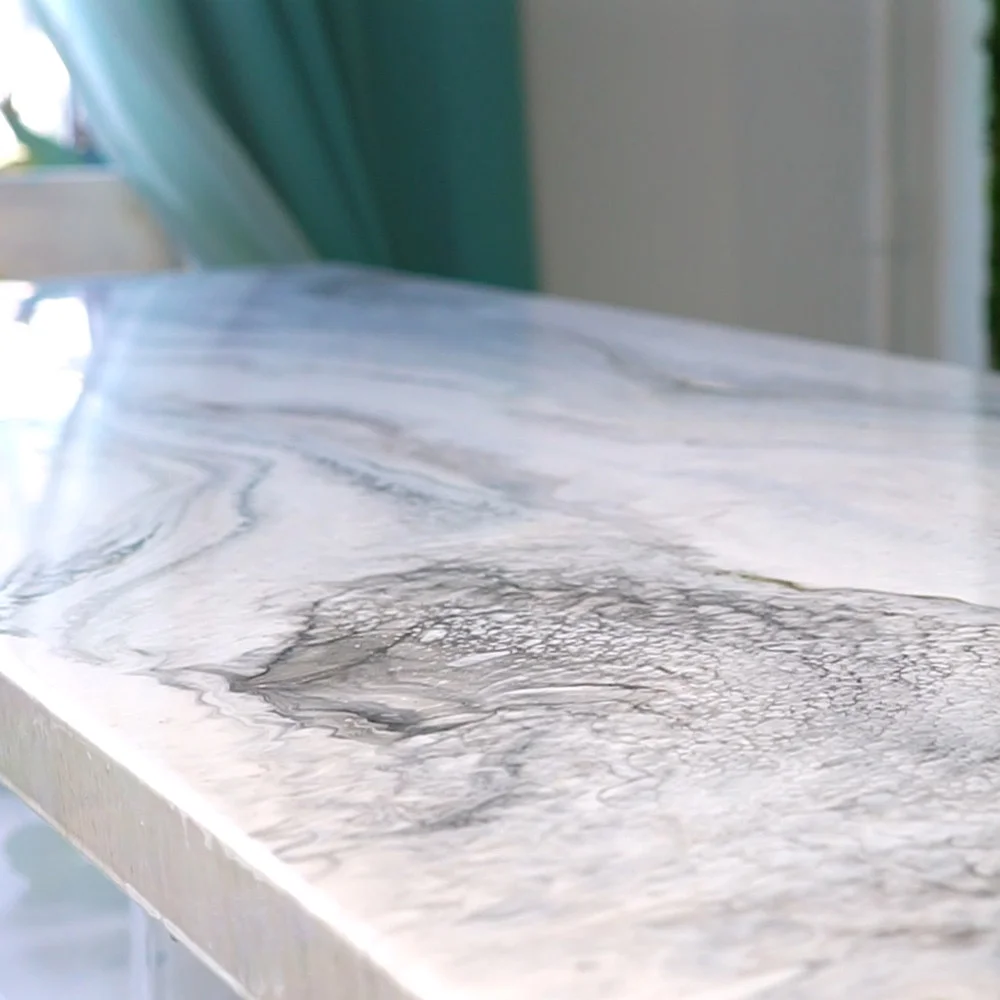
Step 4: Mix and Apply the Resin
Mix resin according to instructions provided with your chosen product. For a high-gloss, clear finish, consider “Art Pro” – Clear Epoxy Resin for Artists and Surface Coating, which provides excellent scratch resistance and UV protection. Ensure thorough mixing to achieve an even cure; unmixed resin leaves tacky spots or uneven sheen.
Pour and spread evenly using a brush or spreader, starting at one end of the sink and working across. Work methodically to smooth out air bubbles and ensure all areas are fully coated. Pay attention to corners and edges for complete coverage. Avoid overworking; excess brushing may introduce bubbles or streaks.

Step 5: Let the Resin Cure Properly
Allow to cure fully as per the product’s recommendations—usually 12–24 hours, depending on temperature and humidity. Prevent dust, water splashes, or disturbances while setting. Once cured, remove masking tape carefully. Check for any rough spots; you can re-sand and recoat if needed for the most flawless result.
Tips, Mistakes to Avoid, and Troubleshooting
Always ensure the sink is completely dry before epoxy application, as lingering moisture causes clouding or poor adhesion. Don’t rush the sanding—poor preparation is a leading cause of peeling or bubbling. Manage your workspace temperature, aiming for 18–24°C for best curing; lower temperatures may slow curing, whereas high humidity can create haziness. If you notice surface bubbles after application, pop them gently with a heat gun or blowtorch held lightly above the surface.
Maintaining Your New Resin Sink Finish
Avoid abrasive cleaners or harsh chemicals on your new surface. Use only mild soap and non-abrasive cloths for daily cleaning. Periodically check for scratches or dullness; touching up with a thin coat of Art Pro can refresh gloss and protection. Simple maintenance will keep your sink resilient and beautiful for years.
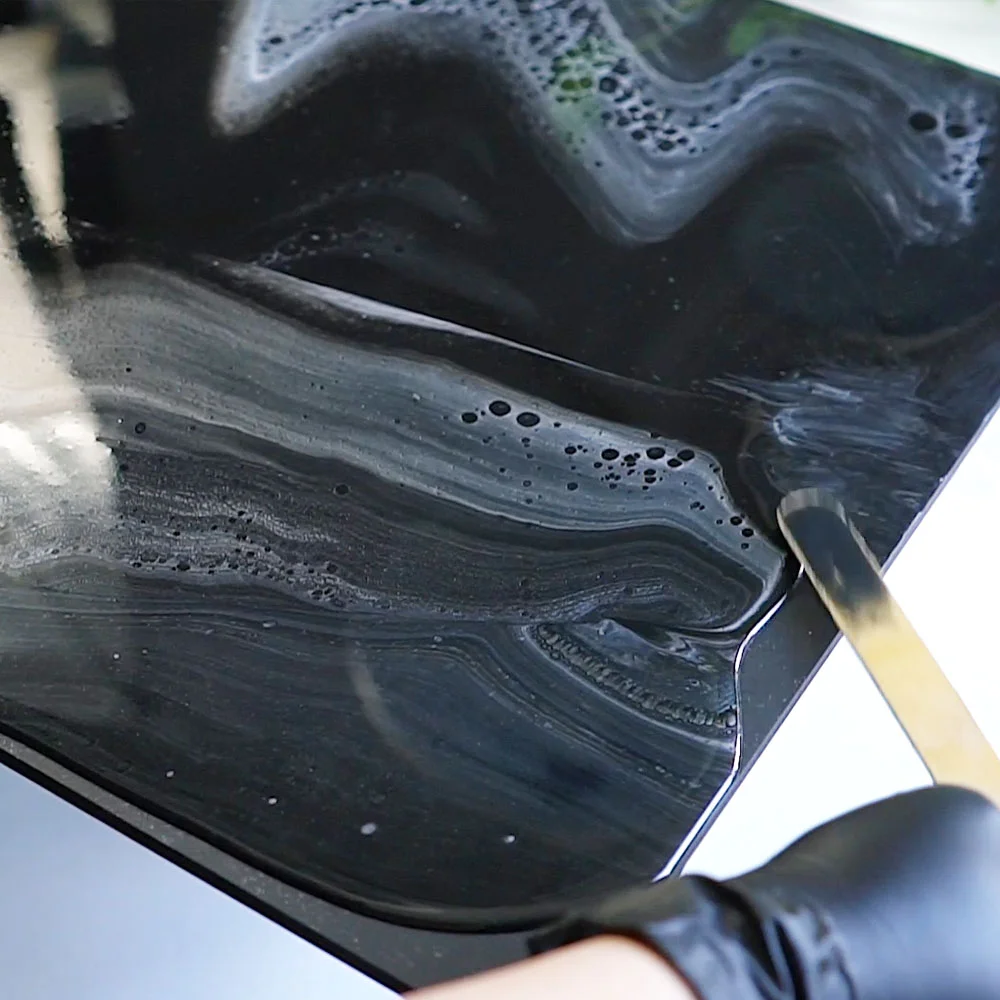
- "Stone Effect Collection" – Marble Epoxy Resin Countertop KitPrice range: £54.85 through £394.85"Stone Effect Collection" offers an all-in-one epoxy resin kit for durable, professional marble and stone effect surfaces suitable for kitchens and…
- "Art Pro" – Clear Epoxy Resin for Artists and Surface CoatingPrice range: £31.15 through £388.85Art Pro clear epoxy resin offers a durable, clear finish suitable for surface coatings in artistic projects related to resin sinks.
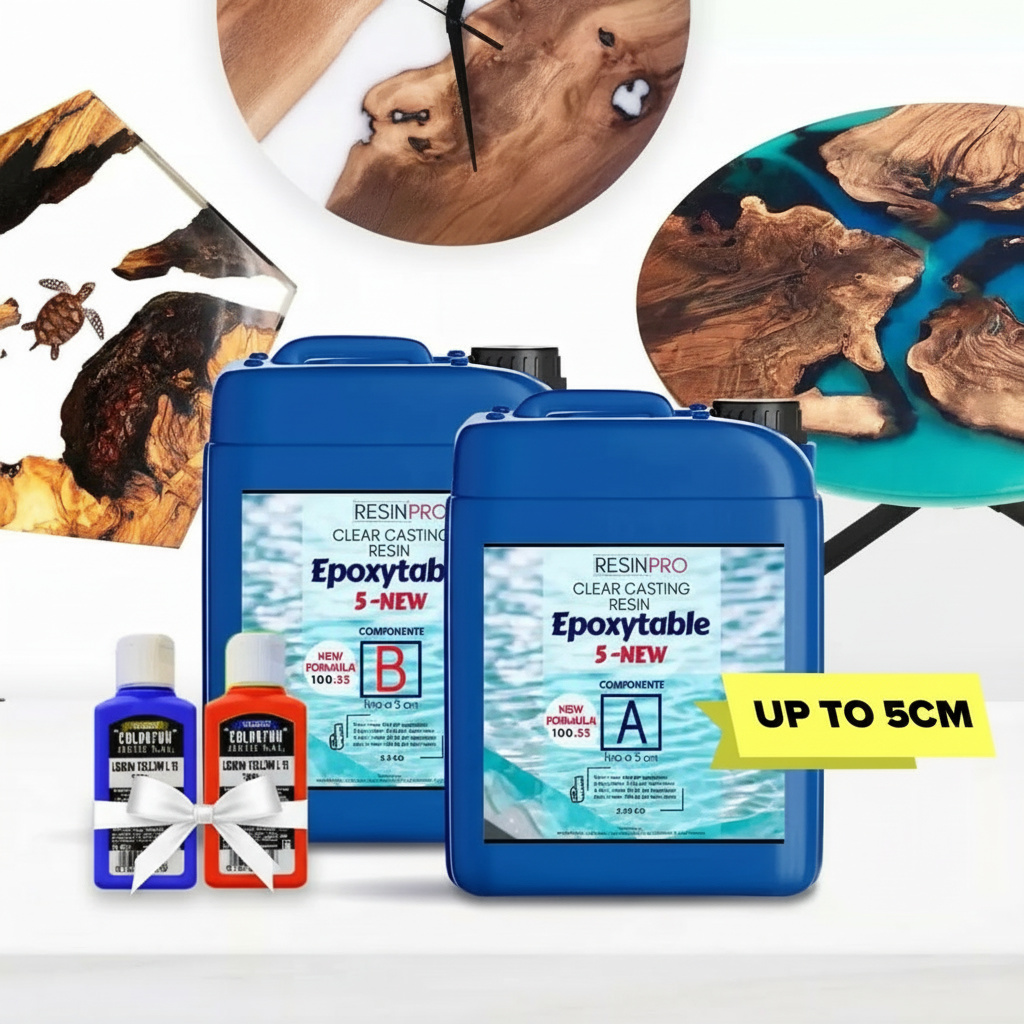 "EpoxyTable 5-Five" – Deep Pour Epoxy Resin for Tables and Large Projects – Up to 5cmPrice range: £16.85 through £1,099.85EpoxyTable 5-Five is designed for deep pouring projects up to 5cm thickness, commonly used for tables and large resin artworks.
 "Trasparente" – Multipurpose Clear Epoxy Resin for Casting – Up to 2cmPrice range: £8.45 through £948.85Clear epoxy resin designed for casting layers up to 2cm with a glossy, self-levelling finish suitable for a range of DIY and woodworking projects.
Frequently Asked Questions
Can I apply epoxy resin over an existing resin sink?
Yes, you can apply a fresh epoxy resin coating to a resin sink if it is clean and properly sanded for adhesion.
What type of resin is best for recoating a sink?
A clear, surface-coating epoxy resin is recommended for sinks, offering scratch resistance and a high-gloss finish.
Do I need to sand the resin sink before recoating?
Yes, sanding creates a matte texture for the new resin to bond securely, preventing peeling or flaking.
How long does the resin coating need to cure on a sink?
Typically, it takes 12 to 24 hours for an epoxy resin coating to cure, depending on the product and room conditions.
How do I avoid bubbles in my sink resin coating?
Mix your resin thoroughly and pop any surface bubbles using a heat gun or torch before curing.
What if the new resin surface looks dull or scratched?
You can lightly sand and apply another thin resin layer to restore gloss and smoothness.