 Free shipping on orders over £29,85
  Shipping Tracking!


 Google
 Facebook
← Back to How do you build a resin coffee table?
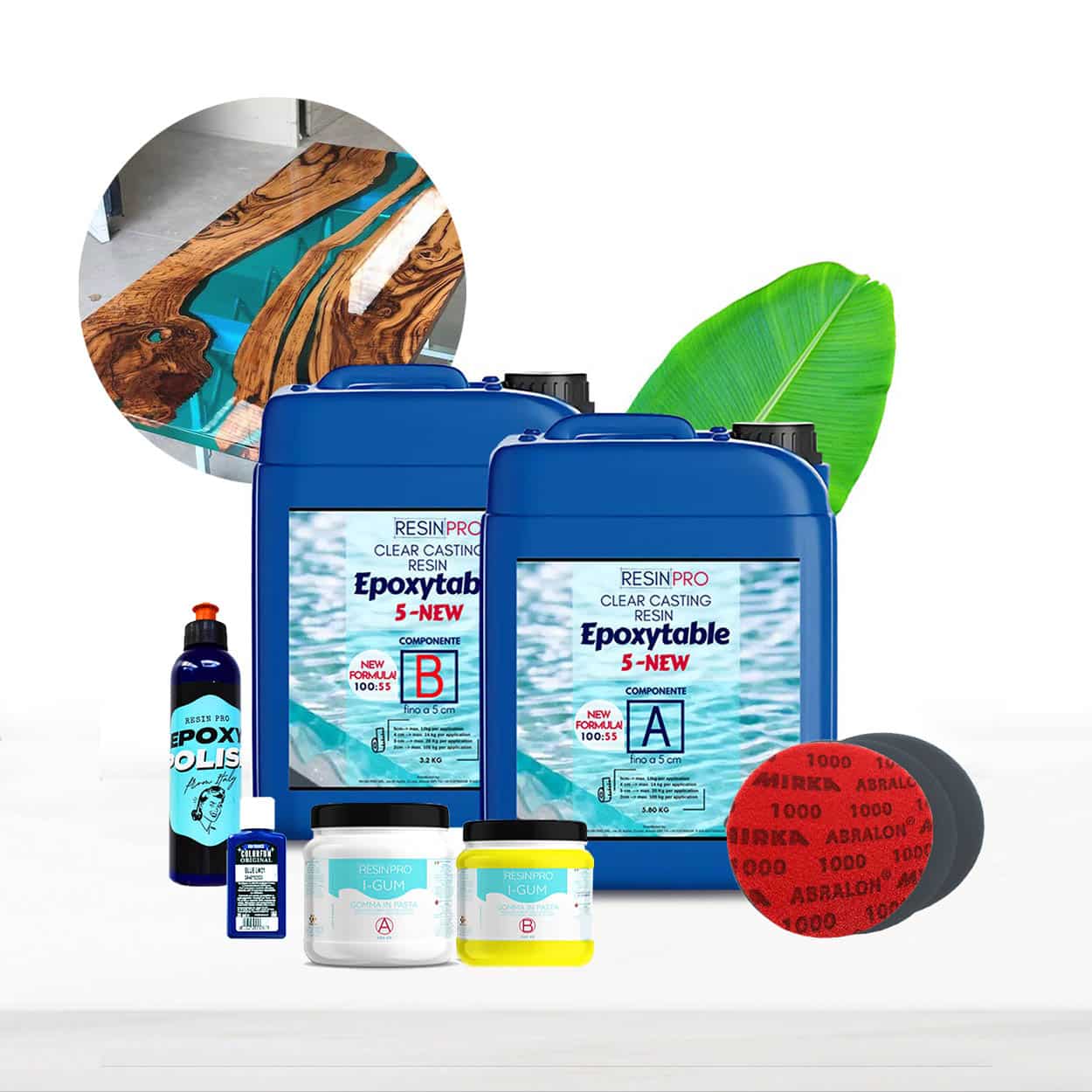
Preparing raw wood properly is a crucial step in resin table projects. By sealing the wood before pouring resin, you significantly reduce bubbles and achieve an even, professional finish on your coffee table.
Why Sealing Matters Before Pouring Resin
Wood is naturally porous and can trap moisture or air, both of which may escape as bubbles during the curing process of resin. Additionally, unsealed surfaces can cause uneven resin absorption, leading to patchy or dull spots on your table. Sealing helps to create a controlled barrier, keeping bubbles at bay and ensuring the resin cures smoothly.
How to Seal Wood for Resin Tables
- Choose an appropriate sealant: Many resin artists use a thin layer of epoxy resin or a specialist wood sealer compatible with epoxy.
- Apply a thin coat: Spread a small amount over all wood surfaces with a brush or roller, paying particular attention to edges and knots.
- Allow to cure fully: Make sure the seal coat is completely dry before proceeding with your main pour to prevent unwanted curing issues.
For a seamless start, the “River-Table” Complete Kit provides clear resin for sealing and main pours, along with instructions to guide beginners step-by-step.
When This Matters Most
Sealing is particularly important with timber featuring voids, cracks, or prominent grain. Without this step, trapped air can escape into the resin, marring the crystal-clear finish expected on statement coffee tables.
Related products
Related guides
Proper sealing sets the foundation for any resin coffee table project, eliminating avoidable bubbles and inconsistencies. For more guidance on building stunning resin tables from start to finish, explore our main guide on how to build a resin coffee table.