 Free shipping on orders over £29,85
  Shipping Tracking!


 Google
 Facebook
How do you build a resin coffee table?
Create a unique statement piece with wood and epoxy resin
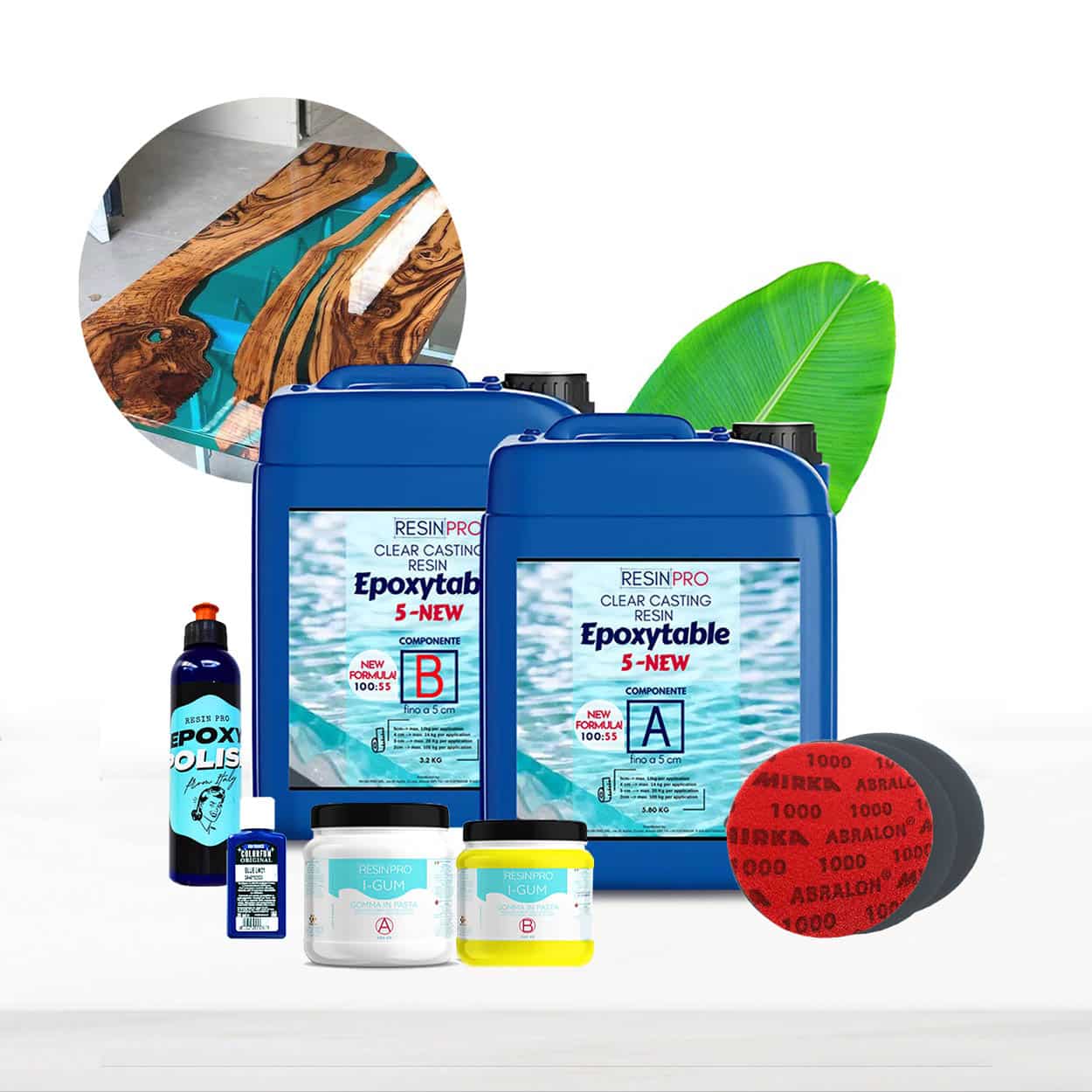
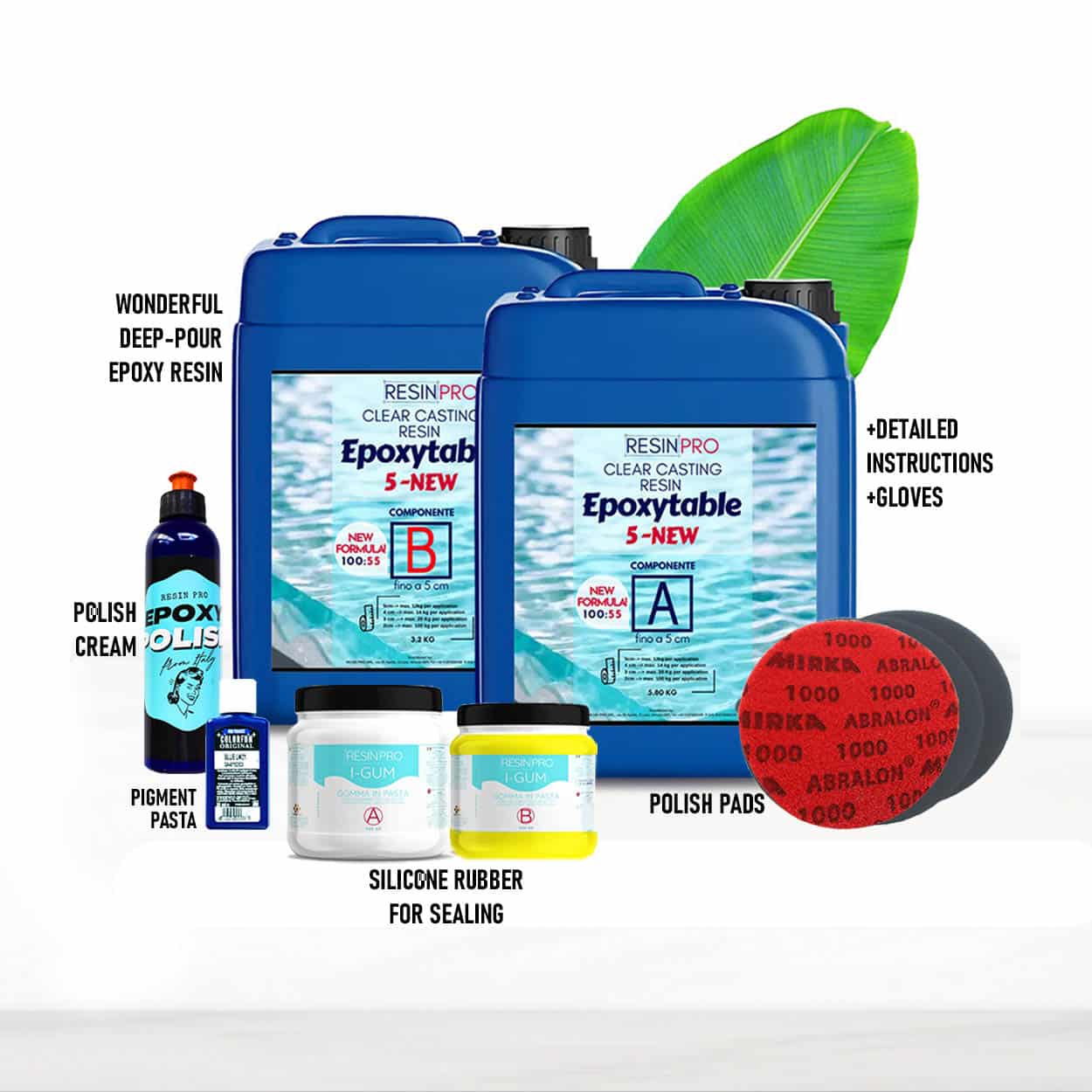
Building your own resin coffee table combines functional furniture making with creative, artisanal flair. Whether you are looking to feature a striking river design, embed unique objects, or simply want a glossy finish on natural wood, this guide will take you through each essential stage for professional results at home. No advanced carpentry skills required—just patience, attention to detail, and a few specialised materials.
What You’ll Need
- “River-Table” – Complete Kit for Creating Your First Epoxy Resin Table – A comprehensive kit including resin, hardener, pigments, polishing supplies, and detailed instructions.
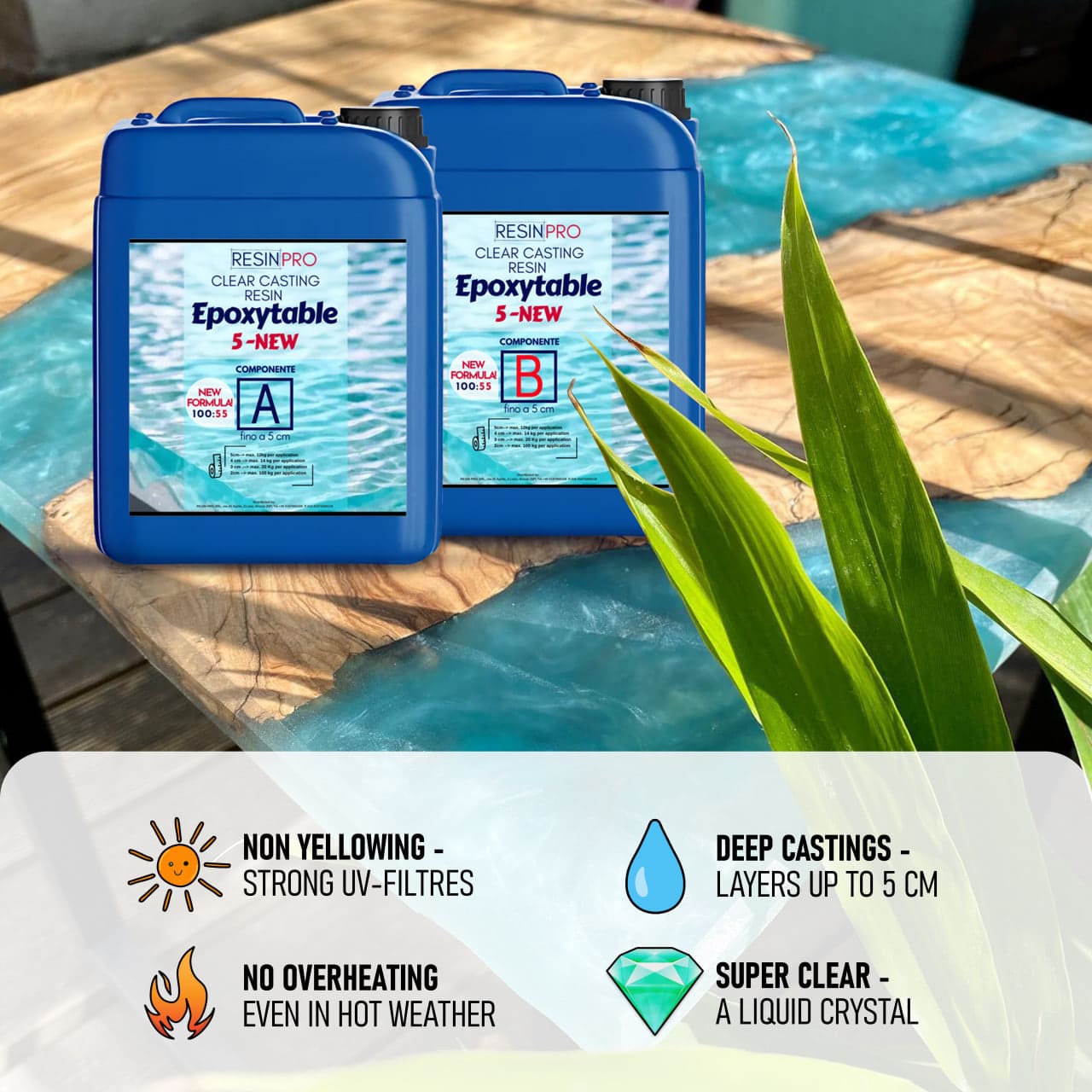
- “EpoxyTable 5-Five” – Deep Pour Epoxy Resin for Tables and Large Projects – Up to 5cm – For thicker pours and large tables requiring up to 5cm casting.
- “Epoxytable 10-Ten” – Deep Pour Epoxy Resin for Tables, Up to 10cm Casting – For super-deep pours and dramatic river designs.
- MDF Board Base for Epoxy Resin Table and Art Projects – Provides a sturdy, flat foundation for your table project.
- Protective gloves, safety glasses, mixing buckets, stirring sticks, clamps, and a sander or sandpaper (various grits).

Inspiration for Resin Coffee Tables
Explore stunning examples of completed DIY resin and wood coffee tables for design ideas and colour inspiration. From classic river tables to embedded art pieces, resin offers endless creative scope for living spaces.
Step 1: Prepare the Wood and Table Base
Select your wood slabs or pieces and ensure they are completely dry, flat, and free from dust or oils. Cut the wood to your desired coffee table size, then sand the edges for a smooth finish. Position the wood on a level surface or mount it on an MDF Board Base for Epoxy Resin Table and Art Projects to guarantee stability during pouring.
Seal any porous surfaces by brushing on a thin coat of epoxy resin, which prevents air bubbles and resin loss during the main pour. Allow to cure fully before moving on.
Step 2: Build the Mould and Ensure a Leak-Free Fit
Create a mould using MDF boards or other flat, non-porous materials. Line the inside with release tape or a plastic film to make removal easier after curing. Assemble the edges securely and seal all joints with silicone to prevent leaks when pouring resin.
Firmly clamp the wood within the mould and double-check for any gaps that could allow resin to escape. A careful set-up here makes for a much smoother pour.
Step 3: Mix and Pour the Epoxy Resin
Carefully measure the amount of resin and hardener following the manufacturer’s instructions. Stir thoroughly, scraping the sides and bottom of your mixing container—accuracy and patience are key. Pigments or dyes may be added at this stage for colour effects.
For most coffee tables up to 5cm thick, choose “EpoxyTable 5-Five”; for deeper features, opt for “Epoxytable 10-Ten”. Pour slowly, allowing the resin to fill voids and surround the wood with minimal bubbles. In deeper projects, pour in layers if exceeding recommended thickness to prevent overheating and curing issues.

Step 4: Curing, Demoulding, and Final Finishing
Once your initial pour is complete, cover the table to prevent dust contamination and let it cure according to instructions. This can take several days, depending on the resin type and room temperature. Resist the urge to disturb the table during curing.
After the resin is fully hardened, carefully demould your table. Sand the surface, starting with rough grits to remove imperfections and progressing to finer grits for a polished look. You can achieve a glass-like finish with polishing creams—kits such as the “River-Table” – Complete Kit for Creating Your First Epoxy Resin Table include suitable finishing supplies and guidance.

Tips, Common Mistakes, and Troubleshooting
Safety first: always wear gloves and work in a ventilated area. Accidental skin contact or inhaling fumes can be harmful—protect yourself throughout each stage.
Wait for full curing before using your table. Using or demoulding too soon may lead to surface defects or warping. Curing times vary, so consult the resin instructions closely.
Plan your pour: thickness and temperature matter. Exceeding recommended pour depths or working in extreme temperatures can cause overheating, bubbling, or incomplete curing.
Seal wood to avoid bubbles and uneven curing. Unsealed wood can trap air and moisture, leading to bubbles or cloudy resin. Take the extra step for best results.
Finishing Touches for Your Resin Coffee Table
Add a protective wax or an extra layer of clear resin for long-lasting shine. Stylish metal or wooden legs complete your unique centrepiece, transforming your resin coffee table into a true conversation starter.

- "River-Table" – Complete Kit for Creating Your First Epoxy Resin TablePrice range: £188.85 through £444.85"River-Table" kit includes materials and detailed instructions for creating a wooden and resin table, suited for those interested in resin coffee…
- "EpoxyTable 5-Five" – Deep Pour Epoxy Resin for Tables and Large Projects – Up to 5cmPrice range: £16.85 through £1,099.85"EpoxyTable 5-Five" is designed for deep pouring up to 5cm, suitable for tables and large projects within the theme of building a resin coffee table.
 “Epoxytable 10-Ten” – Deep Pour Epoxy Resin for Tables, Up to 10cm CastingPrice range: £33.85 through £334.85Epoxytable 10-Ten is a low-viscosity epoxy resin for deep casting up to 10cm, suited for tables under the theme 'How do you build a resin coffee…
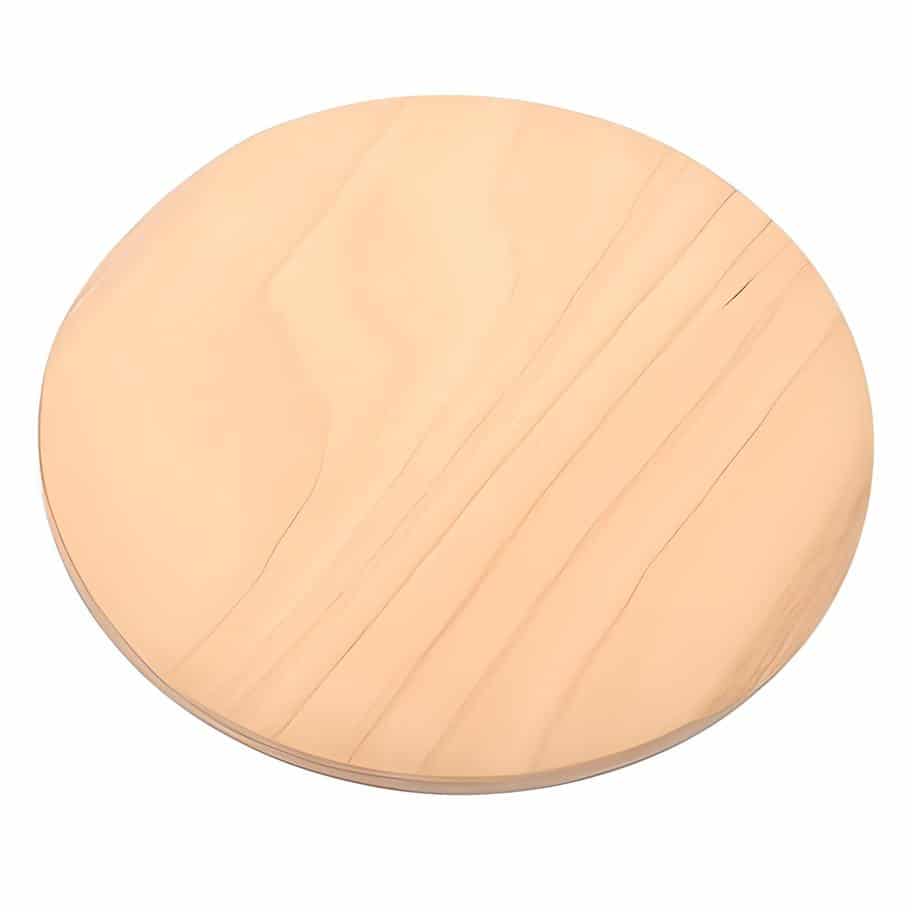 MDF Board Base for Epoxy Resin Table and Art ProjectsOriginal price was: £25.00.£17.85Current price is: £17.85.This MDF board base provides a stable surface for resin tables and art, suited to artists and beginners engaging in epoxy projects.
Frequently Asked Questions
How do I choose the right resin for my coffee table?
Choose resin based on your intended pour thickness—use specialised deep pour resin for layers above 2cm, and seal the wood for optimal results.
How can I prevent bubbles forming in my resin?
Work on sealed wood, mix resin slowly, and pour in a thin stream to reduce trapped air. A gentle torch can also help release surface bubbles.
How long does a resin coffee table take to cure?
Full curing can range from two to seven days, depending on resin brand, layer thickness, and ambient temperature. Always check your product's guidelines.
Can I embed objects in my resin coffee table?
Yes—ensure items are clean and dry. Arrange them before pouring, and pour resin in layers if embedding larger objects to prevent floating.
What is the best way to finish a resin coffee table?
Sand progressively with finer grits and polish with cream for a glossy effect. Wipe the table clean before final assembly and use.
How do I prevent resin from leaking out of the mould?
Seal all mould joints with silicone and check for gaps before pouring. Use non-stick lining materials for easy removal afterward.