 Free shipping on orders over £29,85
  Shipping Tracking!


 Google
 Facebook
← Back to How to make objects with transparent resin?
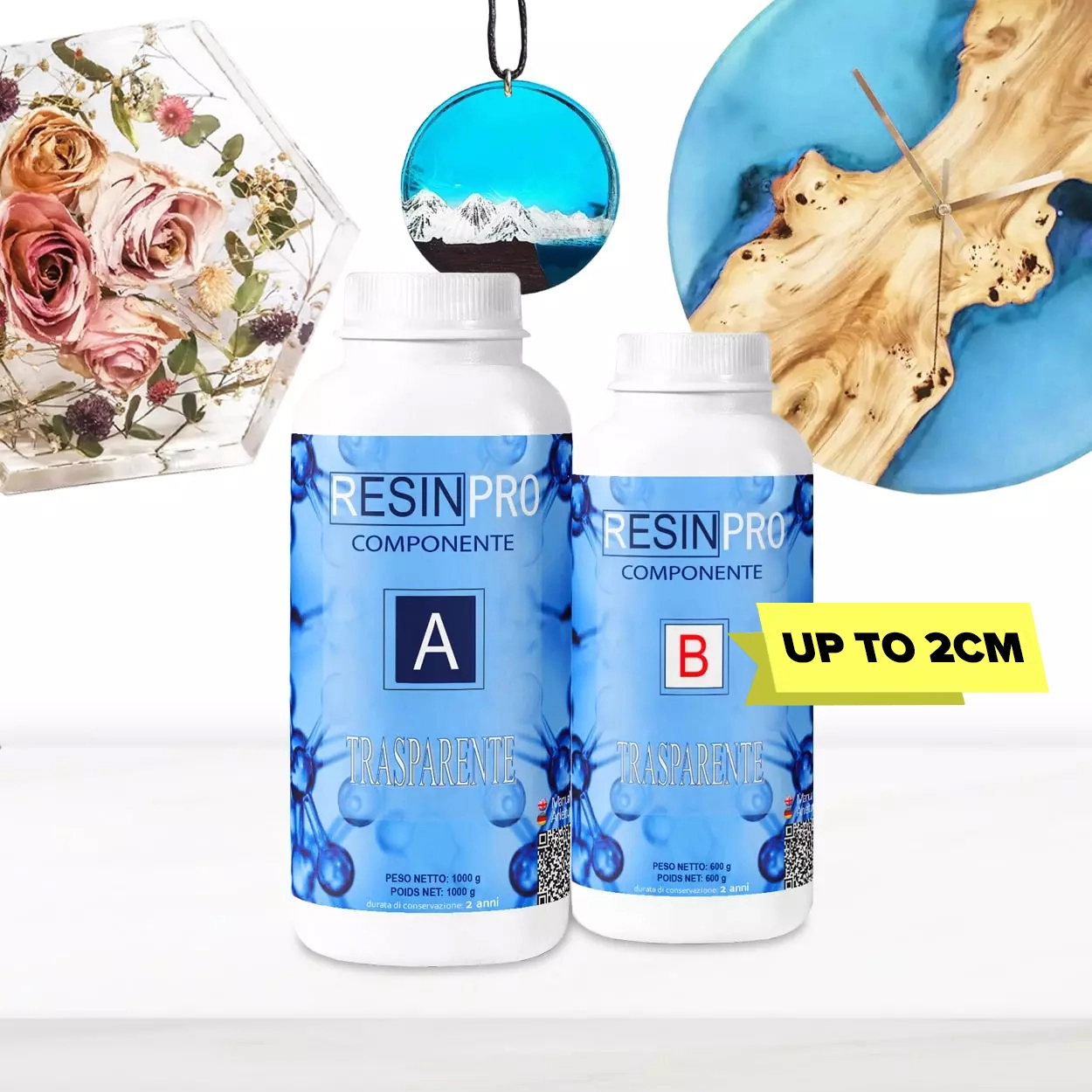
When casting with transparent resin, the thickness of each poured layer plays a major role in the clarity and success of your finished piece. Pouring too thick can cause problems that are difficult or impossible to repair.
Why Layer Thickness Matters
Resin generates heat as it cures. If you pour a layer that is too thick for your chosen product, this heat can build up, increasing the risk of bubbles or even cracking. Overheating may also cloud the resin and leave you with a less transparent result. Each resin has a safe maximum pour depth, and exceeding this can compromise both appearance and structural integrity.
Choosing the Right Resin for Your Project
- Up to 2cm: For smaller castings or items like jewellery, opt for a dedicated casting resin such as “Trasparente”. It offers outstanding clarity for shallow layers.
- 2-5cm: For moderate thicknesses like those needed for river tables or medium sculptures, choose a deep pour formulation like EpoxyTable 5-Five.
- Up to 10cm: For very deep pours, such as statement table tops, use a specialist resin such as “Epoxytable 10-Ten” that is engineered for these depths without excessive exotherm.
Layering Technique for Thicker Castings
If your design requires a finished piece thicker than your resin’s recommended maximum, pour in several thin layers, waiting for each to partially cure before proceeding. This staged approach prevents overheating, helps avoid bubbles, and preserves the clear look resin artists aim for.
When This Matters
Following the correct layer thickness is most crucial for large or deep resin projects, like decorative tables or artistic castings, where clarity and structural soundness are essential.
Related products
Related guides
Being mindful of the correct pouring depth will help you achieve the flawless results you want with transparent resin projects. For more resin casting tips and inspiration, see our comprehensive guide on making objects with transparent resin.