 Free shipping on orders over £29,85
  Shipping Tracking!


 Google
 Facebook
← Back to How to fix resin that has darkened the surface?
Darkening of resin surfaces can be a frustrating issue for makers and artists alike. Understanding the factors behind this change helps keep your resin creations looking their best for as long as possible.
Common Reasons Resin Darkens
One of the main causes of resin darkening is exposure to sunlight or other sources of ultraviolet (UV) light. Over time, UV rays can break down the components of cured resin, leading to subtle or noticeable yellowing or darkening, especially on unprotected surfaces. Contaminants such as dust, grease, or residues from previous projects can also cause shading issues, as can improper finishing techniques or abrasive cleaning products.
Prevention Tips for Keeping Resin Bright
- Limit UV Exposure: Try to keep finished pieces out of direct sunlight, or consider a clear topcoat with UV inhibitors for extra protection.
- Maintain Cleanliness: Regularly remove dust and grime using a soft cloth and a gentle, resin-safe cleanser, like the Strong Technical Degreaser.
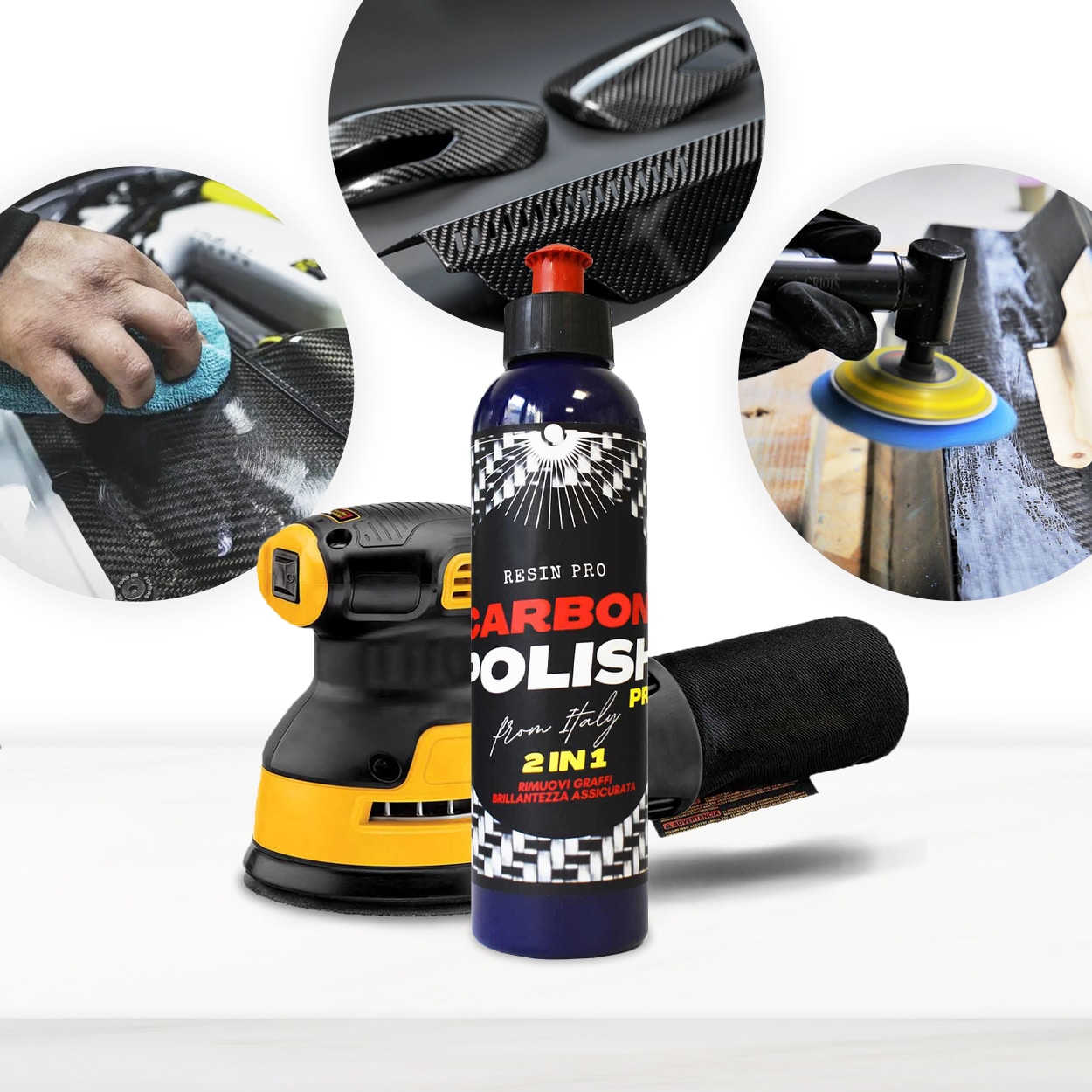
- Choose Appropriate Finishing Products: Avoid using household abrasives that can scratch and cloud resin. Instead, use products formulated for resin care, such as Epoxy Polish or Carbon Polish for dark surfaces for a glossy finish without residue.
When This Matters Most
Prevention is key if you’re working on pieces that will be displayed in bright rooms, used outdoors, or intended as high-value gifts. In these situations, careful cleaning and appropriate polishing are especially important in maintaining the clarity and vibrancy of your work.
Related products
Related guides
By focusing on proper care and preventative steps, you can enjoy clear, brilliant resin work for years to come. For more guidance on restoring darkened surfaces, see our main resin darkening guide.