 Free shipping on orders over £29,85
  Shipping Tracking!


 Google
 Facebook
How do you cover a resin staircase?
Transforming your staircase with a resin covering can dramatically enhance both its appearance and durability. This guide walks you through each stage – from prepping raw treads to applying a smooth, glossy finish – so you can tackle the process with confidence, whether revitalising old timber stairs or upgrading a feature staircase for modern living.
Achieve a durable, seamless surface on your stairs with resin


What You’ll Need
- “Art Pro” – Clear Epoxy Resin for Artists and Surface Coating for thin, high-gloss coats and decorative clarity
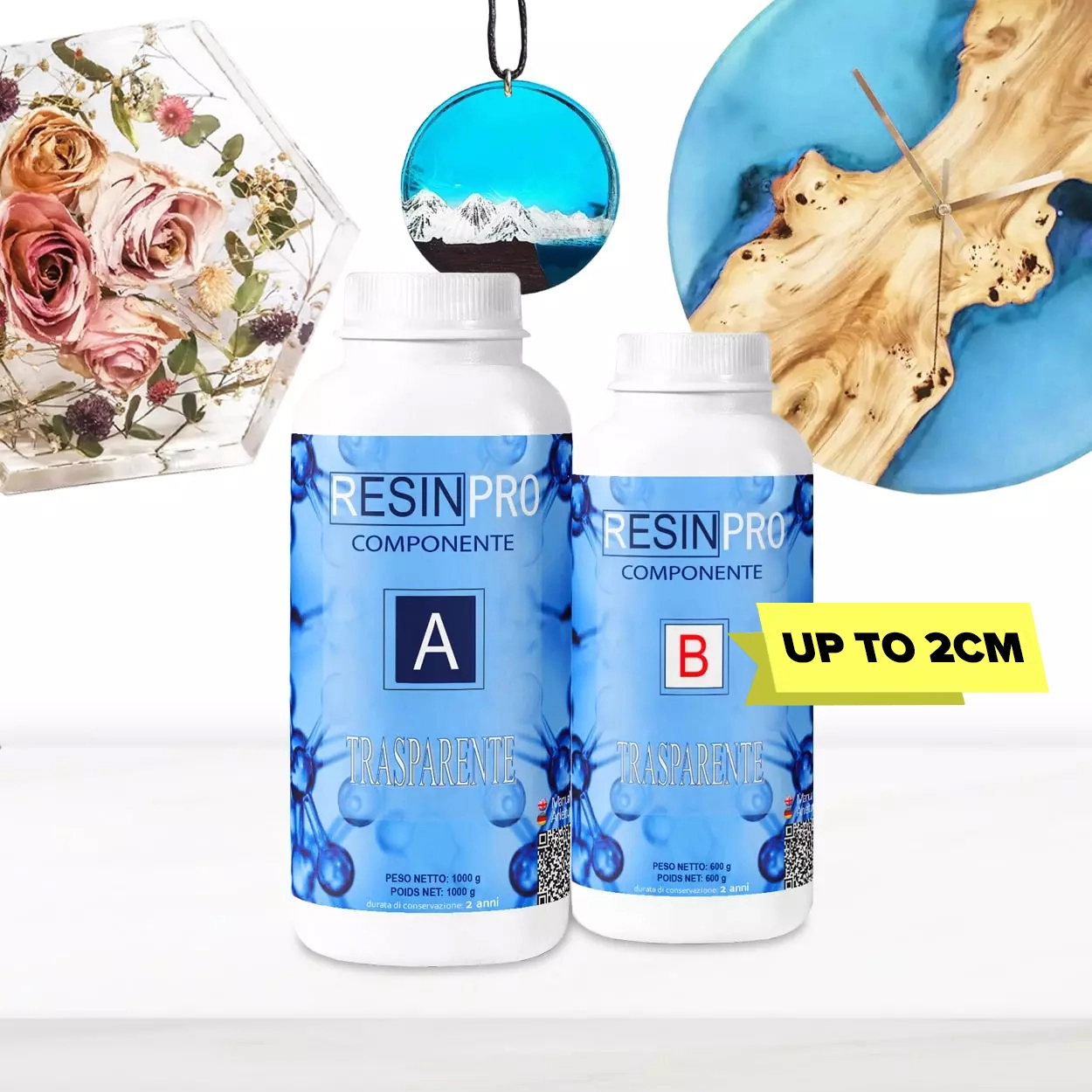
- “Trasparente” – Multipurpose Clear Epoxy Resin for Casting – Up to 2cm for thicker layers or a more structural coating
- “EpoxyWood” – Wood Restoration Epoxy Resin for Deep Penetration and Waterproofing for sealing and reinforcing wooden stairs
- Sandpaper (various grits)
- Protective gloves and a dust mask
- Clean, lint-free cloths
- Painters’ tape and plastic sheeting
- Mixing containers and stirrers
- Small paint roller or brush suitable for resins

Visual Inspiration for Resin Staircases
See stunning examples of stairs transformed with resin. Notice how clear coatings can highlight timber grain or add contemporary shine to each tread and riser. Resin surfaces can range from warm, natural looks to high-gloss statement pieces.

Step 1: Prepare and Seal the Staircase
The foundation of a successful resin surface lies in thorough preparation. Begin by ensuring all treads, risers, and nosings are completely clean and dry. Old finishes and debris should be removed through sanding, progressing from a coarser to finer grit for a smooth surface. Wipe away all dust with a damp lint-free cloth and allow the wood to dry fully before proceeding.
If your staircase is made of wood or has vulnerable spots, it is essential to reinforce and waterproof the underlying surface to prevent future moisture damage or structural weakness. Applying a dedicated wood epoxy, such as “EpoxyWood” – Wood Restoration Epoxy Resin for Deep Penetration and Waterproofing, deeply penetrates the timber, strengthening it and ensuring long-term adhesion of the resin coat above. Allow this layer to cure as recommended before moving forward.
Step 2: Mask and Protect Surroundings
Resin is self-levelling and can spill over edges, so masking is critical. Use painters’ tape and plastic sheeting to shield adjacent flooring, balustrades, and walls. Create a clear workspace and ventilate the area; epoxy fumes may be present during application and curing stages. Always wear gloves and a dust mask when handling resin components.
Carefully check that each stair edge is protected. It is often helpful to add makeshift dams at stair nosings to prevent resin from running over and ensure a neat, level finish.
Step 3: Mix and Apply the Resin
Choose the correct resin based on the thickness and look you desire. For a thin, ultra-clear coat, “Art Pro” – Clear Epoxy Resin for Artists and Surface Coating provides exceptional shine and is ideal for layers between 1 and 10 mm. If your staircase would benefit from a thicker, more robust layer, “Trasparente” – Multipurpose Clear Epoxy Resin for Casting – Up to 2cm is engineered for deep pours up to 20 mm with outstanding scratch resistance and UV protection.
Mix the selected resin carefully, following the manufacturer’s 3:2 (or specified) ratio. Stir slowly to minimise bubbles and pour only what you can apply within the resin’s working time. Start at the top of the staircase, pouring or rolling the resin evenly across each tread and riser. Work methodically, ensuring consistent coverage and using a brush for corners or detailed sections. Allow the resin to self-level, and if bubbles appear, gently pass a heat gun or blowtorch (used safely and briefly) over the surface to eliminate them.

Step 4: Cure and Unmask for a Flawless Result
After application, it is imperative to leave the resin undisturbed for the entire curing period, which can range from 12 to 48 hours depending on the product and environmental conditions. Ensure no dust or debris lands on the curing surface, as these can mar the flawless finish.
Once fully set, slowly remove all masking materials. Inspect each stair for evenness and shine. If any imperfections are present, such as drips or raised edges, they can be lightly sanded and an additional coat applied for the perfect final appearance.
Tips, Common Mistakes, and Troubleshooting
Avoid rushing surface or mixing preparations, as rushed steps commonly result in patchy adhesion or premature wear. Never pour resin in layers thicker than what is recommended for your chosen product, as overheating, clouding or cracking can result. Maintain room temperatures within the manufacturer’s stated curing range for the best outcome.
If bubbles persist after initial pour, allow the resin to settle for a few minutes before using gentle heat. Dust can be problematic – always work in a clean, controlled environment. Finally, consider applying a non-slip additive to the last resin layer if your stairs will see heavy use or require extra safety.
Application Finishes and Texture Ideas
Gloss, satin, or textured? Experiment with different finishes on test boards before committing to the full staircase. Layers, pigments, and optional non-slip aggregates can be incorporated for bespoke visual effects and safety.

- "Art Pro" – Clear Epoxy Resin for Artists and Surface CoatingPrice range: £31.15 through £388.85"Art Pro" clear epoxy resin provides a durable, high-gloss finish suitable for artists and crafters seeking quality surface coatings.
- "Trasparente" – Multipurpose Clear Epoxy Resin for Casting – Up to 2cmPrice range: £8.45 through £948.85"Trasparente" is a clear epoxy resin suitable for detailed castings and table creation with up to 2cm thickness, fitting this resin staircase theme.
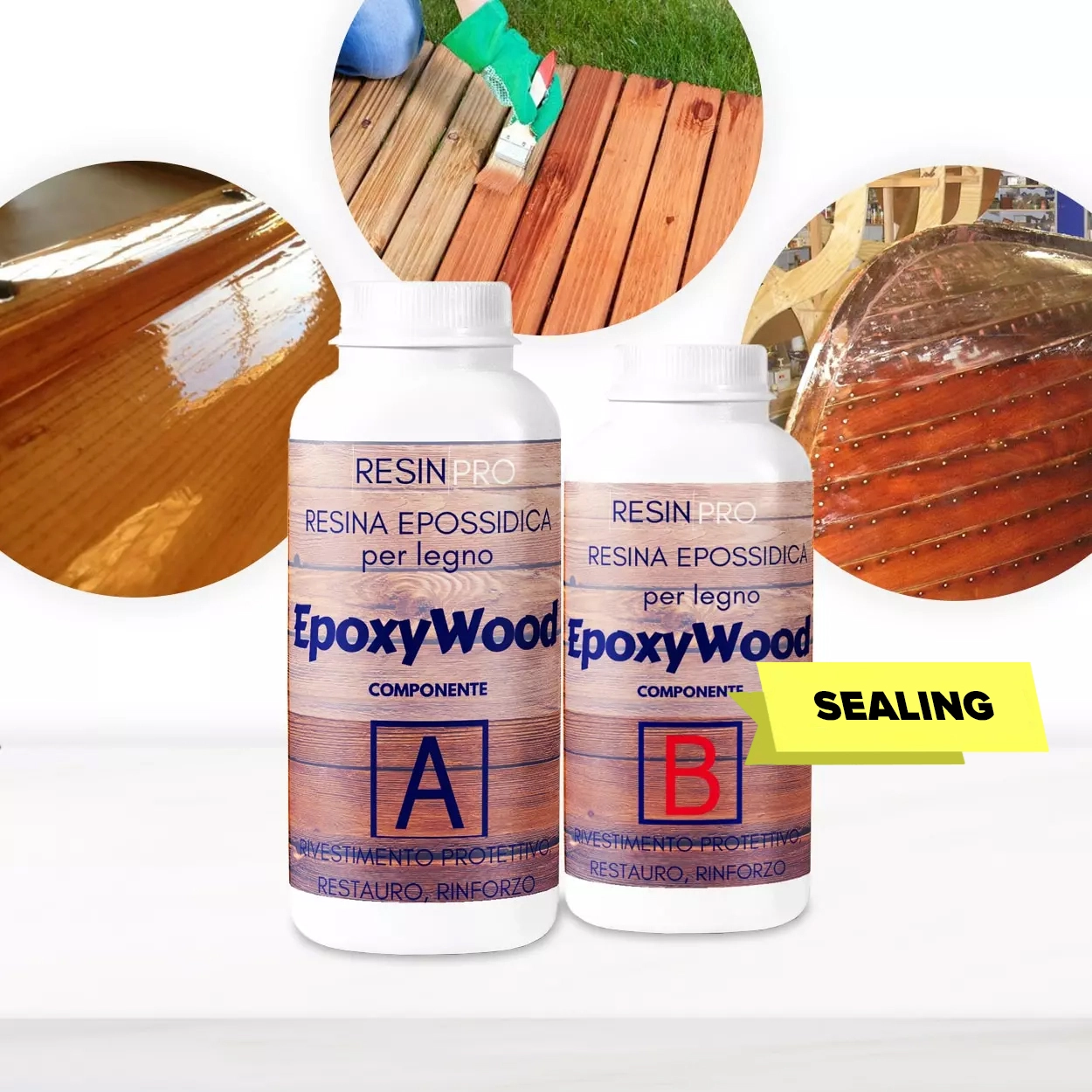 "EpoxyWood" – Wood Restoration Epoxy Resin for Deep Penetration and WaterproofingOriginal price was: £64.00.£39.85Current price is: £39.85."EpoxyWood" is designed for repairing and protecting wooden surfaces with deep penetration and waterproofing suited to the theme of covering a resin…
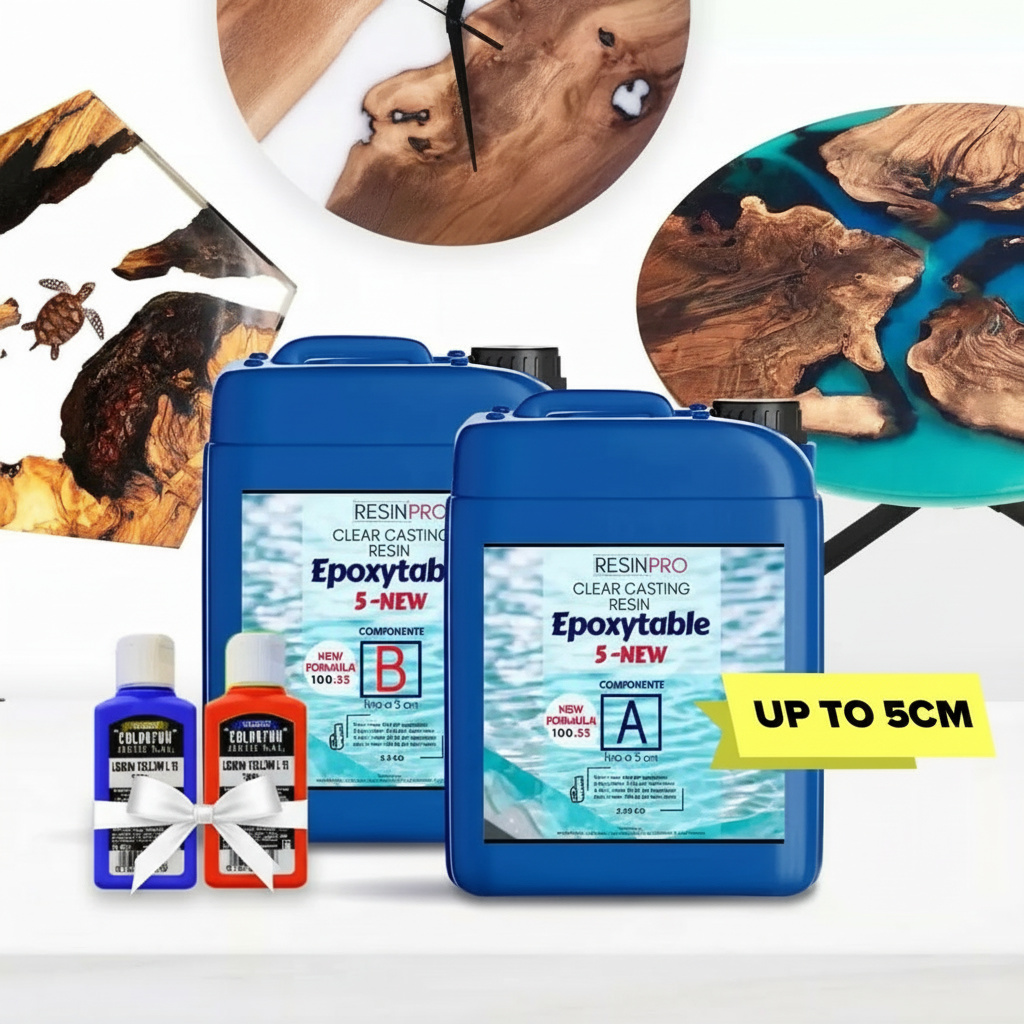 "EpoxyTable 5-Five" – Deep Pour Epoxy Resin for Tables and Large Projects – Up to 5cmPrice range: £16.85 through £1,099.85"EpoxyTable 5-Five" is a deep pour epoxy resin designed for tables and large projects, suitable for layers up to 5cm with good mechanical resistance.
Frequently Asked Questions
Which type of resin is best for coating a staircase?
Choose a high-clarity epoxy formulated for surface coatings or medium-depth pours, such as 'Art Pro' for thin layers or 'Trasparente' for thicker coverage.
Can resin be applied directly to old wooden stairs?
Old wood should be cleaned, sanded, and sealed before resin application. Use a deep-penetrating wood epoxy first for best results.
Is epoxy resin durable enough for staircases?
Epoxy resin forms a hard, scratch-resistant surface suitable for heavy foot traffic when applied and cured correctly.
How long does resin take to cure on stairs?
Curing times range from 12-48 hours, depending on chosen resin and conditions. Avoid use until fully hard for lasting results.
How can I make resin stairs non-slip?
Mix a non-slip additive or broadcast aggregate onto the resin's final coat for extra safety underfoot.
Will my resin-coated staircases yellow over time?
Choose a resin with UV protection and anti-yellowing claims, such as those specified here, to ensure long-term clarity.