 Free shipping on orders over £29,85
  Shipping Tracking!


 Google
 Facebook
How to build resin stage sets?
A step-by-step guide for durable, artistic stage designs

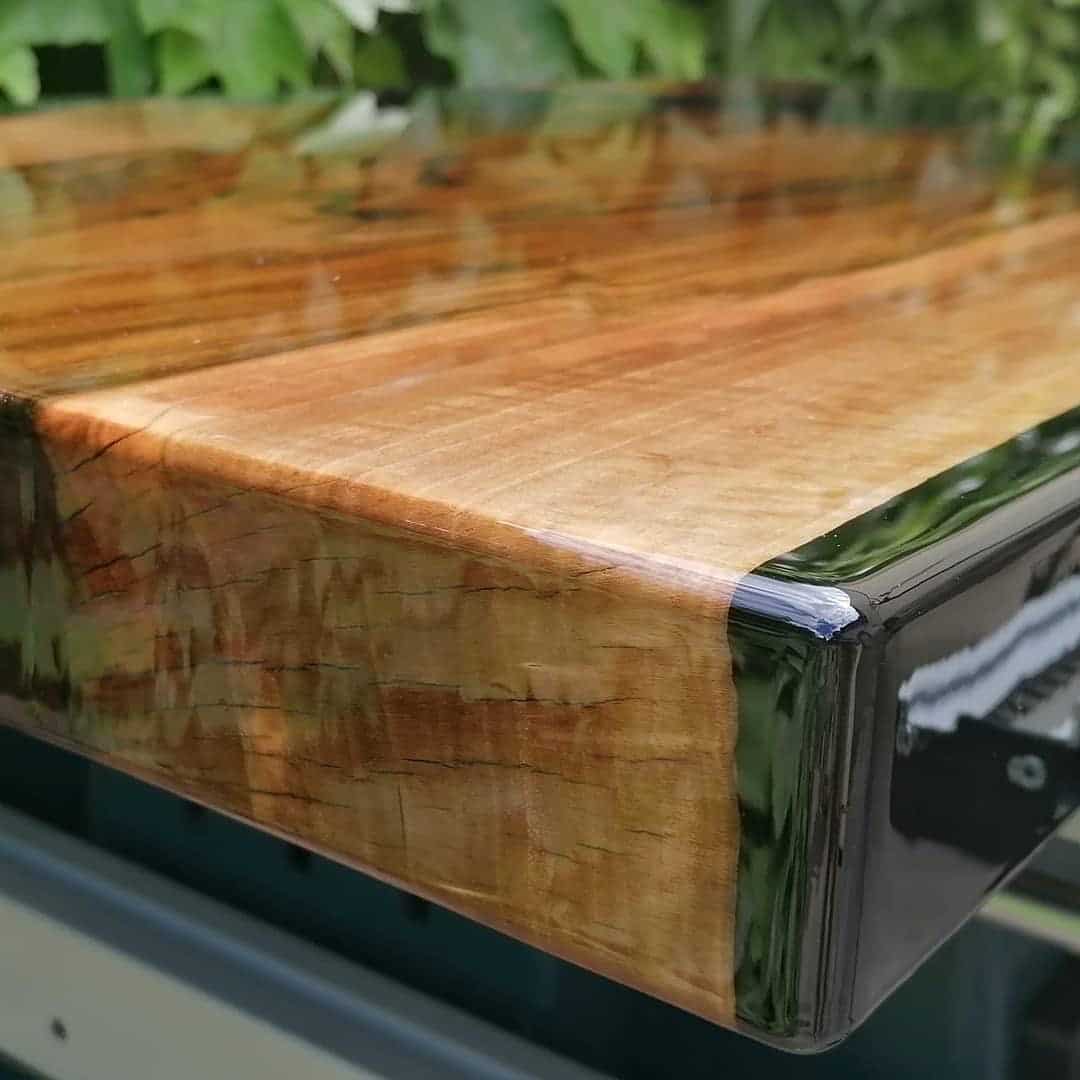
Creating professional resin stage sets combines artistry and technical build skills to achieve stunning backdrops, props, and scenic elements that withstand demanding theatre environments. This guide takes you through the essentials of planning, assembling, and finishing resin-based sets, making sure your projects are durable, visually striking, and practical for live performances.
What You’ll Need
- “Epoxytable 10-Ten” – Deep Pour Epoxy Resin for Tables, Up to 10cm Casting: For thick, transparent casting in large scenic elements.
- “EpoxyTable 5-Five” – Deep Pour Epoxy Resin for Tables and Large Projects – Up to 5cm: Ideal for medium-depth set details and props.
- “River-Table” – Complete Kit for Creating Your First Epoxy Resin Table: For comprehensive stage pieces, includes sealant and finishing materials.
- “EpoxyWood” – Wood Restoration Epoxy Resin for Deep Penetration and Waterproofing: Seals and strengthens wooden frameworks before resin work.

Visualising Resin Stage Set Possibilities
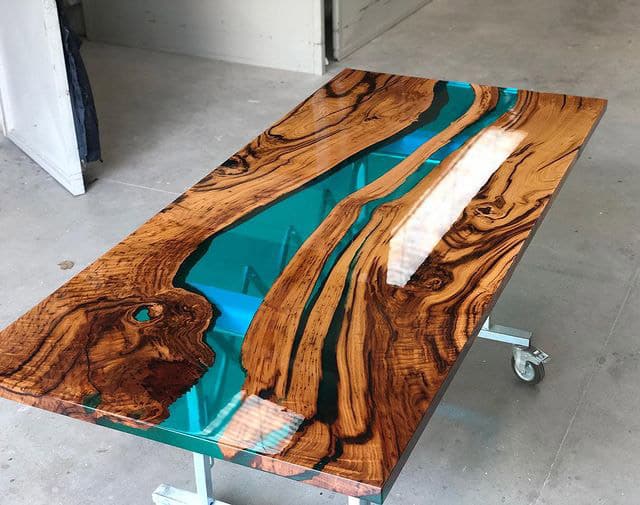
Resin opens endless creative opportunities for stage design, from realistic water features to abstract modern scenography. Mix resins with pigments, wood, or translucent elements to capture the exact mood your production demands.
Step 1: Prepare the Stage Structure
Planning is essential. Start by designing a clear template for your stage set, ensuring all measurements and forms match your theatrical requirements. Use robust wood or composite materials for the frame and structure, as they provide a stable base for resin pouring and reduce movement that can cause cracks. For any new or restored timber, apply a deep-penetrating wood sealer to protect against moisture and warping. This is particularly vital for sets reused or stored in variable environments. Sand the surface smoothly and clear away all dust before progressing.
For strengthening and waterproofing timber components, “EpoxyWood” – Wood Restoration Epoxy Resin for Deep Penetration and Waterproofing is effective at sealing and stabilising the wooden surfaces, ensuring your set stays rigid and resilient.
Step 2: Build and Seal the Mould or Formwork
Construct a reliable mould or containment system for resin pours. Use materials like melamine-coated board or acrylic sheets for the sides to help with later release. All joints should be tightly sealed with a quality silicone sealant to prevent leaks, especially if you are using deep pour epoxy. Anchor the frame to your main set structure securely.
If you need a kit that includes both resin and formwork sealing materials, the “River-Table” – Complete Kit for Creating Your First Epoxy Resin Table features silicone sealant and clear instructions, making the process approachable for all experience levels.
Step 3: Mix and Pour Resin for Your Set Elements
Measure your chosen epoxy resin carefully, mixing it according to the manufacturer’s guidance—proper ratios are vital for strength and clarity. For larger, transparent blocks, “Epoxytable 10-Ten” – Deep Pour Epoxy Resin for Tables, Up to 10cm Casting enables thick pours without excessive exotherm or bubbles. For moderate depth or detailed scenic elements, “EpoxyTable 5-Five” – Deep Pour Epoxy Resin for Tables and Large Projects – Up to 5cm offers long working time and strength.
Slowly pour the resin into your mould, working in layers if exceeding recommended thickness. Use a heat gun or torch lightly to remove surface bubbles. Leave each layer to cure undisturbed in a dust-free environment per product instructions.

Step 4: Demould and Finish the Set Pieces
Once the resin has fully cured, carefully demould your stage set elements. Sand any sharp edges and, if needed, polish the surfaces to achieve the desired gloss or matte effect. If you need to add colour or decorative effects, do so with compatible pigments between layers or as a surface treatment, testing on a sample first to ensure compatibility and durability. For complex finishing, select kits that include polishing supplies to streamline this stage.
Install your resin elements securely onto the main stage set, ensuring all fastenings are hidden or blended into the scenic design. Inspect thoroughly for structural integrity before moving the set to the stage.

Tips and Common Pitfalls
- Plan your set structure thoroughly before pouring resin: Rushed preparation can cause leaks, uneven surfaces, or resin wastage.
- Always use personal protective equipment and work in a ventilated space: Epoxy resins are generally low odour, but safety is paramount.
- Allow proper curing time for each resin layer: Premature handling can lead to warping or surface imperfections.
- Test pigments and decorative effects on a sample first: Not all pigments react the same in deep pours; ensure the desired look before committing.
- For extra-large or exceptionally thick components, pour in stages rather than a single deep casting to avoid overheating and ensure proper cure.
Showcase: Finished Resin Stage Sets in Action
See how cured resin elements add depth and professionalism to stage shows—backlit panels, vibrant props, and durable platforms deliver strong visual impact. Browse completed stage resin projects for inspiration.

- “Epoxytable 10-Ten” – Deep Pour Epoxy Resin for Tables, Up to 10cm CastingPrice range: £33.85 through £334.85“Epoxytable 10-Ten” is an epoxy resin designed for creating deep pour tables and castings up to 10cm, suitable for detailed artistic projects.
- "EpoxyTable 5-Five" – Deep Pour Epoxy Resin for Tables and Large Projects – Up to 5cmPrice range: £16.85 through £1,099.85"EpoxyTable 5-Five" resin is designed for deep pour projects like tables, offering a clear, mechanically resistant surface with strong UV filters.
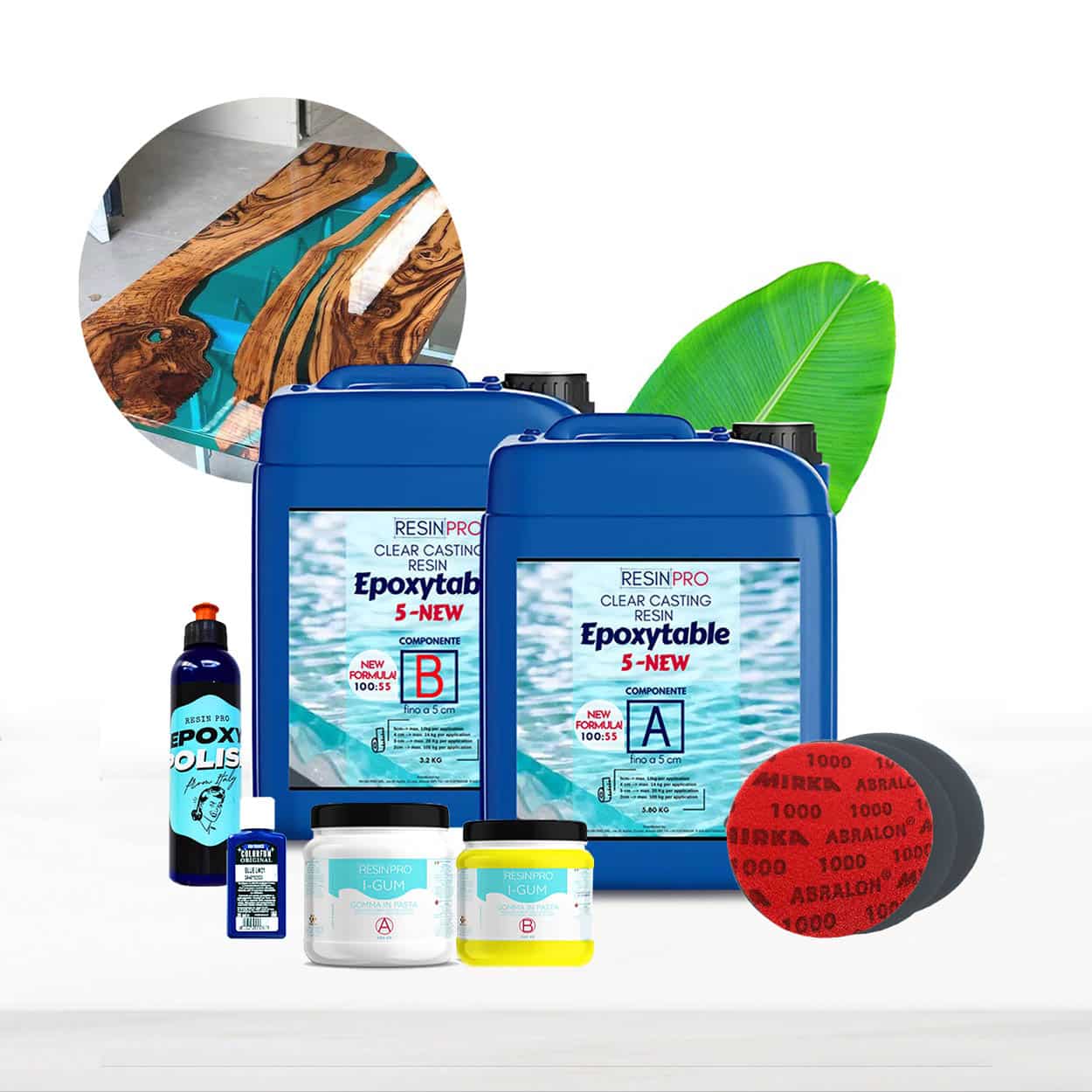 "River-Table" – Complete Kit for Creating Your First Epoxy Resin TablePrice range: £188.85 through £444.85"River-Table" kit provides materials and instructions to create wood and resin tables, suited for stage set building.
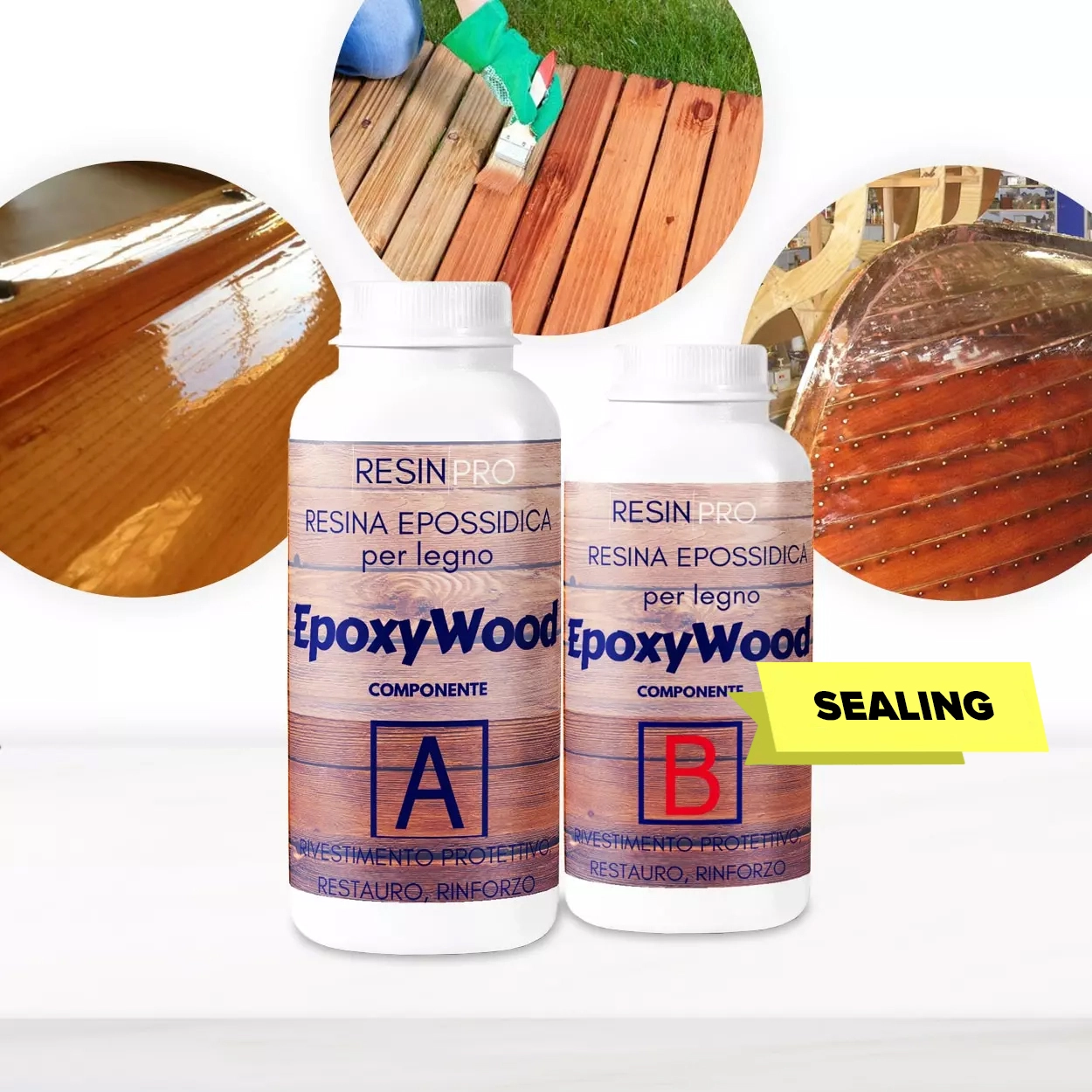 "EpoxyWood" – Wood Restoration Epoxy Resin for Deep Penetration and WaterproofingOriginal price was: £64.00.£39.85Current price is: £39.85."EpoxyWood" is designed for restoring and waterproofing wooden surfaces with a natural finish, suited to stage set construction.
Frequently Asked Questions
Which resin is suitable for thick casting in stage sets?
For thick casts up to 10cm, a deep pour resin like Epoxytable 10-Ten is recommended for clarity and durability.
Can beginners create stage sets with resin?
Yes, beginner-friendly kits provide both materials and step-by-step instructions to ensure a successful start.
How can I prevent bubbles or defects when pouring resin?
Mix resin slowly, pour in thin layers, and use a heat gun or torch gently to release trapped air for smooth results.
Is resin waterproof enough for stage set applications?
Yes, properly cured epoxy resins are fully waterproof and withstand stage and storage conditions efficiently.
Do I need to seal wood before pouring resin?
Sealing wood with a deep-penetrating epoxy helps prevent moisture issues and resin absorption, ensuring a strong bond.
Can I add pigment or effects to resin stage sets?
Yes, most resins accept compatible pigments and glitter. Always test effects on a small scale before full-stage application.